
Electric Hot Water Systems
Electric storage is the simplest, lowest-upfront way to get hot water — and on an off-peak tariff it can be surprisingly cheap to run. Here's when electric makes sense, what it costs, and when a heat-pump upgrade pays for itself.
When an electric hot water system makes sense
An electric hot water system heats a tank of water with an electric element. It's the cheapest type to buy and install, needs no gas connection, and is reliable and simple — which is why it's the most common system in Sydney homes.
The catch is running cost. A standard electric element uses a lot of power, so the tariff you run it on matters enormously — and for many homes, a heat pump now cuts that running cost dramatically for a similar footprint. We'll show you where electric still makes sense, and where an upgrade pays off.
See also: electric vs heat pump
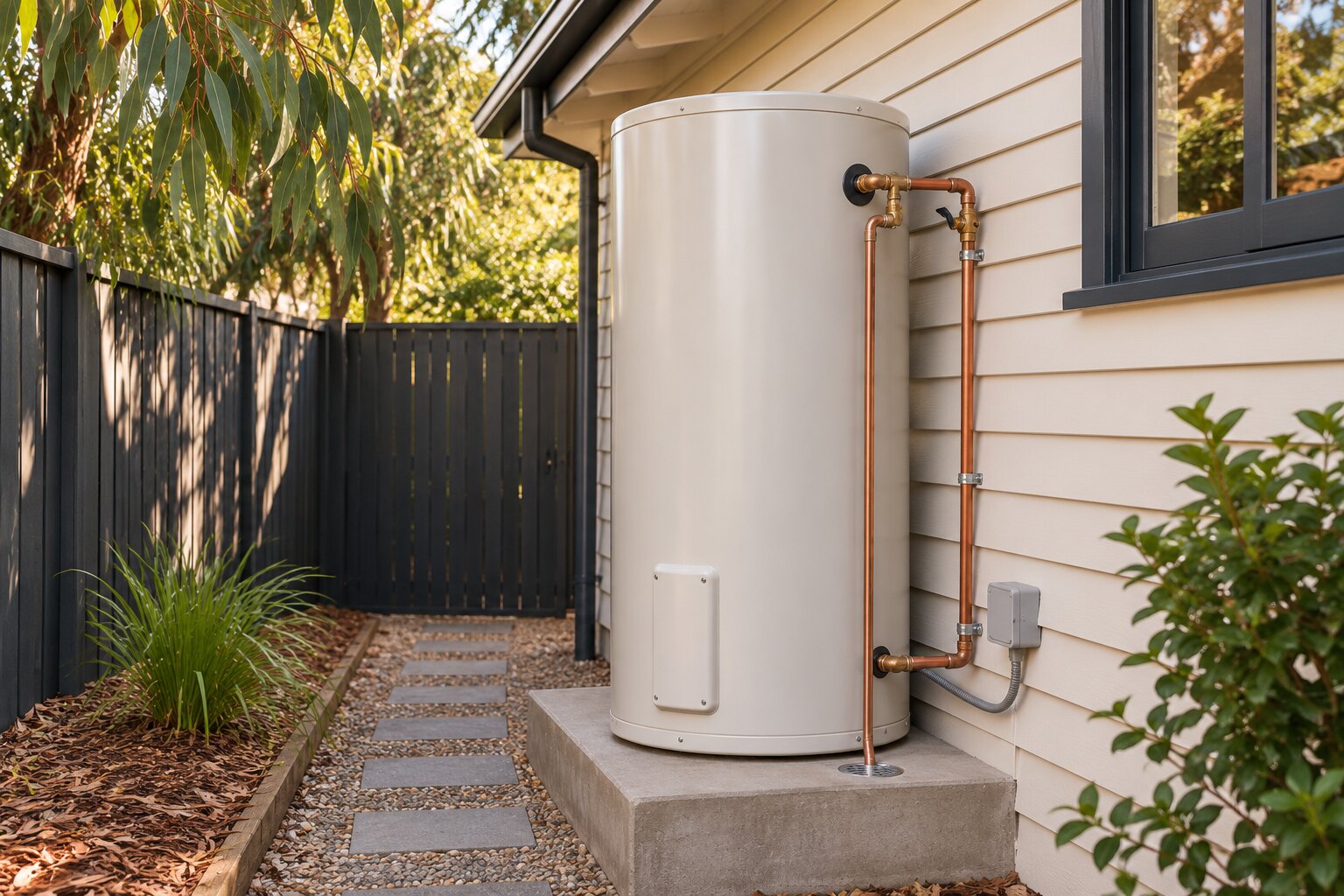
Off-peak, running costs and lifespan
Three things decide whether electric is the right call for your home.
Off-peak & continuous
Run on a controlled off peak tariff, an electric tank heats overnight on cheaper power — the most economical way to run electric. On continuous (peak) power it reheats any time but costs more. The right tariff depends on your tank size and usage.
Running costs
A standard electric element is cheap to buy but the most expensive common system to run on peak power. Off-peak softens that; a heat pump cuts it by roughly two-thirds. We give you the honest running-cost picture before you choose.
Lifespan
A quality electric storage system typically lasts around 8–12 years. Replacing the sacrificial anode during servicing is the single biggest thing that helps it reach the top of that range.
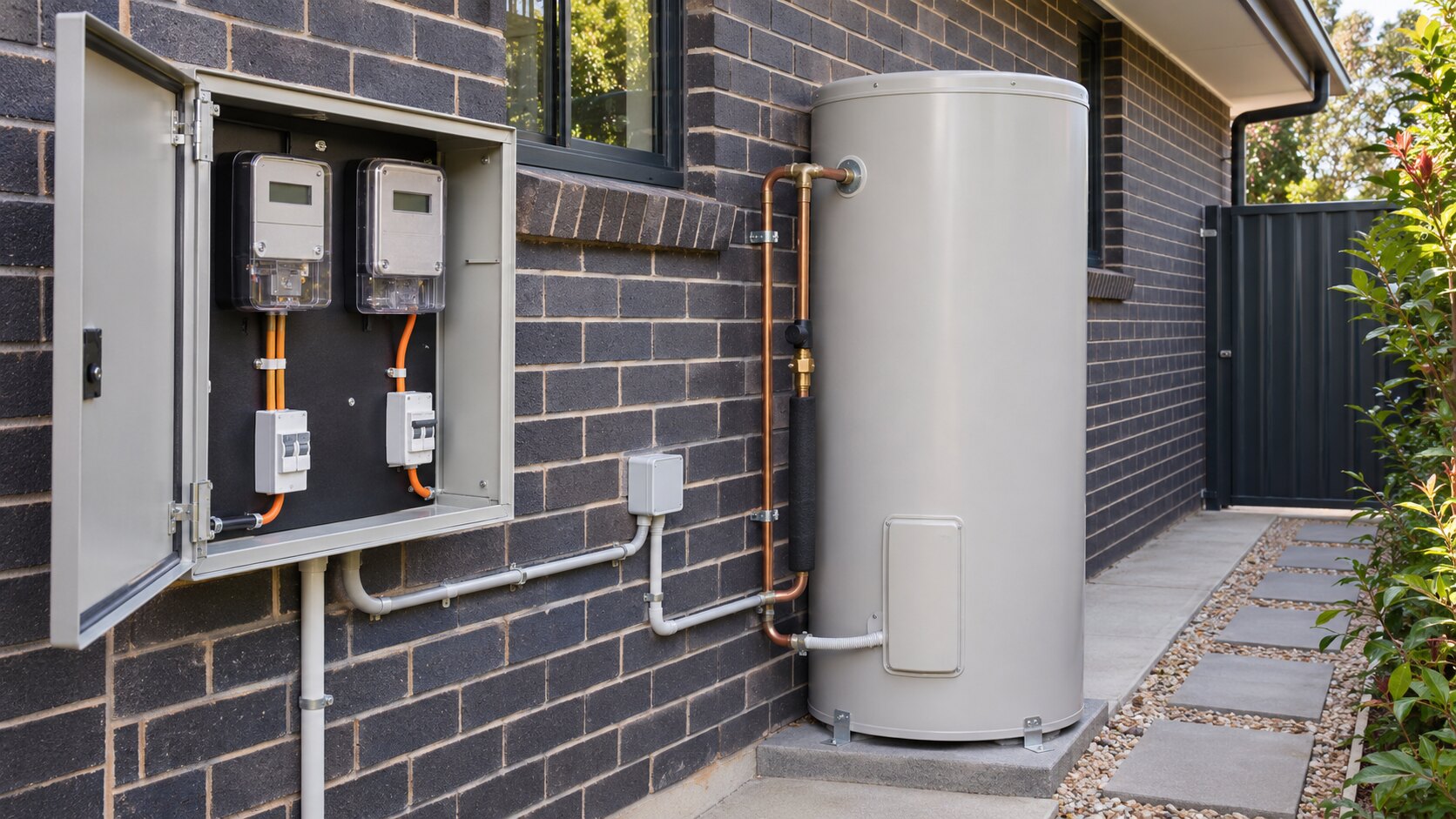
Stick with electric, or upgrade to a heat pump?
This is the choice worth pausing on — because a heat pump is still an electric system, just a far cheaper one to run, and rebates change the maths.
Stick with electric
- Lowest upfront price and a simple like-for-like swap.
- Makes sense on a tight budget, in a tricky spot with no airflow, or as a rental/quick replacement.
- Best running cost comes from an off-peak tariff.
Upgrade to a heat pump
- Uses about a third of the electricity for the same hot water.
- Government rebates cut the upfront price substantially — often to near the cost of a premium electric swap.
- Pays for itself over time through lower bills. We handle the rebate paperwork.
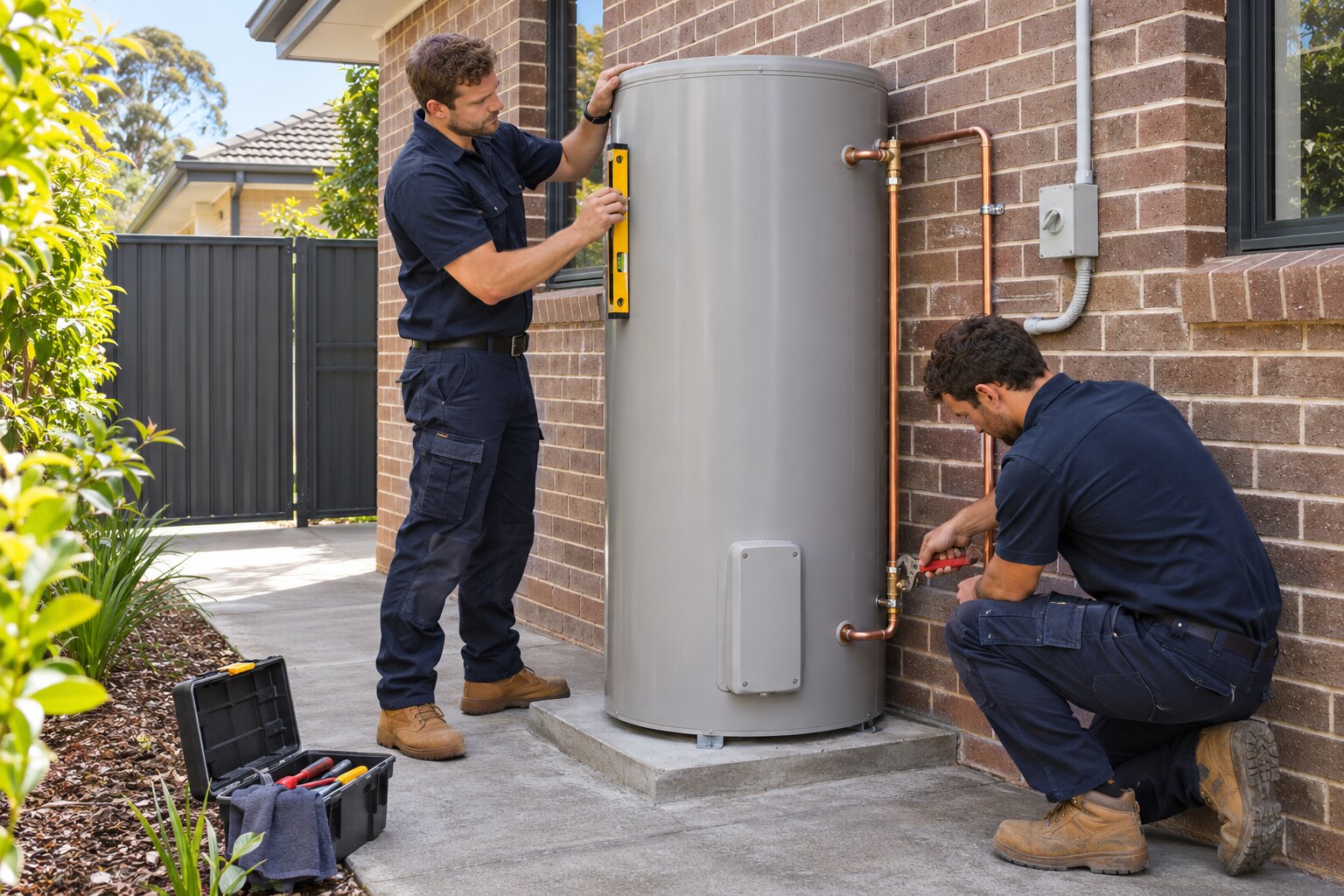
Upgrading from electric — start to finish
If a heat pump stacks up for your home, the upgrade is straightforward and we manage all of it.
We supply and install electric — and the upgrade path
Honest advice first — the cheapest system to buy isn't always the cheapest to own.
We supply and install electric hot water systems across Sydney, and we'll always give you the honest comparison: a straight electric replacement when that's the right call, or the heat-pump upgrade when the running-cost saving and rebate make it the smarter buy.
Pricing depends on the size, the tariff and your site, so we quote on what we can see and itemise it — the electric hot water system price, the install, and any extras shown separately. If you're weighing the upgrade, start with the rebate path; it changes the numbers more than most people expect.
Either way you deal with one team, we come to you, and the old unit goes away with us.
See also: upgrade & rebate · heat pump
Popular electric hot water systems
A selection of the electric hot water systems we supply and install across Sydney. Prices are for the unit — our licensed team quotes the install once we see the site.
-
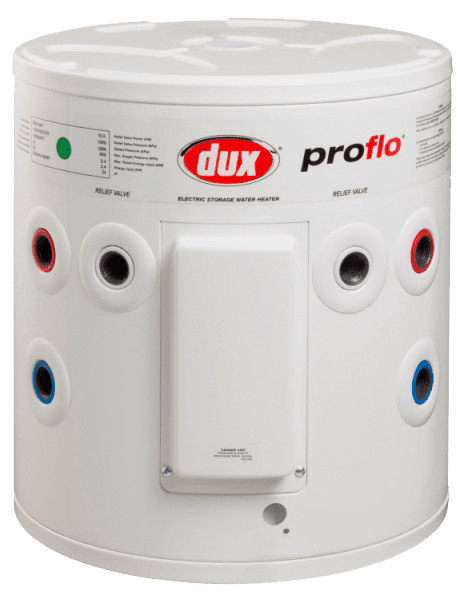 Electric Storage
Dux 25L Electric Hot Water System
From $480
View product
-
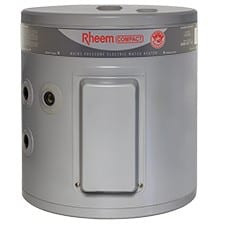 Electric Storage
Rheem Compact 25L Electric Hot Water System
From $655
View product
-
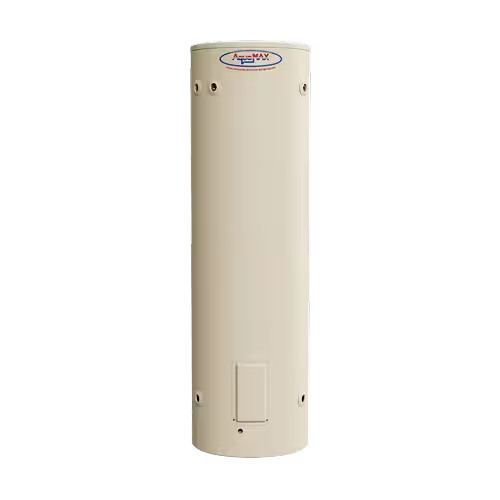 Electric Storage
Aquamax 160L Stainless Steel Electric Hot Water System
From $1,200
View product
-
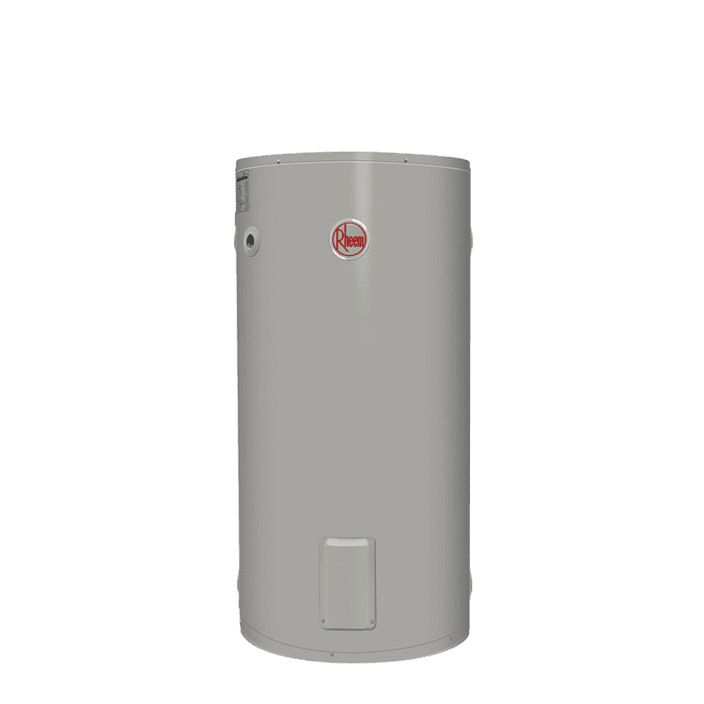 Electric Storage
Rheem 250L Electric Hot Water System
From $1,410
View product
-
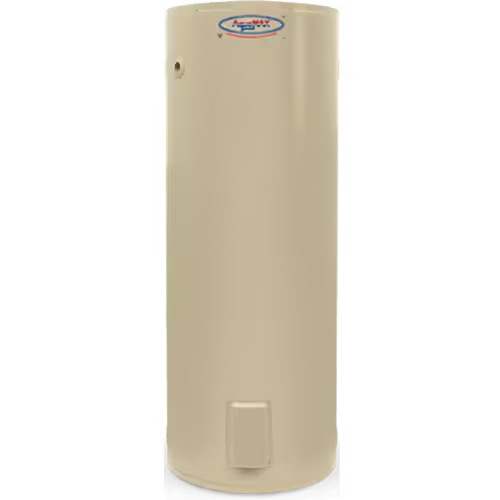 Electric Storage
Aquamax 400L Stainless Steel Electric Hot Water System
From $1,950
View product
-
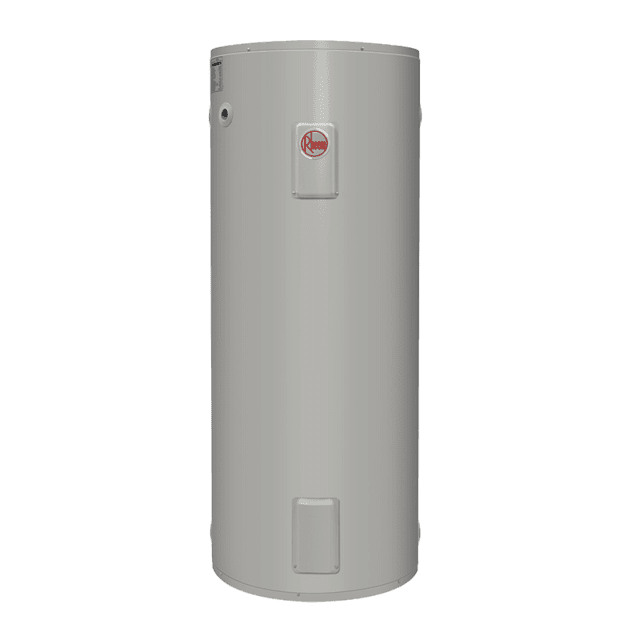 Electric Storage
Rheem 400L Electric Hot Water System, Twin Element
From $2,630
View product
Electric hot water questions, answered
The questions we're asked most when people choose or replace electric.
Is off-peak electric hot water cheaper?
How long does an electric hot water system last?
What size electric hot water system do I need?
Should I upgrade to a heat pump instead?
What does an electric hot water system cost installed?
Do you supply and install electric systems?
Get an electric hot water quote
We'll quote a straight electric swap and the heat-pump upgrade side by side, with rebates applied — so you can choose with the real numbers in front of you.