

Blog
Hot Water System Lifespans in 2026: Clear Signs Yours Is Nearing the End and What to Do Next

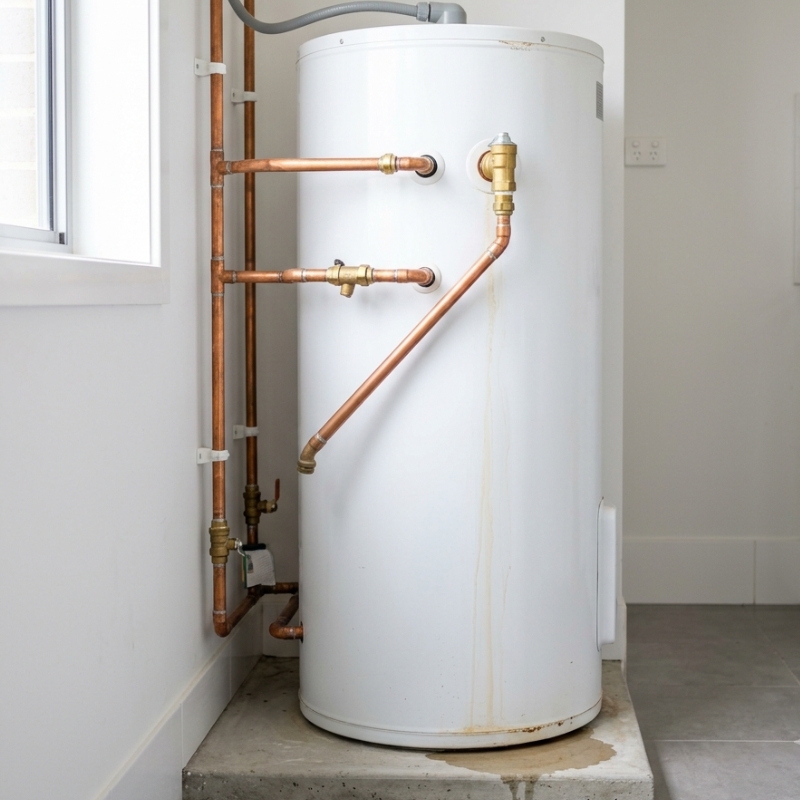
A reliable water heater rarely crosses anyone’s mind—until the shower runs cold on a winter morning. Knowing how long a unit usually lasts and recognising the early warning signs can save Sydney households both money and stress. Here’s a current, no-nonsense look at lifespans, symptoms and your best options moving forward.
Why Lifespan Varies
Several factors influence whether a system gives you eight years or stretches well past 15.
• Technology and build quality. Entry-level electric storage units are affordable but often built with lighter-duty tank linings and components. Premium stainless-steel or enamel-coated tanks resist corrosion for longer.
• Water chemistry. Sydney’s mains supply is classed as “soft to moderately hard”, yet pockets of higher mineral content exist in the west. Extra calcium speeds up scale build-up on elements and cylinders, shortening service life.
• Usage patterns. A household of six teenagers puts very different strain on a 250-litre tank than a couple in an apartment. Frequent draw-downs trigger more heating cycles, which accelerates wear on elements and gas burners.
• Maintenance history. Annual temperature-pressure relief (TPR) valve testing and anode rod replacement, where fitted, can add several years. Skipping those basic checks is the quickest way to invite tank corrosion.
• Installation quality. Incorrect pipework falls or lack of dielectric unions allow galvanic corrosion. Even the best unit fails early if installed poorly, so choosing the right hot water system size is only part of the process—professional installation is just as important.
With these variables in mind, the following ranges apply to most systems in 2026:
| System type | Typical service life in Sydney | Maintenance must-dos |
| Electric storage (mild-steel tank) | 8–12 years | Replace sacrificial anode every 5–6 years, test TPR valve annually |
| Gas storage | 8–12 years | Flush sediment yearly, inspect burner & flue |
| Continuous-flow gas | 12–15 years | Clean inlet filter, descale heat exchanger every 2–3 years |
| Heat-pump electric | 10–15 years | Wash evaporator coil yearly, check refrigerant charge |
| Roof-mounted solar with electric booster | 12–20 years (tanks on roof), 15+ for ground-mounted tank | Replace anodes, inspect collector seals, top up glycol if closed-loop |
If your unit sits close to the lower end of these brackets, start planning. Sudden tank bursts often coincide with the tenth birthday of a storage heater.
Early in the piece, consider bookmarking an installer’s hot water systems page so you can price replacements before the current one fails overnight.
Telltale End-of-Life Symptoms
Most heaters whisper before they scream. Pay attention to these common cues:
Draining hot water faster than normal
If your morning shower once lasted 10 minutes but now turns lukewarm halfway through, internal sediment may have reduced the effective tank volume or a damaged dip tube is mixing cold and hot prematurely.
New noises during heat cycles
Rumbling, popping or kettle-like sounds point to scale sitting on the element or the tank base. Once baked on, that scale acts as insulation, forcing higher element temperatures and hastening burnout.
Visible rust or discoloured water
Brownish tint from the hot tap suggests internal corrosion. Storage cylinders rust from the inside first; tinted water means the sacrificial anode is likely exhausted and tank metal is now dissolving.
Moisture or pooling at the base
A few drops from the TPR valve during heating are normal. Constant seepage from weld seams or around fittings, however, signals the tank wall has pin-holed. This rarely self-repairs and usually worsens quickly.
Unexplained energy bill jump
When insulation water-logs or scale blankets heating surfaces, the unit runs longer to hit setpoint. A 10–15 % spike in electricity or gas costs without other household changes raises suspicion.
Age sticker in double figures
Manufacturers print the date on the compliance plate. If that sticker reads 2014 or earlier, the unit is living on borrowed time even if it seems fine today.
Repair or Replace
Once a symptom appears, weigh repair feasibility against replacement value.
• Replaceable components include heating elements, thermostats, thermocouples, gas valves and TPR valves. Those parts cost far less than a full install and can breathe two to three more years into a mid-life unit.
• Irreversible issues are tank leaks, widespread rust or compressor failure on a heat pump out of warranty. Investing in a new cylinder or sealed refrigeration system rarely stacks up.
• Warranty status matters. Many tanks carry five- to ten-year cylinder warranties but only one-year labour coverage. If parts are free but labour costs approach half the price of a new unit, replacement still makes economic sense.
• Energy efficiency upgrades pay back faster than before. A 2026 five-star continuous-flow gas heater can trim annual gas spend by roughly a quarter compared with a 2012 three-star model. Electric heat pumps do even better when paired with rooftop solar PV.
Use the table below as a broad rule of thumb:
| Symptom | Likely fix | When to replace instead |
| Single failed element on dual-element electric | Swap element & thermostat | If unit >10 yrs or internal rust evident |
| TPR valve dripping intermittently | Replace valve, check pressure | If rust staining visible outside tank |
| Scale noise, longer heat cycles | Flush tank, descale element | If noise returns within months or unit >9 yrs |
| Rusty water, pin-hole leak | Technically possible to weld small spots | Risky; most welds fail soon – replace |
| Compressor on heat pump noisy, low output | Check refrigerant, replace fan motor | If out of warranty or gas leak in coils |
Next Steps for Sydney Households
- Confirm the unit age. Read the compliance plate or serial label—manufacturers often code the date into the first four digits.
- Book a licensed plumber or electrician for a 10-minute TPR valve lift test and visual check. Catching small leaks early may buy precious months.
- Compare like-for-like replacements before urgency strikes. Decide whether you’ll stick with storage or shift to continuous-flow or heat-pump technology. Consider footprint, gas line sizing and switchboard capacity now, not after the tank bursts at midnight.
- Review NSW rebates. At the time of writing, Sydney homeowners can claim Energy Savings Scheme discounts on approved heat-pump upgrades. Eligibility shifts, so confirm on the Energy.gov.au hot water guide before committing.
- Schedule work outside peak periods. Week-of-Christmas emergencies cost more; a planned February changeover often comes with off-season pricing.
- Dispose responsibly. Old tanks contain steel, copper and insulation that can be recycled. Ask your installer if salvage is included or arrange a scrap-metal pickup yourself.
A timely system change isn’t just about avoiding cold showers. Modern heaters slash running costs, improve safety through precise temperature control and cut greenhouse emissions. Think of replacement as an upgrade rather than a grudge purchase, and you’ll appreciate the difference every time the hot tap turns on.
Sydney’s mix of soft water and temperate climate gifts most households a solid decade of service from a mainstream unit. Keep an eye on the symptoms above, stay proactive with annual check-ins and you’ll avoid the sudden scramble for hot water on a Sunday night.