

Blog
Is Switching to an Electric Hot Water System in 2026 Still the Smartest Move for Sydney Homes?

Why Electric Keeps Holding Its Own
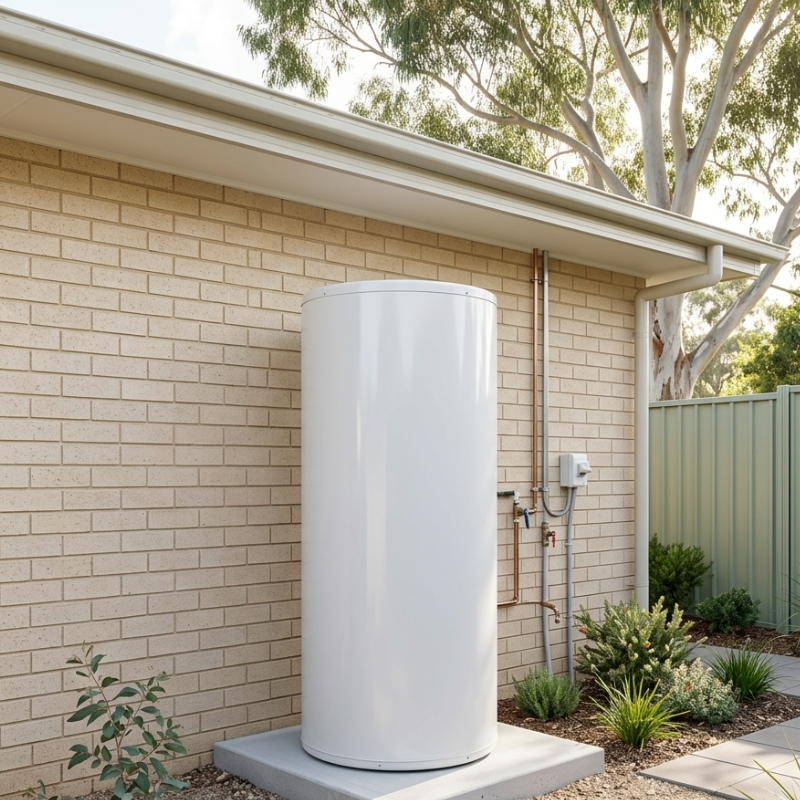
Sydney’s housing stock is a patchwork. Terrace homes, post-war fibro, sleek new apartments. Across that whole mix, electric storage tanks stay the default in a lot of bathrooms and laundries, and it’s because they suit three local realities: dependable mains power, a compact footprint, and maintenance that doesn’t need a specialist. A modern 250 L unit will often slide straight into the space a thirty-year-old tank vacated, re-using the plumbing and wiring already sitting there. That keeps the upfront cost contained and shortens the downtime when the old cylinder finally rusts through.
There’s a buyer psychology factor too, and nobody talks about it much. A household whose heater died at 7 pm on a Thursday wants hot showers back by morning. Not a week-long hunt for rebates and specialist installers. Suppliers keep electric units in stock precisely for that emergency swap-out. If you need fast relief, browsing the available electric hot water systems gives you an off-the-shelf answer a licensed plumber can fit tomorrow.
Running Costs in a Shifting Energy Market
The long-standing criticism of electric storage is its appetite for kilowatt-hours. Fair enough. But tariff reform and solar uptake have been nudging that equation in directions nobody quite expected.
| Scenario | Typical Tariff (c/kWh) | Estimated Annual Cost for 250 L Tank* |
| Standard anytime rate | 31 | $950 to $1,050 |
| Controlled load 1 (night-only) | 15 | $460 to $520 |
| Daytime solar self-consumption | 0 (export offset) | $0 to $200 in foregone feed-in credit |
*Indicative only. Actual bills vary with household size and usage habits.
A growing number of Sydneysiders run the heater on a controlled-load circuit that draws power in the small hours, when demand across the network is low. Others set the immersion element to fire in the afternoon while the rooftop PV is pumping, which effectively stores sunshine as hot water. Either strategy insulates the budget from peak-hour tariffs, and those have crept above 40 c/kWh in some network areas.
Heat-pump units trim consumption further. The better models cost two to three times more upfront, though, and some of them hum loudly against a shared wall. If you’re planning to sell inside five years, the payback on a heat-pump upgrade can still look marginal in 2026. That’s the situation where the advantages of electric water heaters come into focus: lower upfront cost and a simpler installation, which matters more when cash flow beats maximising long-term savings.
The 2026 Technology Updates Worth Knowing
Efficiency tweaks rarely make headlines. The 2026 generation of tanks landing in Australian warehouses has quietly closed several gaps anyway:
- High-density polyurethane foam insulation has pulled standby losses down. A well-insulated 250 L model now sits around 1.8 kWh a day, which is a real improvement on what the same tank was losing a few years back.
- Smart thermostats increasingly support demand response, so the network can nudge a heating cycle away from the tight evening peak without you noticing.
- Sacrificial anodes have improved, buying the inner glass lining a bit more protection before the first maintenance swap comes due.
None of it asks the homeowner to tinker. The set-and-forget appeal that made electric heaters popular last century is entirely intact. Just quieter now, and less wasteful.
Installation and Space Realities in Sydney Properties
A heat-pump or gas system may beat electric on running cost, but both want outdoor clearance, ventilation or flueing, and strata committees knock those back all the time. Plenty of Sydney apartments have the tank hidden in a hallway cupboard with a slot barely wider than the doorframe. Pull the old cylinder, push in the new one, and reconnect the flex conduit. Done before the school run.
Detached homes have more latitude, though even there, a small footprint counts when every square metre of backyard is a potential DA for a granny flat. An electric tank tucks under the eaves or beneath a deck without the structural work or the gas trenching the alternatives demand. That keeps the quote lighter, and it sidesteps the heritage-area headaches that Federation cottages in Newtown and Petersham run into.
When an Electric System May Not Be Right
Not every household should default to electric in 2026. A high-occupancy home running six or more showers a day can outpace the reheat rate of a single element. Families chasing net-zero credentials will usually prefer a heat pump matched to solar and a home battery.
Storm blackouts are worth being careful about because the conventional wisdom here is upside down. A gas continuous-flow unit is the worst thing you can own in an outage, not the best. It needs 240 V for its ignition, its flow sensors, its electronics and its fan, so the moment the power drops, you get nothing at all, instantly, and there’s no stored water to fall back on. An electric storage tank actually copes better. The element won’t reheat without power, but the cylinder is still full, and a well-insulated 250 L tank will keep that water usable for hours. The genuinely blackout-proof option is the old-style gas storage unit with a standing pilot light, because the pilot keeps burning regardless. Those are far less common now, and they burn gas around the clock to do it.
BASIX is the other consideration, and it’s the one that catches people out on new builds. In NSW, the BASIX energy target is measured in greenhouse terms, so an electric resistance tank carries a heavy load in that calculation. That’s the actual reason so many new homes end up with a heat pump, or with solar PV sized specifically to offset the tank. It’s not fashion. It’s the maths in the certificate. Check your BASIX certificate and your DA conditions before the plumber orders anything, because a last-minute scramble is an expensive way to learn this. Rebate pathways and current programs are set out on Energy NSW, and they change, so look them up rather than relying on what worked for someone last year.
Take-Home Points
Electric hot water stays a resilient choice for most Sydney homes in 2026, and here’s the short version of why:
- Units are readily available and go in fast, even in tight urban spaces.
- Controlled-load tariffs and solar timing can halve the running cost without a single piece of extra hardware.
- Better insulation and smart-grid features have trimmed the waste compared with tanks sold just a few years ago.
- In a blackout, you still have a tank full of hot water, which is more than a gas continuous-flow unit can say.
That said, households chasing the lowest possible carbon footprint, or juggling genuinely high demand, should weigh up a heat pump properly. As energy prices and rebate schemes keep moving, ask for a written quote that itemises both the upfront and the lifetime cost before you commit to anything.