

Blog
Gas Hot Water Safety Checks: Odour, Ventilation and Carbon Monoxide Risks Sydney Homeowners Can’t Ignore

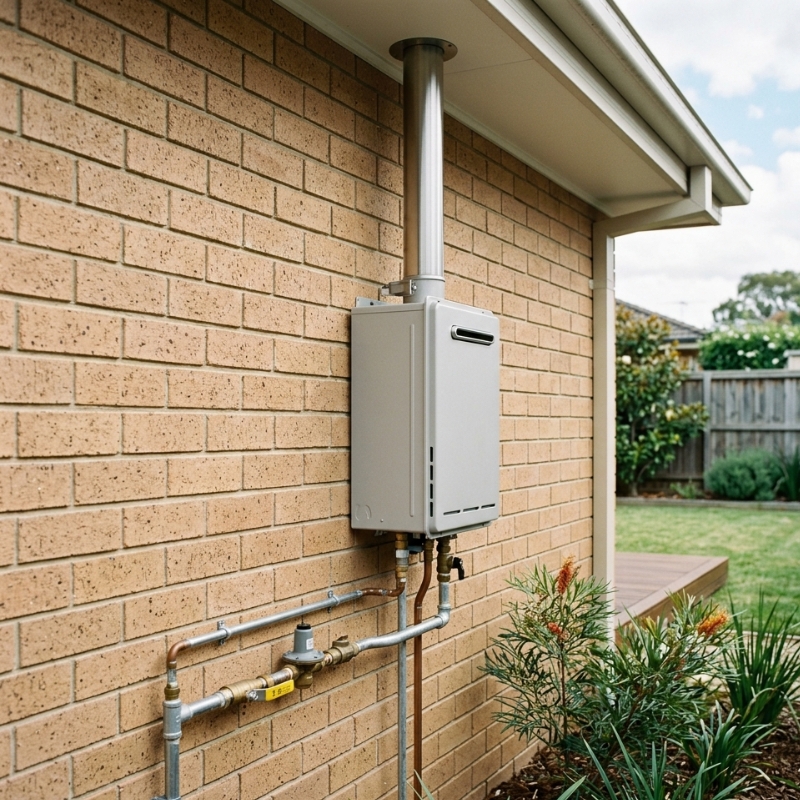
Every winter, Sydney plumbers field urgent calls from households that suddenly smell gas, notice soot marks, or feel dizzy after a hot shower. While modern gas hot water systems are generally reliable, they still rely on combustion. That means leaks, poor ventilation, or incomplete burning can pose serious health and safety hazards in any suburb—from Parramatta’s post-war brick homes to the tight terrace houses of Newtown.
Before panic sets in, a few simple safety checks can tell you whether it is safe to keep using the heater or it’s time to switch it off and get professional help. This guide walks you through practical ways to spot trouble early, explains why ventilation matters in Sydney’s varied housing stock, and outlines what to do if something looks or smells wrong. If at any point you suspect a serious fault, turn the unit off at the gas isolation valve and consider arranging professional support for gas hot water systems rather than risking DIY fixes.
1. Why Gas Hot Water Heaters Need Regular Safety Attention
Gas heaters burn natural gas to heat water. In an ideal burn, oxygen mixes with gas in the correct ratio, producing heat, water vapour, and only trace amounts of carbon dioxide. In the real world, blocked vents, wind back-drafts, or a failing burner can create incomplete combustion. That’s where odours, soot and, more worryingly, carbon monoxide (CO) can appear.
How Sydney Homes Amplify the Risk
- Older weatherboard or brick cottages in suburbs like Leichhardt may have gaps that let in draughts, disrupting the combustion airflow.
- Many inner-city renovations relocate the hot-water unit into a cupboard or under a deck, cutting down on natural ventilation.
- Apartment balconies in areas such as Rhodes often feature enclosed glass louvre systems that trap exhaust gases on still days.
2. Quick Smell Test: Identifying Odours You Should Never Ignore
Natural gas itself is odourless; suppliers add mercaptan to give it a “rotten-egg” smell. If that unmistakable stench appears around the hot-water unit, act fast.
Common odours and what they may signal:
| Odour Detected | Likely Cause | Immediate Action | Safe Next Step |
| Strong rotten-egg smell near the unit | Possible gas leak at connection or burner | Turn off gas isolation valve, open windows | Licensed gasfitter leak test |
| Faint gas smell only when unit is firing | Minor leak in burner assembly | Switch unit off, monitor | Arrange service before reuse |
| Burning or metallic smell | Dust or debris burning off vent | Let unit cool, clear debris | Clean vents, check flue for blockages |
| Oily or exhaust-type smell | Incomplete combustion creating CO | Switch off immediately | CO test, check burner & ventilation |
A brief sniff every time you walk past the heater sounds simplistic, yet many real-world failures are first detected by smell rather than alarms.
3. Ventilation 101: Give Combustion Air Somewhere to Go
Even the best-tuned burner will create combustion gases that must leave the property. Sydney’s mix of building styles means ventilation rules are not one-size-fits-all.
Basic Vent Rules
• Outdoor units still need clear airflow—avoid boxing them in behind lattice or storage.
• Indoor units must have a compliant flue that vents above the roofline; a draught diverter can stop wind gusts from blowing fumes back inside.
• Clearance distances apply around side-wall terminal vents; check for new walls, fences, or shrubs added after installation.
Local Council Compliance Quirks
Some councils, including the City of Sydney, require building approvals if you enclose a previously open utility space. Failing to update the ventilation design can breach the code and void your appliance warranty. Double-check paperwork before closing in a heater under a new deck or bifold patio.
4. Pilot Light and Flame Colour: What Your Eyes Can Tell You
A quick flame-colour inspection can reveal whether the burner is mixing gas and air correctly.
| Flame Appearance | What It Suggests | Recommended Action |
| Steady blue flame | Normal combustion | Monitor during routine checks |
| Blue core with yellow tips | Dust or minor blockage | Clean burner, re-check flame |
| Flickering yellow or orange | Poor air mix, potential CO | Turn off heater, check vents, book service |
| Flame lifting off burner | Excessive air or gas pressure | Professional pressure test needed |
If the pilot flame keeps going out on windy days, a wind-induced pilot outage can allow unburned gas to escape. Shielding or vent adjustments may be needed.
5. Carbon Monoxide: The Invisible Sydney Killer
Unlike the rotten-egg smell of mercaptan, CO is colourless and odourless. Symptoms of exposure—headache, nausea, dizziness—mimic flu or food poisoning.
CO Alarms: Placement Matters
• Install alarms on the wall at head height, not on the ceiling, because CO mixes evenly with air.
• Keep them within three metres of the heater if the unit is indoors or in a semi-enclosed space.
• In multi-storey homes, place an alarm on each level that has a bedroom.
According to NSW Fair Trading, licensed gasfitters must test for CO spillage whenever they service or install gas appliances. Ask for the printout or reading as proof.
6. Annual DIY Safety Checklist (5-Minute Walk-Around)
Regular licensed servicing is still essential, yet these simple checks between professional visits can flag issues early:
- Smell for gas before and after the burner fires.
- Look for soot, scorch marks, or rust near flue joints.
- Confirm the flame is steady blue without yellow flickers.
- Ensure ventilation grills are dust-free, not covered by storage boxes.
- Test the CO alarm by pressing its test button—replace batteries yearly.
- Check that the unit’s vent terminal is at least 500 mm from opening windows or doors.
- Ensure the pressure-relief valve pipe is not dripping onto flammable items.
- Verify unit clearance distances listed on the compliance plate.
Document any changes with photos; they help a plumber diagnose issues quickly. To ensure ongoing functionality, check out these tips for fixing a gas hot water heater if you experience issues.
7. Common Mistakes Sydney Residents Make (And How to Avoid Them)
- Storing paint tins and pool chemicals near the burner—fumes can corrode parts and create fire risks.
- Blocking the flue with a lattice screen to “tidy up” the yard—restricts exhaust flow.
- Ignoring a pilot that goes out once a fortnight—could be wind or a failing thermocouple creating gas build-up.
- Skipping the licensed service because “it still heats fine”—carbon poisoning often presents without obvious hot-water performance issues.
- Using flexible hose extensions meant for BBQs—non-compliant for fixed hot-water units and voids insurance.
For a deeper dive on general precautions beyond gas-specific issues, check out our article on water heater safety fundamentals.
8. Decision Framework: Monitor, Isolate, or Call a Pro?
When something feels off, deciding whether to simply keep an eye on it or reach for the phone can be stressful. The table below simplifies your next move:
| Symptom | Severity | Immediate Step | When to Call Licensed Gasfitter |
| Faint intermittent gas smell | Moderate | Turn unit off, ventilate, observe 30 min | If odour returns at next use |
| Soot marks on flue | Moderate | Photo documentation | Within 48 hr |
| CO alarm beeping once | High | Evacuate, turn gas off | Immediately |
| Pilot won’t stay lit | Moderate | Attempt relight once | Same day if failure persists |
| Yellow dancing flame | High | Turn off heater | Immediately |
| Visible rust holes in flue | High | Turn off heater | Immediately |
9. FAQs
1. Can I use soapy water to test for small gas leaks myself?
Yes, brushing soapy water on exposed joints can reveal bubbles that indicate a leak. However, only attempt this if the isolation valve is accessible and never tighten fittings yourself—call a licensed gasfitter for any repairs.
2. How often should a gas hot water system be professionally serviced in Sydney?
Most manufacturers recommend every 12 months. If your heater is outdoors and exposed to sea spray or bushfire ash, consider a six-monthly check.
3. Are carbon-monoxide alarms mandatory in NSW?
They are not legally mandatory in all homes, but they are strongly advised for any property with gas appliances, solid-fuel heaters, or attached garages. Rental properties must provide a safe living environment, so many landlords install alarms voluntarily.
4. I smell gas only on windy days. Could that still be dangerous?
Yes. Wind can extinguish the pilot or disturb the flue, causing unburned gas to escape or exhaust gases to blow back into the house. Treat any intermittent smell seriously.
5. Does turning the temperature down lower CO risk?
Not directly. Lowering the thermostat can save energy but does not fix combustion issues. If CO production is the concern, focus on burner condition, air supply and flue integrity.
Final Thoughts
A few minutes each month spent checking odours, flame colour and ventilation can prevent both mild inconveniences and life-threatening scenarios. When in doubt, isolating the gas and booking a licensed inspection is far cheaper than hospital bills or structural repairs from an undetected leak. Sydney’s building styles and coastal climate create unique challenges, but the core safety principles never change: fuel, air, exhaust and ongoing maintenance. Stay alert, document changes, and let experts handle repairs beyond basic observation. Your hot showers will feel all the better for it.