

Blog
Is Your Hot Water System Actually Broken? Quick 2026 Troubleshooting Steps for Sydney Homes

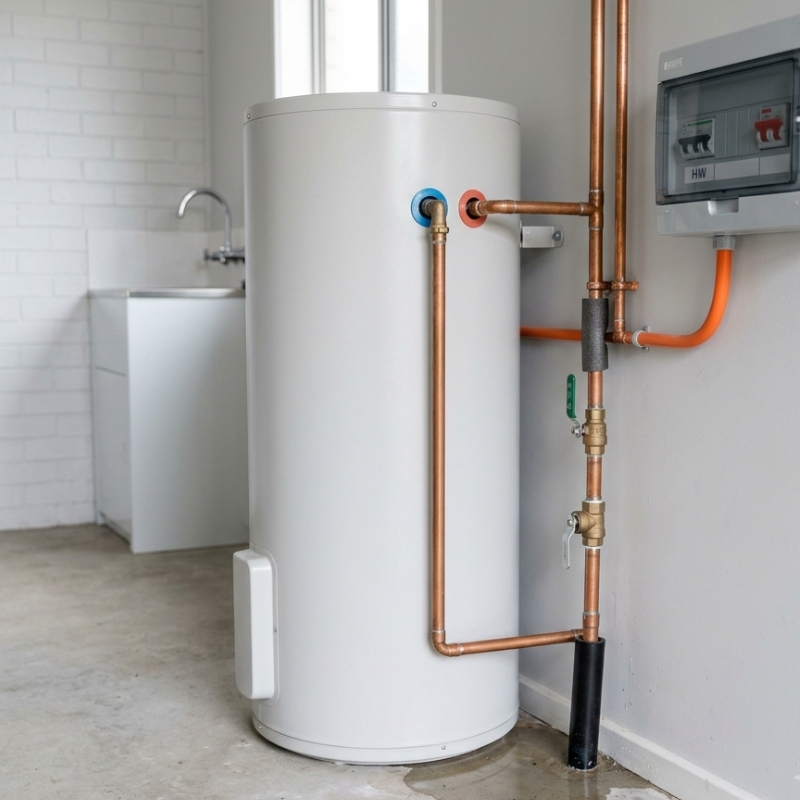
Cold showers in the middle of a Sydney winter are no fun, yet many heaters that appear “dead” only need a small adjustment. A careful home check can save time and restore comfort long before a plumber arrives. The advice below assumes basic safety: if you smell gas, see scorch marks, or the unit is sparking, step away and book professional hot water system repair in Sydney straight-away. For everything else, run through these practical tests first.
Common Symptoms and Their Likely Causes
Plumbers across NSW log the same handful of complaints. Recognising patterns narrows the search.
| Symptom | Likely Culprit | Homeowner Action | Risk Level |
| Water runs cold after a few minutes | Tripped thermostat, worn anode, or sediment build-up | Reset thermostat at the switchboard, flush a bucket of water from the tank drain-cock | Low |
| Pilot light won’t stay lit (gas units) | Blocked thermocouple or draft in the flue | Consult manual to relight, shield from wind temporarily | Moderate |
| Temperature fluctuates wildly | Mixing valve sticking or defective tempering valve | Exercise the valve handle to clear debris | Low |
| No hot water at all | Broken element, failed controller, or power outage | Check breaker, inspect for error codes | High |
| Brown or metallic water | Corroded anode rod | Schedule anode replacement | Moderate |
The “risk level” column reflects the chance of damage or injury if you delay repairs. High-risk issues justify immediate professional help, even if the tank still produces lukewarm water.
Quick Checks You Can Safely Perform
Sydney Hot Water Systems’ licensed team recommends a three-minute visual scan before touching tools or switches. Look for pooling water, corrosion streaks, or scorch marks. Any of those signs warrant shutting the unit down at the power isolation switch (electric) or gas cock (gas).
- Power and isolation switches
Most electric storage units sit on a dedicated circuit. Open the switchboard, locate the labelled breaker, and ensure it is set to ON. Rough surf storms sometimes trigger nuisance trips. - External temperature dial
Manufacturers ship heaters at 60 °C. DIY adjustments over time can creep lower, especially after renovations. Turn the dial clockwise in small increments, wait an hour, and check again. - Pressure-temperature relief (PTR) valve
Flip the lever for two seconds to force out a short burst of water. A steady trickle afterwards means the valve is stuck and wasting heat. - Sediment flush
Metropolitan mains carry fine sand that eventually settles at the tank base. Attach a garden hose to the drain-cock, direct it to a gully trap, and open until the flow turns clear. - Anode rod inspection
Storage cylinders rely on a sacrificial magnesium rod to prevent rust. If five years have passed since the last check, refer to the unit manual for the access point. Torque specs matter; avoid overtightening when refitting. A step-by-step guide sits in our piece on anode rod inspection.
Completing the list above fixes roughly one-third of call-outs Sydney Hot Water Systems attends every winter. It also supplies the technician with helpful background if further work is needed.
When a Licensed Plumber Becomes Essential
Some faults go beyond homeowner scope, especially with today’s hybrid heat-pump and solar-boosted units. Book a same-day visit if you notice any of the scenarios below.
• The pilot light extinguishes repeatedly despite a clean thermocouple.
• The PTR valve refuses to reseat, and scalding water drips down the side of the tank.
• Error codes persist after a controller reset.
• The tank is more than ten years old and rust spots have appeared.
• A circuit breaker trips immediately after you flip it back on.
Delaying professional work risks voiding the manufacturer’s warranty and, more importantly, can breach NSW plumbing regulations. Sydney Hot Water Systems holds both a full plumbing licence and a restricted electrical licence, enabling the crew to isolate equipment safely without calling two separate trades.
Preventive Maintenance Makes the Difference
Modern heaters last 8-12 years on average. Simple, low-cost routines can push that figure closer to 15.
• Annual PTR valve exercise prevents scale from locking the spring.
• Flushing two buckets of water every six months removes sand and clay that blanket elements.
• Replacing the sacrificial anode every five years costs a fraction of a new tank and keeps rust at bay.
• Installing a tempering valve upgrade maintains consistent 50 °C outlet temperature, reducing scald risk for children.
Sydney’s water sits around 63 mg/L hardness. While that ranks as “moderately soft”, pockets along the Georges River test higher. Homes on bore water need more frequent element inspections because mineral load accelerates scale formation.
The team at Sydney Hot Water Systems logs maintenance notes in a digital portal. Customers receive reminders when the next service interval approaches—no diary juggling required.
Keeping Hot Water Flowing
Addressing small glitches early spares households the shock of an emergency replacement. NSW Fair Trading lists water heater work that legally requires a qualified tradesperson, along with safety steps for owners. The full guidance sits under the NSW Fair Trading water heater safety guidelines. Cross-check the list before you pick up a wrench.
If basic resets and flushes fail to revive steady heat, line up a licensed plumber without delay. A swift diagnosis often turns a “broken” unit into a modest part swap, restoring comfortable showers and protecting the family budget.