

Blog
Is It Time to Replace Your Hot Water Unit? Signs Repair Won’t Cut It

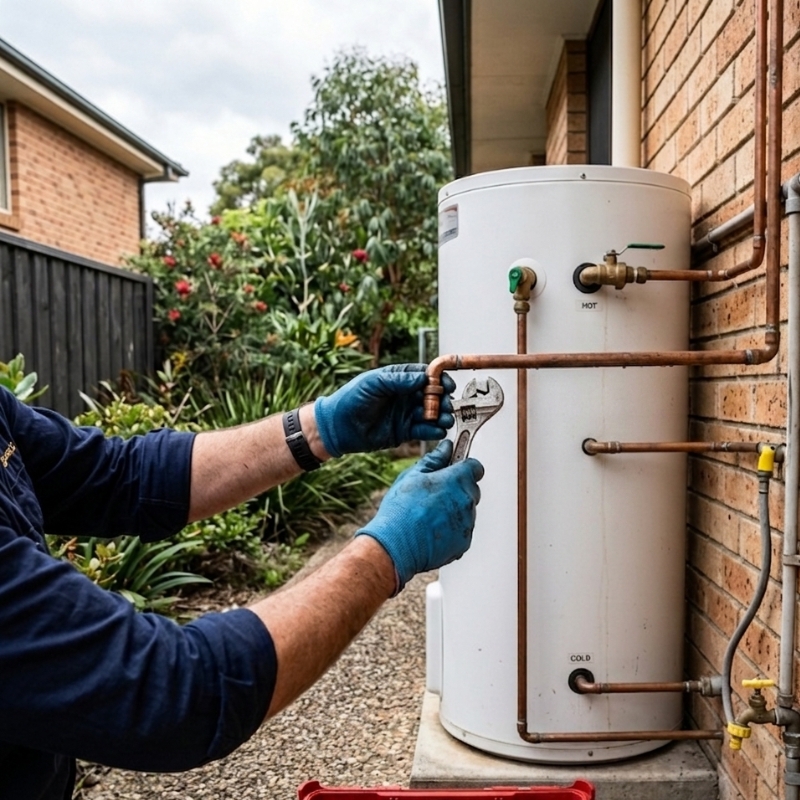
Hot water problems rarely arrive politely. One day everything’s fine, the next you’ve got lukewarm showers, odd noises from the unit, or a puddle you’re hoping is “just condensation”. In Sydney homes, hot water units often work hard year-round—busy households, fluctuating demand, and the reality that many systems don’t get looked at until something goes wrong.
The tricky part is knowing when you’re dealing with a repairable issue (a component that can be replaced or adjusted) versus the kind of fault that signals the unit is nearing the end of its useful life. This guide will help you make that call without guesswork, with practical signs, safety triggers, and a decision checklist you can use straight away.
First: what “repairable” usually means (and what it doesn’t)
A repair is generally worthwhile when:
• The problem is caused by a replaceable component (valves, ignition parts, thermostats, sensors, temperature control devices)
• The unit has been reliable up to now
• The fault is isolated (one issue, not a chain of issues)
• Parts are available, and the unit isn’t at the point where other failures are imminent
Replacement becomes more sensible when:
• The tank or core heat-exchange components are failing
• The unit is old enough that major failures are more likely than not
• Faults keep coming back, or multiple issues appear together
• Safety, compliance, or performance is compromised and cannot be restored economically
Quick answer
If the leak is coming from the tank itself, the water is persistently rusty, the unit keeps failing despite repairs, or it can’t maintain safe, stable temperatures, replacement is usually the smarter move. If the issue is limited to valves, ignition/controls, temperature regulation, or minor connections—and the unit isn’t near end-of-life—repair often makes sense.
Sydney safety first: when to stop troubleshooting and get help
Some symptoms aren’t “wait and see” problems.
Seek urgent professional help if you notice:
• Gas smell, hissing, or signs of scorching/sooting
• Water leaking heavily or pooling near electrical components
• Water coming out dangerously hot or fluctuating rapidly
• Repeated shutdowns, error codes, or extinguished pilot/ignition issues that recur
• Any signs of carbon monoxide risk (headaches, nausea, dizziness near an operating unit)
If you’re not sure, treat it as a safety issue until proven otherwise.
The decision checklist: repair vs replace in the real world
Below are the most common signs Sydney homeowners run into, what they often mean, and when they tend to tip the decision toward replacement.
Sign 1: A leak that isn’t just a loose fitting
Not all leaks are equal.
Often, repairable leaks include:
• Drips from threaded connections or unions
• Leaking valves (PTR valve, isolation valves)
• Seeping around fittings that need resealing/replacing
• Minor weeping that’s linked to pressure regulation issues
Often, “replace” leaks include:
• Water coming from the tank body itself
• Rusted-through casing or consistent pooling beneath the tank
• Ongoing leaks despite replacing valves/fittings
A tank leak is a major red flag because it’s typically corrosion-related. Once the tank wall has failed, you’re usually past the point of cost-effective repair.
Q&A: Is a leaking hot water unit always a replacement?
No. If it’s a valve, connection, or pressure-related issue, it can be repaired. But if the tank is leaking (not a fitting), replacement is commonly the only practical solution.
Sign 2: Rust-coloured water or metallic smell that won’t go away
Occasional discolouration can happen after water has been sitting (for example, after a holiday), but persistent rusty or brownish hot water is often a sign of internal corrosion.
What it can point to:
• Sacrificial anode deterioration (in storage tanks)
• Tank corrosion progressing
• Sediment build-up stirred by temperature changes or demand spikes
Sometimes replacing an anode and flushing sediment can extend life—if caught early. But if the discolouration is consistent, worsening, or accompanied by leaks/noises, it’s often a sign the tank is on borrowed time.
Q&A: Can I ignore rusty hot water if it still heats fine?
It’s risky to ignore. Rust often signals internal corrosion, which can progress to tank failure. It’s worth checking sooner rather than waiting for a rupture or major leak.
Sign 3: Loud banging, rumbling, or “kettle” noises
Noises are one of the most misunderstood symptoms. Many people assume “it’s just old” and put up with it—until the unit fails suddenly.
Common causes:
• Sediment build-up at the base of a storage tank
• Water boiling under sediment (“kettling”), creating popping/rumbling sounds
• Pressure fluctuations causing knocking in pipework
• Components vibrating due to wear or loose mounting
A flush and service can sometimes reduce noise. But if the noise is getting worse and the unit is older, sediment-related stress can accelerate wear and reduce efficiency.
Q&A: Is a noisy unit always near failure?
Not always, but it’s a meaningful warning sign. If noise is paired with inconsistent temperature, reduced capacity, or visible corrosion, replacement planning becomes more sensible.
Sign 4: Inconsistent hot water temperature (especially sudden swings)
Temperature swings can be more than annoying—they can be unsafe.
Possible causes that are often repairable:
• Faulty thermostat or sensor
• Ignition/control issues
• Temperature control device faults (like tempering valve issues)
• Flow-related problems in continuous flow units
When it leans toward replacement:
• The unit can’t hold stable temperatures even after component replacement
• Multiple components fail in a short period
• Performance is degrading alongside age-related symptoms (rust, noise, leaks)
In NSW, temperature control devices are a serious compliance and safety consideration for bathrooms. If you’re unsure how this should work in your home, the NSW Government has guidance oninstallation requirements of temperature control devices.
Sign 5: You’re running out of hot water faster than you used to
If the same household is using the same routines but hot water runs out early, something has changed.
Repairable possibilities:
• Thermostat calibration issues
• Heating element/burner performance issues
• Sediment reduces the effective storage capacity
• Temperature mixing problems (tempering device issues)
Replacement becomes more likely if:
• Recovery time is noticeably slower and keeps worsening
• The unit is old and undersized for current household needs
• Fixes only provide short-lived improvements
Q&A: What if we’ve added a bathroom, or more people are living here?
That’s a big factor. Sometimes the “fault” is simply that the unit is no longer suitable for demand. In that case, replacement isn’t just about age—it’s about correct capacity and performance.
Sign 6: Repairs are becoming frequent (or the same fault returns)
A single repair is normal. A pattern is not.
If you’ve had:
• Multiple call-outs in 12–24 months
• Repeated ignition/control faults
• Ongoing leaks from different points
• Multiple parts replaced with only temporary improvement
…that usually signals the unit is moving into a phase where each repair buys less time. This is when replacement planning often saves money and disruption overall.
A simple rule Sydney homeowners can use
If you’ve paid for two meaningful repairs and the unit still isn’t reliable, it’s usually time to shift from “fixing” to “planning”.
Sign 7: The unit is past its likely lifespan (or close to it)
Lifespan varies widely based on:
• Water quality
• Maintenance frequency
• Usage patterns
• Installation quality
• System type and components
Rather than relying on a single “magic number”, use lifespan as a weighting factor:
• If the unit is older and showing multiple symptoms (noise + rust + inefficiency), replacement is usually the rational choice
• If it’s older but has one isolated, clearly repairable fault, repair may still be worthwhile
Sign 8: You’re noticing efficiency drop-offs (higher bills, longer heat-up)
Efficiency issues can come from:
• Sediment build-up
• Worn components
• Poor combustion/heat exchange performance
• Temperature regulation problems
A service can sometimes restore performance. But if the unit is struggling to maintain output and other age signs are present, replacement tends to deliver better long-term reliability.
What you can safely check at home (and what you shouldn’t)
Safe homeowner checks:
• Look for visible drips at fittings (without touching hot surfaces)
• Note where water is pooling (under the tank vs a connection point)
• Listen for changes in noise frequency and intensity
• Track whether temperature swings happen at all taps or just one
• Check whether hot water issues are time-of-day related (morning peak vs steady use)
Avoid DIY actions that create risk:
• Don’t attempt gas adjustments or internal unit repairs
• Don’t ignore a suspected gas smell
• Don’t “crank up” temperatures to solve short hot water duration (can create scald risk)
• Don’t disconnect or bypass temperature control devices
Repair-friendly scenarios (where fixing often makes sense)
Repair is often worth it when:
• The unit has been reliable, and the issue is sudden and isolated
• The leak is from a valve or fitting, not the tank
• Temperature problems trace back to a tempering/thermostat component
• Ignition or control faults are identified, and parts are available
• The unit isn’t showing broader corrosion or repeated failures
If you’re researching what’s available as part of a forward plan (even while you repair), it can help to review things to consider before installing a gas hot water system.
Replace-now scenarios (where repair usually doesn’t stack up)
Replacement is usually the smarter move when:
• The tank is leaking or showing clear corrosion damage
• Rusty water is persistent and worsening
• Multiple faults have appeared close together
• The unit can’t maintain stable, safe temperatures even after servicing
• You’ve had repeat call-outs, and reliability is poor
• Parts are unavailable, or repairs are disproportionately expensive relative to remaining life
If you’re at this point, it’s still helpful to approach replacement logically—capacity, layout constraints, and household usage all matter. You can compare gas hot water unit options without turning the decision into a rushed emergency purchase.
Sydney-specific considerations that can influence your decision
Strata and apartment installs
If you live in an apartment or townhouse, replacement can involve approvals, access timing, and placement constraints. If reliability is dropping and the unit is older, proactive replacement planning can prevent a last-minute scramble.
Busy household timing
Sydney households often feel hot water problems most during the morning peak. If you’re already seeing reduced capacity and inconsistent temps, it’s usually a sign your system is struggling to keep up—whether due to faults, sizing, or age.
Planning to avoid downtime
If your unit is limping along, you’re often better off planning replacement on your timeline rather than waiting for a full failure. Even if you decide to repair today, knowing what you’ll replace it with later reduces stress. When you’re ready to compare models and formats, you can browse gas hot water systems to get a clearer sense of what’s on the market.
Decision guide: put it all together
If you want a simple way to decide, weigh these four factors:
1) Safety and compliance
If safety is questionable (gas smell, scalding temps, repeated shutdowns), prioritise professional assessment and lean toward replacement if stability can’t be restored.
2) Fault type
• Valves, controls, temperature regulation: often repairable
• Tank corrosion/leaks: often replacement
3) Reliability trend
One fault: likely repair.
Recurring faults: replacement planning.
4) Remaining useful life
If the unit is older and already showing multiple symptoms, replacement is usually more cost-effective than “repair roulette”.
Frequently asked questions
How do I know if my hot water unit needs replacing?
If you’re seeing a tank leak, persistent rusty water, worsening noises, repeated repairs, or unstable temperatures that can’t be fixed reliably, replacement is often the better choice.
What’s the biggest red flag that repair won’t cut it?
A leak from the tank body itself is the clearest sign. Once the tank wall is failing, repairs usually won’t provide a safe, lasting solution.
Is inconsistent temperature a repair or replace issue?
It depends on the cause. If it’s linked to thermostats, sensors, or temperature control devices, it may be repairable. If instability persists after proper diagnosis and component replacement—especially in an older unit—replacement becomes more likely.
Why does my hot water run out quickly?
Common reasons include thermostat issues, sediment reducing capacity, reduced heating performance, or increased household demand. A diagnostic service can usually pinpoint whether a repair will restore capacity or whether the unit is undersized/ageing out.
Are strange noises a reason to replace immediately?
Not always. Noise can be sediment build-up and may improve with servicing. But if noise is getting worse and you also have rust, reduced output, or leaks, it’s a strong indicator the unit is nearing the end of its life.
What should I do if my unit is leaking right now?
If it’s a heavy leak, switch off the power supply as appropriate, avoid contact with hot components, and seek urgent professional help. Even a small leak is worth checking promptly, because it can escalate quickly.