

Blog
Sydney Water Heater Lifespan: Warning Signs It’s Nearing End-of-Life

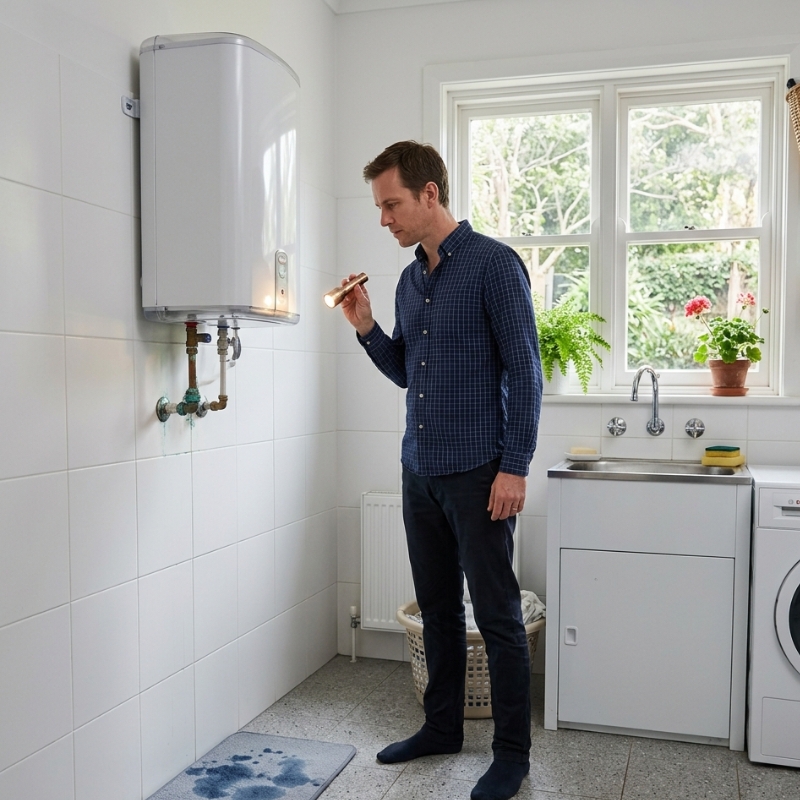
A water heater is one of those household essentials you barely think about… until the day it doesn’t do its job. In Sydney homes, hot water systems rarely fail without warning. Most units “talk” first: hot water doesn’t last as long, the temperature swings, you hear new noises during heat-up, or you spot dampness you can’t explain.
This guide will help you understand typical lifespans in Sydney, what makes units wear out faster, and the warning signs that suggest you’re nearing the end of life. The goal isn’t to panic or replace something early — it’s to recognise patterns, avoid water damage, and plan ahead instead of getting caught out.
How long do water heaters last in Sydney?
There’s no single magic number because lifespan depends on:
• the system type (storage tank vs continuous flow vs heat pump vs solar)
• household demand (number of people, long showers, laundry frequency)
• water characteristics and sediment build-up
• installation quality and ongoing maintenance
• how quickly small issues are dealt with
Typical lifespan ranges by type
Think of these as real-world ranges many households see, not “best case” marketing numbers:
• Storage tank (electric): often around 8–12 years
• Storage tank (gas): often around 8–12 years
• Continuous flow (instantaneous gas): commonly 12–20 years
• Heat pump: commonly 10–15 years (installation conditions make a big difference)
• Solar hot water (with storage tank): the tank often follows storage-tank ranges; collectors can last longer, while pumps/controllers may need attention earlier
A key point: with storage systems, the tank itself is often the limiting factor. Once internal corrosion starts, you can’t “un-rust” a tank wall — you can only slow the decline.
If you’re comparing types (or wondering what “efficient” looks like in Australia), the Australian Government’s overview of water heating options and efficiency considerations is a helpful baseline: Energy Rating water heating consumer information.
The age risk curve: when to start paying closer attention
Instead of asking, “How long will it last?” (no one can answer precisely), use age as a risk guide.
0–5 years: low risk (but not zero)
If a newer unit struggles, the cause is often something fixable:
• undersizing (not enough capacity for the household)
• a faulty thermostat or sensor
• installation issues affecting performance
• a valve or fitting problem
6–10 years: the watch-and-maintain window
This is when early warnings can show up:
• slower recovery time
• mild noises during heat cycles
• occasional temperature swings
• a small drip around valves or fittings
Early attention here can sometimes prevent bigger issues.
10+ years: plan-ahead territory
Once a unit is past about a decade (especially storage tanks), failure risk rises. Some will run longer, but the odds of tank corrosion or component wear increase. Planning ahead means:
• fewer emergency replacements
• less risk of water damage
• more control over the type and timing of a replacement
Warning sign 1: You’re running out of hot water faster
If hot water seems to “shrink” over time — shorter showers, less usable hot water for dishes, or longer recovery between uses — it’s a classic early warning.
Common causes include:
• sediment build-up reduces the effective tank volume
• a thermostat drifting out of calibration
• a heating element weakening (electric)
• burner/ignition issues (gas)
• a unit that’s always been too small for the home
Q&A: Does running out of hot water always mean end-of-life?
Not always. It can be a repairable issue — especially in a younger unit. The clue is whether other symptoms are also stacking up (noise, rust, leaks, temperature swings) and whether the unit is already in the 10+ year window.
If you’re trying to narrow it down without guessing, start with some hot water system troubleshooting steps and jot down what you notice.
Warning sign 2: rusty, brown, or metallic-smelling hot water
Discoloured hot water is one of the more concerning symptoms in storage tanks because it can signal internal corrosion or anode wear.
Possible causes:
• a deteriorating sacrificial anode rod (common in storage tanks)
• internal tank corrosion
• rust in the hot-water pipework (possible in older plumbing)
• sediment disturbance after periods of low use
A quick clue that helps:
• If only the hot tap runs rusty, the issue often points back to the heater or hot-water line.
• If both hot and cold are discoloured, it may be upstream (mains supply or plumbing).
Q&A: Is rusty hot water dangerous?
It’s usually more of a plumbing integrity and quality issue than an immediate “toxic” hazard, but it shouldn’t be ignored. Rust can stain, damage fixtures, and is often a sign the tank is deteriorating. If the tank is corroding internally, the likelihood of leaks and failure increases.
Warning sign 3: rumbling, popping, banging, or “kettling” noises
A tank that’s suddenly noisy is often telling you there’s sediment or scale built up at the bottom. When heat transfers through that layer, you can get popping and rumbling sounds — especially when the unit heats from cold.
Why it matters:
• reduced efficiency (more energy for less hot water)
• longer heat-up time
• more strain on components
• increased wear over time
Q&A: If it still heats, can I ignore the noises?
New or worsening noise is usually an early signal — not something to wait out. You may not need urgent action today, but you should treat it as a “check soon” symptom, particularly if the unit is older.
Warning sign 4: dampness, pooling water, or corrosion around the base
This is one of the most important homeowner-safe checks you can do.
Look for:
• rust streaks running down the tank
• corrosion around fittings
• bubbling/flaking paint near the bottom seam
• a consistent damp patch underneath (not just a one-off spill)
One critical distinction:
• leaks from valves or fittings may be repairable
• leaks from the tank body or base seam often mean the tank itself is failing
Q&A: Can a leaking tank be repaired?
If the tank body is leaking, it’s rarely a true “repair” situation. Valves and fittings can sometimes be replaced, but once the tank wall has corroded through, the underlying issue remains. That’s why dampness at the base of an older storage tank is a serious red flag.
If you see water near electrical components, power points, or extension cords, prioritise safety and avoid DIY investigation.
Warning sign 5: The pressure relief valve keeps discharging
Many storage tanks have a pressure and temperature relief valve (PTR). A small amount of discharge can happen occasionally, but persistent dripping or regular discharge isn’t something to brush off.
It may indicate:
• excess pressure in the system
• temperature control issues
• a failing valve
• expansion problems depending on the plumbing setup
Because this is a safety component, ongoing discharge should be checked by a licensed professional.
Warning sign 6: rising energy bills with no change in household use
If you haven’t changed your routine but you’re paying more to get the same hot water, efficiency may be dropping.
Common contributors:
• scale/sediment acting like insulation inside a tank
• ageing elements or thermostats
• burner inefficiency (gas)
• heat loss from degraded insulation or installation issues
This sign is strongest when paired with other symptoms like slow recovery or new noise.
Warning sign 7: temperature swings or “random cold bursts”
Hot-cold-hot shower cycles can point to different issues depending on system type, but it’s always worth attention.
Possible causes include:
• thermostat problems
• element faults (electric storage)
• flow-sensing issues (continuous flow)
• a tempering valve problem (mixing hot and cold for anti-scald control)
Temperature instability is annoying — but it can also become a safety concern if you start getting unexpected surges of very hot water.
Warning sign 8: recurring repairs or multiple small failures close together
One repair doesn’t automatically mean end-of-life. But when repairs start stacking up within a short period, it can be a sign the unit is entering its last phase — particularly if it’s already older.
A practical way to think about it:
• one-off repair + younger unit = often worth fixing
• recurring repairs + older unit = start planning replacement on your timeline
A homeowner-safe assessment checklist
You can collect useful clues without touching gas lines, electrical wiring, or dismantling anything.
1) Confirm the unit’s age
Look for a label or compliance plate showing manufacture date or a serial code. If you can’t decode it, take a clear photo of the plate so you have it ready when asking for advice.
2) Do a visual inspection
Check:
• rust streaks and corrosion
• dampness near the base
• water marks on the wall/floor behind the unit
• signs of slow leaks (swollen skirting, mouldy smells, stains)
3) Track performance changes for a week
Note:
• how long it takes for hot water to arrive
• whether hot water runs out
• whether the unit makes noise while heating
• whether you’ve had temperature swings
4) Keep a simple symptom timeline
Writing down “what changed and when” helps avoid guessing and makes diagnosis faster.
To help your unit last longer, build a simple routine around these hot water system maintenance tips and you’ll catch small issues before they become big ones.
Repair vs replace: how to time it without getting caught out
Most households end up replacing a heater in one of three ways:
1) Sudden failure
The downside is obvious: stress, disruption, and sometimes water damage. It also forces rushed decisions.
2) Gradual unreliability
This is the stage where hot water becomes inconsistent, noises get louder, and you start working around the system’s limits.
3) Proactive replacement
This is the calm option. If your unit is in the 10+ year window and warning signs are appearing, proactive replacement can mean:
• less disruption
• more control over system type and size
• lower risk of a tank leak escalating
Q&A: When should I replace it before it breaks?
If a storage tank is around 10–12+ years old and you’re seeing two or more of the following, planning a replacement is usually sensible:
• rusty hot water
• rumbling/popping noises
• corrosion or dampness around the base
• frequent relief valve discharge
• repeated component failures
• noticeably reduced hot water capacity
Planning your next system without making it a crisis decision
This blog is designed to help you make better calls under less stress — not to push you into a rushed replacement.
A good replacement decision usually matches:
• household size and peak demand
• energy source and running cost preferences
• space constraints and installation location
• efficiency goals (heat pump/solar can make sense in the right setup)
And if you’re weighing up what comes next, this guide to choosing the right hot water system for your home makes it easier to compare options without the panic of an emergency.
Common Sydney scenarios (and what they often mean)
“Rusty hot water happens only sometimes”
Often points to sediment being disturbed or early corrosion. If it’s becoming more frequent, treat it as a stronger end-of-life signal.
“It makes noise at night”
This can happen when the unit reheats during off-peak cycles or when demand drops. Noise during heat-up often points to sediment scale in storage tanks.
“There’s a puddle, but it comes and goes”
Intermittent leaks can be from valves or fittings that seep only under certain pressure conditions. But if the base seam is involved, it’s more serious.
“We’ve had a couple of repairs lately”
Multiple repairs close together can signal the unit is nearing the end of its economic life — especially if it’s already older.