

Blog
3 Silent Signs Your Water Heater Is Becoming a Safety Risk (And How to Respond Safely)

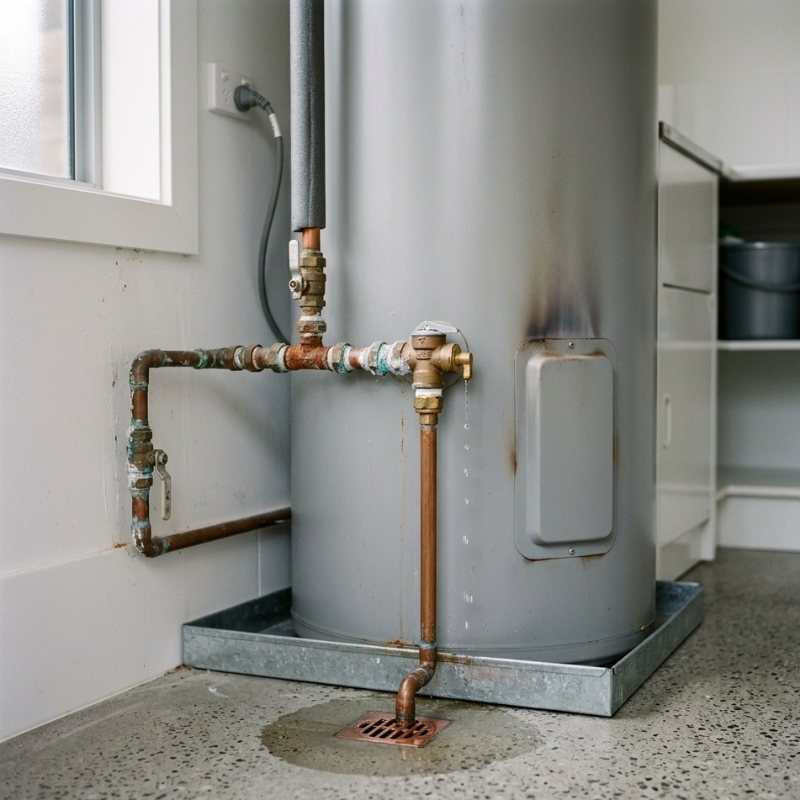
A reliable water heater seldom demands attention, so it is easy to miss the early danger signs hiding in plain sight. Yet a minor fault can quickly escalate into scalding water, gas leaks, electrical fires or even a burst tank. If you can spot the subtle clues early, you can arrange repairs before anyone gets hurt or left without hot showers. This guide unpacks three of the most common “quiet” red flags Sydney homeowners overlook, explains why they matter and outlines practical steps you can take yourself—plus when it is wiser to call professional hot water systems service.
Why Silent Safety Signs Matter More in Sydney
Sydney’s mix of hard water in many suburbs, salty coastal air and sudden temperature swings can speed up corrosion and mineral build-up inside storage tanks and pipework. Add in the city’s older housing stock, and a heater that looks fine on the outside can already be under pressure on the inside. Recognising low-key symptoms helps you:
- Prevent tank ruptures that can flood floors and walls
- Avoid scalding caused by faulty thermostats or stuck relief valves
- Reduce the risk of electrical shorts or gas leaks
- Extend the unit’s lifespan instead of facing an emergency replacement
Below are the three silent warning signs worth checking this weekend.
1. A Dripping or Weeping Temperature-Pressure Relief (TPR) Valve
The TPR valve is the small brass fitting usually found on the side or top of a storage tank. Its job is to release water if pressure or temperature climbs too high. A quick, occasional spurt during heating is normal. A slow, constant drip is not.
Why the Drip Deserves Attention
- Continual discharge means the valve is no longer sealing properly, so the tank may not be protected if pressure builds suddenly.
- The moisture can encourage rust around the fitting, weakening the tank wall.
- Leaked hot water wastes energy and may run down into electrical components.
Sydney’s water mains can fluctuate between roughly 350 kPa and 500 kPa. When outdoor temperatures drop, thermal expansion inside a closed system can push pressure higher again. A struggling relief valve may be the only clue your system is under stress.
Quick Checks You Can Do
- Place a small cup under the outlet pipe for an hour; more than a few tablespoons signals a problem.
- Look for rusty streaks or limescale around the valve body.
- Ensure the drain line is clear and terminates safely away from children’s play areas.
Safe Response Steps
- Test the valve – Lift the lever briefly to flush debris, then release. If the leak stops, monitor daily.
- Check system pressure – A licensed plumber can install a pressure-reducing valve if Sydney Water supply pressures are high in your street.
- Book a replacement – If dripping persists, arrange a new TPR valve; they are inexpensive compared with the cost of a ruptured tank.
2. Rust-Coloured or Metallic-Smelling Hot Water
When hot water coming from the tap looks brownish, smells like metal or leaves orange stains in the sink, corrosion is occurring somewhere between the tank and the outlet. It might be the sacrificial anode doing its job, or it could be the tank wall itself thinning dangerously.
Why This Quiet Clue Can Point to Bigger Trouble
• Corrosion thins steel walls, increasing the chance of sudden failure.
• Sediment and rust flakes can block mixing valves, leading to fluctuating temperatures.
• Bacteria can grow in stagnant, rusty water, creating odours and health concerns.
Inner-west suburbs such as Marrickville often report higher mineral content in water drawn from older pipes, accelerating internal corrosion. Apartments with infrequently used guest bathrooms can also see rust sit in lines for weeks before being noticed.
What to Inspect
- First-draw test – Fill two clear glasses: one with cold, one with hot. If only the hot water is discoloured, the issue is likely inside the heater.
- Filter screens – Check tap aerators and shower heads for orange grit.
- Anode age – Storage units should have their anode inspected roughly every 3–5 years.
Safe Response Steps
- Flush the tank – Sediment draining may improve clarity if the tank is still structurally sound.
- Replace the anode – A fresh magnesium or aluminium anode can slow further corrosion.
- Consider unit age – If your heater is 8–12 years old or older, a replacement may be safer and more cost-effective than repeated repairs.
3. The Circuit Breaker Trips or You Notice Scorch Marks Around Electrical Connections
Electric storage units and gas heaters with electronic ignition both rely on sound wiring. A tripping RCD (safety switch) or scorch marks on the access panel screws might seem like isolated nuisances, but they are genuine safety warnings.
Why These Electrical Hints Are Serious
• Water and electricity mix dangerously if an element seal is leaking.
• Loose wires increase resistance, creating heat that can start a fire behind the metal cover.
• Repeated trips can damage other appliances sharing the circuit.
Local regulations require water heater circuits in NSW to be protected by an RCD. If the device keeps cutting power, it is telling you a fault current is present.
DIY Observations (Do Not Remove Covers on Live Circuits)
- Smell test – A faint burning plastic smell near the unit is never normal.
- Visual check – From a safe distance, look for soot, melted insulation or water stains around the element cover.
- Pattern spotting – Does the breaker trip only when the heater cycles on? That timing indicates an element or thermostat issue.
Safe Response Steps
- Do not reset repeatedly – Three strikes is enough; further resets risk arcing faults.
- Switch off and isolate – Turn off the heater at the fuse box and water inlet if you see char marks.
- Call a licensed electrician-plumber – Dual-licensed trades can diagnose whether water ingress, a failing thermostat or wiring is to blame.
Comparison Table: Minor vs Serious Signs and What to Do Next
Understanding which observations call for monitoring versus urgent action can feel overwhelming. The table below gives a snapshot.
| Situation | What It May Mean | Suggested Next Step |
| TPR valve drips a few drops immediately after heating | Normal thermal expansion | Check again in 24 hours |
| Continuous TPR valve trickle | Valve failing, pressure issue | Replace valve and test system pressure |
| Slight tint in first few litres of hot water after holidays | Sediment settling | Flush tank and retest in one week |
| Rust-stained water every day | Internal corrosion | Inspect anode, consider unit replacement |
| One-off breaker trip during thunderstorm | External surge | Reset once and monitor |
| Breaker trips every heating cycle | Element or wiring fault | Isolate unit and book licensed repair |
While the left column signs might appear “quiet”, the right column shows how quickly they can escalate if ignored.
Mistakes Sydney Homeowners Should Avoid
- Ignoring small leaks – Even a teaspoon per hour can erode fittings and invite termites into damp timber framing.
- Over-tightening TPR drain caps – Caps are for hygiene, not pressure; overtightening can jam the valve.
- Resetting breakers repeatedly – Each reset stresses the contacts and masks underlying faults.
- Setting thermostats above 60 °C to “kill bacteria” – NSW guidelines advise 60 °C at the tank outlet for storage units, but higher settings amplify scald risk and pressure.
- Skipping annual visual inspections – A five-minute look can save thousands in water damage.
A Quick 5-Minute Safety Inspection Checklist
- Scan for Moisture – Run your hand around the tank base and pipe joints.
- Check the TPR Valve – Ensure the lever moves freely; look for stains down the overflow pipe.
- Inspect Electrical Panel – With power off, look for heat discolouration on screws or covers.
- Listen During Heat-Up – Occasional pops are fine; loud rumbling can mean heavy sediment.
- Smell for Gas – A faint sulphur odour near a gas unit requires immediate professional attention.
If anything feels off, turn off the power or gas supply and contact a qualified technician.
When DIY Checks Are Not Enough
Minor maintenance such as draining a few litres or testing the TPR lever, is usually within homeowner’s capabilities. However, NSW regulations require a licensed tradesperson for:
- Replacing the TPR valve or any pipework
- Installing or relocating a water heater
- Electrical element changes or thermostat replacements
- Gas line adjustments or leak repairs
For legal and insurance reasons, leaving regulated work to qualified professionals protects your household and keeps warranties valid.
The state’s official guidance on hot-water safety and licensing is outlined by NSW Fair Trading.
Further Reading on Safer Hot Water Maintenance
If you would like a broader safety overview covering temperature settings, child-safe bathroom design and carbon monoxide risks, see our in-depth guide on water heater safety tips.
Frequently Asked Questions
1. How often should I test the TPR valve on my hot water heater?
Most manufacturers suggest operating the lever every six months to ensure it is not seized. In areas with hard water, such as parts of Western Sydney, quarterly checks can stop mineral build-up from jamming the mechanism.
2. Is brown hot water always a sign that my tank is rusting through?
Not always. If the discolouration appears in both hot and cold taps, it could stem from street mains work. Run the tap for a few minutes; if only the hot line stays rusty, internal tank corrosion is more likely.
3. My electric water heater tripped once but seems fine now. Should I worry?
Isolated trips can occur after storms. Note the date and keep an eye out for repeat events during the next heating cycle. Recurrent trips, scorch smells or warm switchboards deserve immediate professional inspection.
4. Can I just cap a leaking TPR valve to stop the drip temporarily?
No. Blocking the discharge line can create an explosive pressure build-up. The valve must be repaired or replaced, never plugged.
5. What temperature should I set my storage hot water system for safety?
Australian standards require at least 60 °C inside the tank to control bacteria, while tempering valves should mix this down to around 50 °C at bathroom fixtures to prevent scalds.
Final Thoughts
Silent safety clues rarely stay silent for long. A slow drip, a hint of rust or an occasional breaker trip is your water heater asking for help. Catching those whispers early costs far less than emergency replacements, plaster repairs or hospital visits. Regular visual checks, prompt valve or anode replacements and professional inspections keep Sydney households enjoying reliable, safe hot water all year round.
If any of the warning signs in this guide sound familiar, arranging a qualified assessment before the next cold front rolls in can save stress and safeguard your home.