

Blog
Common Installation Mistakes That Shorten the Lifespan of Electric Hot Water Units in Sydney Homes

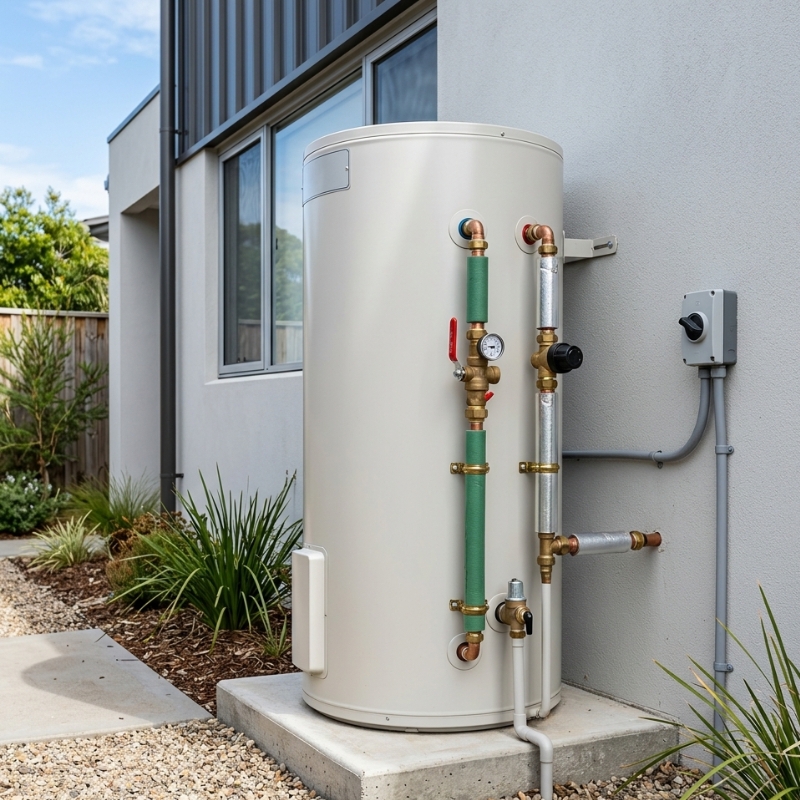
Having hot showers you can rely on starts long before you turn the tap. It begins with how well your electric hot water unit is installed. A brand-new system can still develop leaks, corrosion or burnout well before its expected 8–12-year life if key setup steps are skipped. To help you avoid that frustration, this guide unpacks the most common installation mistakes we see around Sydney, why they matter, and what you can do to sidestep them. If you are still researching which model to buy, our catalogue of quality electric hot water systems will give you a feel for the options available.
Why Correct Installation Matters for Electric Hot Water Longevity
A water heater is one of the hardest-working appliances in a home. It faces continual thermal expansion, internal corrosion, and electrical load cycling. A sloppy install magnifies every one of those stresses.
Warranty, Safety and Energy Efficiency Impacts
Manufacturers often make the warranty conditional on licensed installation and compliance with Australian Standards AS/NZS 3500. If a component fails because an isolating valve was missing or the thermostat was wired incorrectly, claiming a replacement becomes tricky. Safety is equally critical. Incorrect earthing or undersized cabling can turn the tank into a live hazard, while missing tempering valves can scald users.
Sydney’s Climate and Water Quality Factors
Sydney’s coastal climate brings salt-laden air that accelerates external tank corrosion, especially in suburbs closer to the sea. Some western pockets of the metro area also experience harder water, increasing scale inside the tank. Correct anode selection, pipe lagging and placement away from direct spray go a long way towards offsetting these local stressors.
Seven Costly Installation Mistakes We Still See in Sydney
Below are the missteps that most frequently shorten the life of electric units. Each one is avoidable with a bit of planning.
1. Wrong Tank Size and Location
Undersizing forces the element to cycle more often, hastening burnout. Oversizing means water sits warm for longer periods, creating more scaling opportunities. Positioning too far from bathrooms leads to heat loss down long pipes. A simple hot-water load calculation matching household size, peak-time demand and off-peak tariff window prevents these headaches.
2. Skipping Pressure-Limiting or Tempering Valves
Sydney mains pressure can top 500 kPa in some suburbs overnight. Without a pressure-limiting valve, the tank endures constant stress that stretches welds and seals. Equally, omitting a tempering valve encourages homeowners to lower the thermostat excessively for safety, which promotes bacteria growth. Both shortcuts chip months or years off system life.
3. Inadequate Electrical Circuit or Earthing
Sharing the heater circuit with power-hungry appliances or using undersized cable creates voltage drop. The element has to run longer to achieve the same heat, accelerating fatigue. Earthing errors can also pit the tank through stray current corrosion. A dedicated, correctly sized circuit recommended by a licensed electrician avoids these problems.
4. Ignoring Anode Access for Future Maintenance
The sacrificial anode rod is your first defence against internal rust. When installers tuck the tank into a cramped cupboard or ceiling cavity without clearance for future anode replacement, you effectively reduce the unit’s serviceable lifespan to the anode’s—often three to five years.
5. Poor Insulation Around Pipework
Exposed copper pipes radiate heat into roof voids and under-floor spaces. That continual loss means the thermostat cycles more often, creating wear and adding dollars to your power bill. Simple lagging material pays for itself quickly and keeps the element’s workload within design limits.
6. Incorrect Thermostat Settings from Day One
Setting the thermostat too high (above 70 °C) not only wastes energy but also speeds up mineral precipitation and element fatigue. Too low (below 60 °C) risks Legionella growth. A balanced 60–65 °C start point keeps bacteria at bay while limiting scaling.
7. DIY Install Without a Licensed Plumber-Electrician Team
Streaming video guides make installations look straightforward, but NSW regulations require a licensed plumber for water connections and a licensed electrician for hard-wiring. Working outside those rules can void insurance and lead to hidden mistakes that drastically shorten lifespan.
At-a-Glance: Mistake vs Impact vs Safer Approach
The table below sums up the core issues.
| Installation Mistake | Why It Shortens Lifespan | Safer Alternative |
| Undersized tank | Excessive element cycling, faster burnout | Calculate daily peak demand and choose capacity accordingly |
| No pressure-limiting valve | Constant high pressure stresses seals | Fit a 350 kPa valve on cold inlet |
| Shared power circuit | Voltage drop, longer heat cycles | Dedicated, correctly sized breaker and cable |
| Cramped location | No room for anode swap, trapped moisture | Allow 760 mm head-clearance and ventilation |
| Unlagged hot pipes | Ongoing heat loss, extra cycles | Insulate at least first 1–2 m of hot, cold and relief lines |
| Thermostat set >70 °C | Accelerated scale, element fatigue | Commission at 60–65 °C |
| DIY without licences | Hidden leaks, wiring faults, no warranty | Engage licensed professionals and keep compliance paperwork |
Local Issues That Can Accelerate Wear Even If the Install Looks Fine
Even a textbook installation can age prematurely if local risks are ignored.
• Hard Water Pockets: Suburbs such as Penrith and Blacktown often report higher mineral content, encouraging scale. A simple tempering valve flush routine or water softener can help.
• Coastal Salt Air: Bondi to Cronulla installations should consider colour-bonded outdoor enclosures and periodic rinsing to avoid external corrosion.
• Off-Peak Tariffs: Many Sydney homes use tariff 2 (10 pm–7 am). If the tank is undersized, it may reheat too frequently during expensive shoulder periods, adding unnecessary cycles.
For the official legal framework around temperature, pressure, and backflow devices, see the NSW Fair Trading guidelines.
Early Warning Signs Your New Unit Was Installed Poorly
Watch for these red flags in the first few months. Early intervention can save the tank.
| Early Sign | Likely Cause | Suggested Next Step |
| Relief valve drips constantly | No pressure-limiting valve or excessive mains pressure | Check pressure at garden tap, fit limiting valve |
| Water smells metallic | Anode already exhausted due to hard water | Inspect and replace anode sooner |
| Breaker trips during heating | Shared circuit or undersized cable | Have an electrician assess wiring load |
| Warm cupboard or walls | Unlagged pipes or thermostat too high | Add insulation, reset to 60–65 °C |
| Uneven water temperature | Incorrect thermostat placement | Re-site sensor under professional guidance |
If you notice two or more signs together, a licensed inspection is usually the safer next step.
DIY Checks vs When to Call a Licensed Tradie
Simple Monthly Visual Checks
• Look for moisture around the base and fittings.
• Test the relief valve for smooth operation.
• Confirm the circuit breaker hasn’t tripped.
• Listen for crackling noises that signal heavy scale.
Situations That Need Professional Assessment
• Any recurring breaker trip.
• Signs of rust around element cover plates.
• Temperature fluctuations despite stable thermostat settings.
• Valves or joints you can’t access safely.
Decision Framework: Repair, Reinstall or Upgrade?
Sometimes a flawed install only needs minor tweaks; other times replacement is cheaper than constant fixes. Weigh the age of the unit, cost of parts, and ongoing efficiency. For a deeper dive into planning, see our guide on factors to consider before a water heater installation.
Mistakes to Avoid Next Time You Replace a Unit
• Ordering the tank before confirming space and drainage points.
• Skipping a water quality test in hard-water suburbs.
• Ignoring off-peak tariff windows when sizing.
• Storing compliance paperwork separately from the user manual.
• Leaving no clearance for future anode swaps.
FAQs
1. Will a poor installation void my water heater warranty?
Usually yes. Most manufacturers require proof that a licensed plumber and electrician installed the unit to Australian Standards. If incorrect valves or wiring contribute to failure, warranty may be denied.
2. Can I install an electric hot water unit myself if I do the plumbing and call an electrician later?
NSW law treats the water and electrical connections as separate licensed tasks, but the complete commissioning still needs certification. DIY sections in between can leave you liable for leaks or electrical faults.
3. How often should I replace the sacrificial anode in Sydney?
In areas with moderate water hardness, three to five years is common. If you’re near the coast or have harder water, check annually after year three.
4. What size tank suits a family of four on off-peak tariff 2?
As a rule of thumb, 250–315 litres covers most families where reheating happens overnight. Exact size depends on shower habits, dishwasher use, and whether teenagers take long evening showers.
5. Does water hardness really matter for electric units?
Yes. Hard water causes scale on the heating element, forcing longer heat times and early element failure. A simple hardness test kit can tell you if a softener or more regular maintenance is worthwhile.
Final Thoughts
Correct installation sets the foundation for years of reliable hot water. By avoiding the seven mistakes outlined here, paying attention to Sydney-specific factors, and acting quickly on early warning signs, you can keep your electric unit running efficiently for its full design life. If issues persist or you’re unsure whether your system was set up correctly, a licensed inspection may save costly surprises later.