

Electric Hot Water System
Seeking a reliable electric hot water system in Sydney? Sydney Hot Water Systems provides installation, repair, and maintenance for both homeowners and businesses. Whether you need a new unit, emergency service, or regular maintenance, our licensed experts ensure reliable hot water year-round. With trusted brands, competitive electric hot water systems prices, and same-day service available, we’re Sydney’s go-to team for all things hot water.
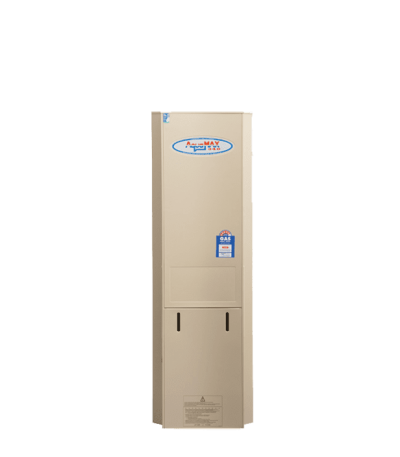
Aquamax 125L Stainless Steel Electric Storage Hot Water System
- 125 Litre hot water delivery
- 125 Litre stainless steel tank
- External and internal installation
- 10 Year cylinder warranty
Aquamax 160L Stainless Steel Electric Storage Hot Water System
- 160 Litre hot water delivery
- 160Litre stainless steel tank
- External and internal installation
- 10 Year cylinder warranty
Aquamax 250L Stainless Steel Electric Storage Hot Water System
- 250 Litre hot water storage
- 250 Litre stainless steel tank
- External and internal installation
- Model No 991250
- Dimensions Height 1395mm width 640mm
- 10 Year cylinder warranty
Aquamax 250L Stainless Steel Electric Storage Hot Water System Twin Element
- 250 Litre hot water storage
- 250 Litre stainless steel tank
- Twin Element
- External and internal installation
- Model No 992250
- Dimensions Height 1395mm width 640mm
- 10 Year cylinder warranty
Aquamax 315L Stainless Steel Electric Storage Hot Water System
- 315 Litre hot water storage
- 315 Litre stainless steel tank
- External and internal installation
- Model No 991315
- Dimensions Height 1640mm width 640mm
- 10 Year cylinder warranty
Aquamax 315L Stainless Steel Electric Storage Hot Water System Twin Element
- 315 Litre hot water storage
- 315 Litre stainless steel tank
- Twin Element
- External and internal installation
- Model No 992315
- Dimensions Height 1640mm width 640mm
- 10 Year cylinder warranty
Aquamax 400L Stainless Steel Electric Storage Hot Water System
- 400 Litre hot water storage
- 400 Litre stainless steel tank
- External and internal installation
- Model No 991400
- Dimensions Height 1840mm width 690mm
- 10 Year cylinder warranty
Aquamax 400L Stainless Steel Electric Storage Hot Water System Twin Element
- 400 Litre hot water storage
- 400 Litre stainless steel tank
- Twin Element
- External and internal installation
- Model No 992400
- Dimensions Height 1840mm width 690mm
- 10 Year cylinder warranty
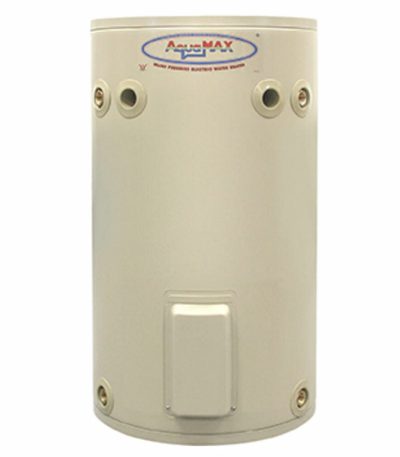
Aquamax 80L Stainless Steel Electric Storage Hot Water System
- 80 Litre hot water delivery
- 80 Litre stainless steel tank
- External and internal installation
- 10 Year cylinder warranty
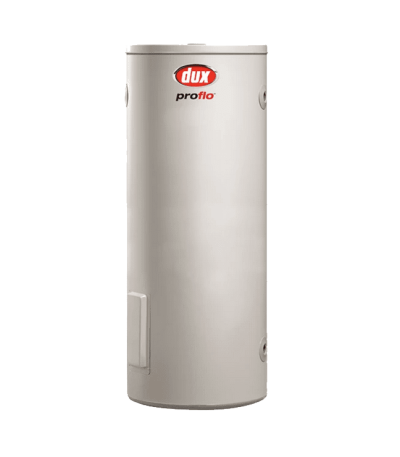
Dux 160L 3.6kW ProFlo Electric Hot Water System – Single Element
- Low maintenance and long service life
- Hard-wearing, tough polymer base resists damage and moisture
- Larger anode to increase tank life
- Features durable Y class commercial grade enamel
- 10 years tank warranty, 1 year parts and labour warranty
Dux 250L 3.6kW ProFlo Electric Hot Water System – Single Element
- Low maintenance and long service life
- Hard-wearing, tough polymer base resists damage and moisture
- Larger anode to increase tank life
- Features durable Y class commercial grade enamel
- 10 years tank warranty, 1 year parts and labour warranty
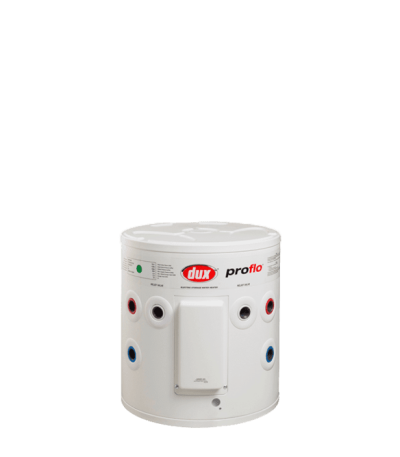
Dux 25L 2.4kW ProFlo Electric Hot Water System – Single Element
- Very Compact Profile
- Low maintenance and long service life
- Hard-wearing, tough polymer base resists damage and moisture
- Larger anode to increase tank life
- Features durable Y class commercial grade enamel
- 10 years tank warranty, 1 year parts and labour warranty
Trusted Brands of Electric Hot Water Systems
We supply and service all major brands of hot water systems electric, giving Sydney homeowners and businesses the freedom to choose the right unit for their needs. Our trusted range includes Rheem electric hot water systems known for durability, Rinnai electric hot water system models with sleek and efficient designs, Dux electric hot water system options built for reliability, and the Thermann electric hot water system, which offers affordable, energy-conscious performance.
We supply and service all major brands of hot water systems electric, giving Sydney homeowners and businesses the freedom to choose the right unit for their needs. Our trusted range includes Rheem electric hot water systems known for durability, Rinnai electric hot water system models with sleek and efficient designs, Dux electric hot water system options built for reliability, and the Thermann electric hot water system, which offers affordable, energy-conscious performance. Together, these options allow us to deliver cost-effective water heating solutions tailored to every household or business.
Leading Hot Water System Electric Options
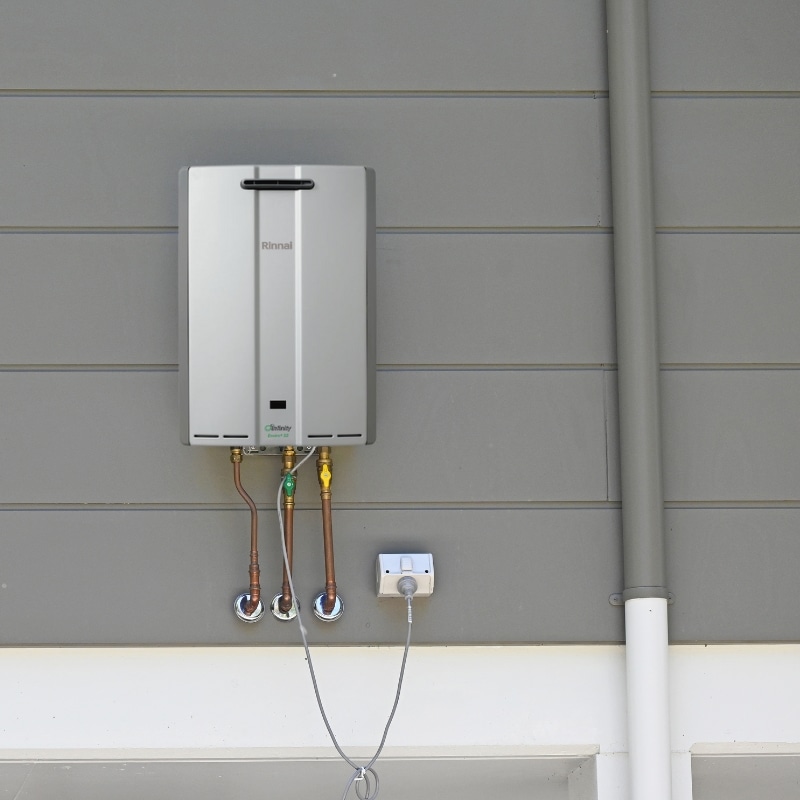
When selecting a hot water system electric, the goal is consistent performance without inflated running costs. Popular choices include electric instant hot water systems for smaller households that require hot water on demand, large-capacity storage systems ideal for families or businesses, and continuous flow units that only heat water when needed.
Each type offers unique advantages depending on water usage, property size, and budget. At Sydney Hot Water Systems, we guide you through essential considerations, including system capacity, efficiency ratings, warranties, and top-rated water heating brands, to ensure you choose the most reliable and cost-effective solution.
Finding the Best Electric Hot Water System for Performance
The best hot water system electric option depends on your lifestyle, household size, and how much hot water you use each day. Choosing the right capacity ensures you always have enough hot water without wasting energy or money. Here’s a quick guide:
- Apartments / Small homes: Compact 25–50L storage units or electric instant hot water systems are ideal. They save space and provide hot water quickly for singles or couples.
- Medium households: 125–250L storage tanks are a practical choice, offering enough capacity for families with regular hot water needs and faster recovery times between showers.
- Large households / Businesses: 315–400L tanks or continuous flow systems work best. These ensure a reliable, unlimited supply of hot water, even during peak usage times.
At Sydney Hot Water Systems, we assess your daily usage, efficiency goals, and budget to recommend the best electric hot water system for you. This way, you get a tailored solution that balances performance, affordability, and long-term reliability.
Where to Buy Electric Hot Water System Near You
If you’re searching for an electric hot water system near me, Sydney Hot Water Systems is your trusted local provider. We offer a wide range of solutions, including every major brand and model, with options to suit both residential and commercial needs. Whether you’re after a compact unit or a large-capacity system, we’ll supply and install it quickly to restore your hot water without delay.
We also provide an electric hot water system for sale with same-day delivery and installation, along with fully transparent electric hot water systems prices. Every system comes from trusted suppliers with genuine warranties, giving you confidence that your investment is backed by long-term reliability and professional support across Sydney.
Expert Support for All Electric Hot Water System Needs
At Sydney Hot Water Systems, we provide comprehensive, end-to-end support for all your hot water needs. Whether you’re installing a brand-new unit, need urgent repairs, or want to keep your current system running smoothly, our licensed team has the expertise to deliver fast and reliable results. We work across Sydney with homeowners and businesses, offering personalised advice and trusted solutions.
From choosing the right system to ensuring it operates at peak performance, we handle everything with care and professionalism. Need help? Simply get in touch with us to book a service or installation today.
The Process of Installing an Electric Hot Water System
Our proven process makes everything hassle-free, ensuring you get the right system installed quickly and safely:
- Assessment – We evaluate your property requirements and daily hot water demand.
- Recommendation – Our experts suggest the right brand and capacity, whether it’s a Rheem electric hot water system or another trusted option.
- Installation – Licensed electricians and plumbers handle all fittings, wiring, and safety checks.
- Testing & Compliance – Every system is tested to Australian standards, following the guidelines.
- Aftercare – We provide ongoing support, repairs, and warranty servicing for lasting peace of mind.
Why Sydney Hot Water Systems is the Right Choice
Choosing Sydney Hot Water Systems means partnering with a team that values reliability, expertise, and local knowledge. We proudly service all Sydney suburbs, offering transparent electric hot water systems prices and installations backed by trusted brands like Rheem, Rinnai, Dux, and Thermann.
With same-day service, professional advice, and long-term support, we ensure your home or business always has a dependable electric hot water system. From installation to ongoing care, our commitment is to deliver comfort, efficiency, and peace of mind every day.
Frequently Asked Questions
Around 8–12 years, depending on brand and maintenance.
Yes, they save space and deliver water on demand.
Absolutely—we work with both homes and commercial properties.
Yes, we offer same-day replacements across Sydney.
Modern systems with insulation and timers improve efficiency.
Sydney Hot Water Systems supplies and installs top brands locally.