

Blog
Why Is Installing a Hot Water Cylinder a Smart Home Upgrade?

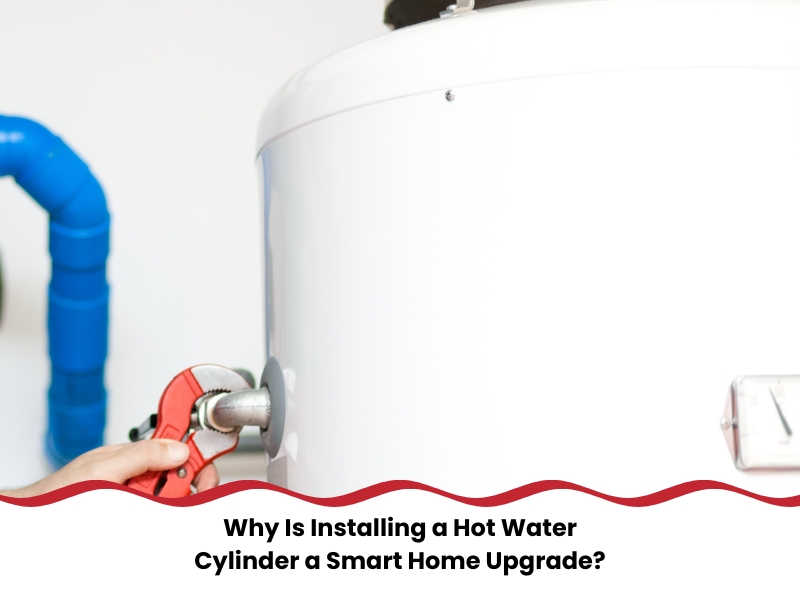
Installing a hot water cylinder lifts comfort, safety, and energy performance while lowering lifetime costs. By installing a hot water cylinder, you match storage to demand, avoid cold-shower scrambles, and satisfy current standards. However, the real upside appears in day-to-day reliability, predictable bills, and simple maintenance. Because Sydney homes vary, sizing and setup matter more than brand chatter. Meanwhile, compliance and commissioning prevent messy leaks and lukewarm taps. A smart installation also readies your place for solar, off-peak tariffs, or a future heat pump. In short, it’s a practical upgrade that earns its keep without fuss or hassle. This article explains key steps, energy savings, replacement timing, system choices, compliance essentials, and lifespan, so your decision is well-informed and no dramas.
What are the key steps when installing a hot water cylinder in your Sydney home?
A smooth installation starts with planning, access, and compliance, not with the wrench. Equally, success depends on matching capacity, recovery time, and controls to your household rhythm. Therefore, ensure safety devices, drainage, and commissioning are in place before turning on a tap. Here are the key steps:
- Site assessment: Check clearances, ventilation, drainage points, and noise limits for indoor or outdoor placement.
- Capacity calculation: Size for peak-hour showers, fixtures, and any future family growth.
- Valve specification: Include tempering, pressure limiting, and expansion control to protect users and fixtures.
- Pipework and insulation: Map shortest runs, insulate hot lines, and allow for maintenance space.
- Electrical or gas requirements: Confirm circuits, isolation, flueing, and shut-off access.
- Commissioning and handover: Test temps and pressures; log warranty details and service intervals.
For an overview of options and staging, explore efficient solutions for installing a new hot water system, then lock down a clear scope. In closing, good preparation means fewer surprises and faster handover. When these steps are done and dusted, the result is safe, tidy, and built to last.
How can installing a hot water cylinder help you save energy and lower bills?
Energy savings flow from right-sizing, better insulation, and intelligent controls that leverage off-peak tariffs. Furthermore, new cylinders curb standby loss and short-cycling that chew through power. Consequently, steady temperatures arrive with lower running costs over time. Here are the bill-saving strategies:
- Set temperature smartly: Balance legionella control and safety while delivering efficiently.
- Insulate lines: Lag the first metres from the tank and any long runs to wet areas.
- Use tariff timing: Shift reheats to off-peak or solar-friendly windows where available.
- Maintain anodes and valves: Keep corrosion and pressure spikes at bay to preserve efficiency.
- Shorten pipe runs: Reduce wait times and wasted litres before hot water arrives.
Indicative efficiency and tariff fit:
|
System type |
Typical efficiency |
Tariff option |
Notes |
|
Electric storage (standard) |
Moderate |
Off-peak suitable |
Low upfront; can cost more to run |
|
Heat pump storage |
High |
Any, best with solar |
Strong savings; needs clear airflow |
|
Gas storage |
Moderate |
Gas plans vary |
Fast recovery; emissions depend on fuel |
|
Solar-boosted storage |
Very high |
Off-peak boost |
Highest savings; higher capital outlay |
For planning details, knowing what to consider before choosing a hot water system, and aligning features with your tariff. Ultimately, moderate tweaks drive significant gains. Expect stability in bills, though a higher upfront cost may accompany premium efficiency in some cases.
When should you consider installing a hot water cylinder instead of repairing your old system?
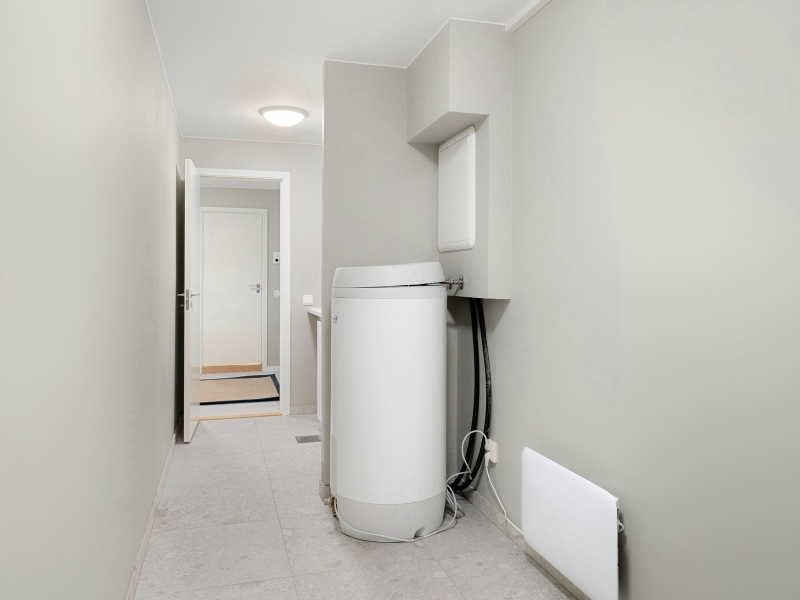
Replacement is on the cards when repairs stack up, temperatures wobble, or rust appears. Additionally, systems around 10–12 years old often reach diminishing returns. Therefore, a new cylinder resets safety, reliability, and performance in one go. Here are the replacement signals:
- Rising repair frequency: Call-outs increase, and parts availability becomes patchy.
- Corrosion or leaks: Pinholes and rust flakes indicate tank failure on the horizon.
- Temperature swings: Valve drift or scale can cause scalding risks and lukewarm taps.
- Poor capacity match: Morning demand outstrips recovery, leading to cold showers.
- Compliance gaps: Missing or faulty tempering or discharge lines increase hazards.
For contrast, it’s worth weighing continuous-flow options, considering energy savings from tankless water heater installations, and then deciding whether stored capacity better suits your routine. In summary, storage cylinders shine where multiple showers land together and reliability matters. They also reduce the risk of scalding without a tempering valve when installed correctly with mandated devices.
Which type of hot water cylinder is best to install for your household needs?
The best choice depends on household size, water quality, space, and budget. Moreover, roof access and shade influence solar-boosted systems, while airflow governs heat pump performance. Consequently, capacity and recovery speed must match your peak demand. Here are the cylinder options:
- Standard electric storage: Simple, reliable, off-peak friendly; ideal where tariffs suit and space is available.
- Heat pump storage: Efficient and tariff-agnostic; thrives in Sydney’s mild climate with adequate airflow.
- Gas storage: Strong recovery for back-to-back showers; check flueing and gas plan details.
- Solar-boosted storage: Highest long-term savings when roof orientation and shading cooperate.
- Stainless vs vitreous tanks: Stainless can outlast mild steel; confirm anode strategy.
If fast turnaround between showers matters, aim for quicker heat recovery via the right fuel and coil design. In closing, tailor the unit to your morning rush, not someone else’s brochure. The right fit keeps performance sweet for years.
What does professional hot water installation include for safety and compliance?
A professional job delivers licensed work, mandated valves, and safe discharge routing. Additionally, documentation and commissioning tests prove compliance and protect warranties. As a result, hazards are controlled, and the temperature is consistent. Here are the safety must-haves:
- Tempering valves: Deliver safe outlet temperatures and prevent scalds.
- Pressure management: Use limiting and expansion valves to protect fixtures and the tank.
- Correct discharge: Route relief lines to visible, approved termination points.
- Electrical and gas safety: Provide isolation, earthing, flueing, and ventilation in accordance with code.
- Insulation and support: Lag pipes; secure the cylinder; maintain clearances.
- Documentation: Supply certificates, manuals, and a maintenance schedule.
To understand sustainable choices and tuning, learn how heat pumps support sustainable water heating, then align settings with your tariff and usage. Ultimately, a compliant setup avoids fines and failures. Even with innovative gear, expect more complex maintenance for advanced controls and sensors.
How long does a newly installed hot water cylinder typically last?
Service life hinges on water chemistry, anode management, and location. Furthermore, stainless construction and regular checks extend lifespans. Therefore, many Sydney cylinders run 10–15 years when maintained. Here are the longevity tips:
- Match anode to water quality: Choose and replace on schedule to slow corrosion.
- Inspect valves yearly: Catch pressure drift and sticky mechanisms early.
- Keep thermostat sensible: Balance hygiene, safety, and efficiency.
- Refresh lagging: Replace degraded insulation on exposed pipework.
- Check placement: Shield outdoor units from harsh coastal exposure if possible.
With these habits, expect fewer breakdowns and steadier bills. Over time, a small maintenance budget preserves principal value. In short, care today prevents headaches tomorrow.
Final thoughts
A well-planned cylinder installation stabilises comfort, safeguards users, and trims energy use without drama. Moreover, it future-proofs your home for tariffs, solar, and upgrades. For tailored guidance and a tidy plan, discover how Sydney Hot Water Systems can upgrade your home’s comfort and lock in a configuration that matches your household’s rhythm from day one.