

Blog
Why Your Shower Goes Cold Faster in Sydney Winter (And What To Check First)

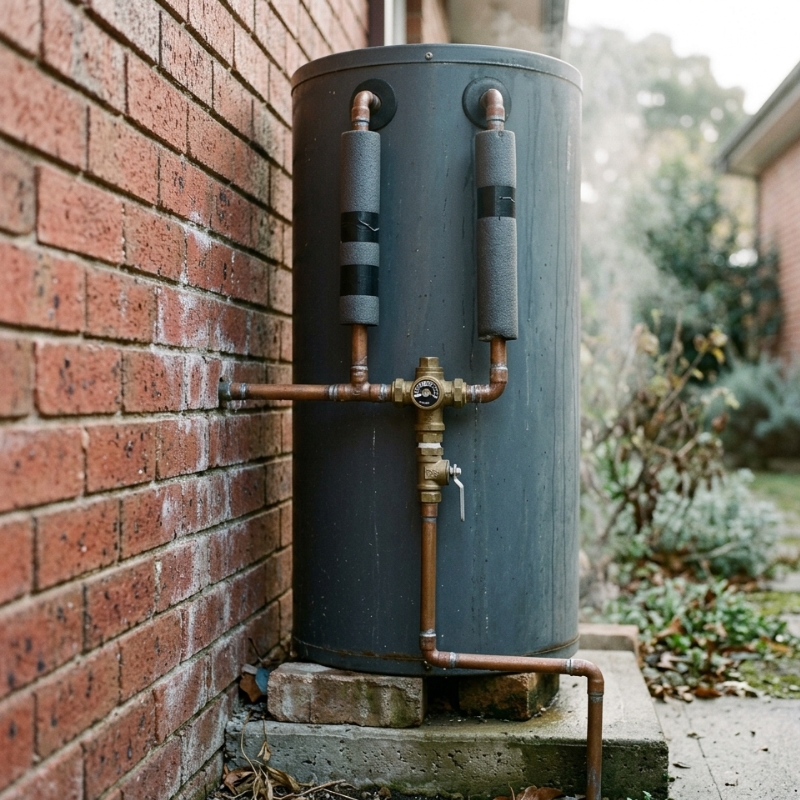
Sydney winters aren’t alpine-cold, but the change is enough to expose weak links in your hot shower routine and your hot water systems. If you’re finding the shower goes cold faster (or the temperature starts hunting between warm and cool), it’s usually not “just one thing”.
Winter changes a few variables at once:
• The cold water coming into your home is colder, so your unit has to do more work to reach the same shower temperature.
• Household demand spikes on cold mornings (back-to-back showers, laundry, dishwasher), which drains stored hot water more quickly or pushes continuous-flow units to their limits.
• Pressure and flow can change when everyone in the home starts using water at the same time, and that can affect mixer taps and temperature control valves.
The good news: you can narrow down the most likely cause in about 10–15 minutes with a few safe checks.
First, identify the “pattern” (this tells you where to look)
Before you touch anything, answer these three questions:
• Does the shower go cold after a predictable time (like 5–10 minutes), or does it suddenly go cold when someone else uses water?
• Is it only one shower, or do other hot taps (kitchen, laundry, ensuite) also go lukewarm?
• Does it happen every time in winter, or only some mornings (often tied to peak household demand)?
Write down what you notice. The pattern matters more than the brand on the box.
Quick guide to what the pattern usually means
• Cold after a set time (5–15 minutes): often storage capacity, recovery time, thermostat/element/burner performance, or sediment reducing effective capacity.
• Cold when another tap turns on / toilet flushes: often pressure imbalance, a shower mixer issue, or temperature control valve behaviour.
• Only the shower is affected: commonly, the shower mixer cartridge, shower head flow rate, or a tempering/mixing valve issue.
• All taps are affected: more likely a unit-wide issue (recovery, settings, burner/element performance) or a household-demand peak.
Step-by-step checks you can do safely (no tools required)
These checks are “observe and compare” tests. Avoid opening panels, adjusting gas settings, or changing thermostat settings unless you’re trained—temperature and compliance risks are real.
Step 1: Do the “two taps” test (whole house vs shower-only)
- Run the kitchen hot tap until it’s properly hot.
- Turn it off for 30 seconds.
- Turn on the shower and note the temperature.
- While the shower is running, briefly turn the kitchen hot tap on again.
What to look for:
• If both taps go lukewarm quickly, it’s likely a supply/recovery/capacity problem affecting the whole house.
• If the kitchen stays hot but the shower goes cold, it points strongly to the shower side (mixer cartridge, shower head flow rate, or a temperature control device serving the bathroom).
Step 2: Time how long you get “stable hot” before it drops
Use your phone timer:
• If it’s consistently the same duration each time, that’s a clue (capacity/recovery).
• If it varies a lot, look at pressure/flow changes or intermittent faults (mixer, tempering valve, sensor issues on continuous flow).
Step 3: Do the “pressure event” test (flush/laundry)
With the shower running:
• Flush a toilet
• Turn on a cold tap briefly
• If you have a front loader, start a rinse (brief cold draw)
If the shower temperature swings noticeably during those events, you’re likely dealing with a pressure imbalance at the shower mixer or a plumbing pressure issue that becomes more obvious during winter peak use.
Step 4: Check your shower head flow (low flow can trigger issues)
Winter comfort often means people turn the shower hotter. That can reduce the cold-water proportion and increase hot-water draw, which drains storage units faster.
But the opposite can also happen: some shower heads reduce flow so much that continuous-flow units may struggle to “stay lit” or maintain stable heating if flow dips near activation thresholds. Even without touching the unit, the symptom can show up as temperature hunting mid-shower.
If your shower head is very restrictive, try a simple comparison:
• Run a different hot outlet (like a laundry tub) at a higher flow and see if hot water stays more stable than the shower.
If stability improves at higher flow, that’s useful diagnostic information for a licensed plumber.
Why winter makes hot water “run out faster” (even when nothing is broken)
A common winter misunderstanding is: “My unit must be failing because it never used to run out.”
Sometimes it’s simply physics and demand.
When the incoming cold water is colder, your unit has to add more heat energy to get water to the same temperature. If you’re using a storage unit, that can mean the tank depletes its usable “hot” volume faster, and it can take longer to recover between showers.
On top of that, winter routines often stack demand:
• Two or three showers back-to-back in the morning
• Dishwasher after breakfast
• Laundry on cold mornings
• Longer, hotter showers because the bathroom feels colder
Even a healthy system can feel “smaller” under winter loads.
Q&A: “Is it normal for hot water to run out faster in winter?”
Yes, it can be normal—especially if the unit is already under strain or the household is using more hot water in a tighter window. Colder inlet water and higher demand are the two biggest winter drivers.
If the shower goes cold after 5–10 minutes, the most likely causes are
This pattern is usually about stored hot water being used up or the system not recovering quickly enough.
1) The storage tank is undersized for the winter peak demand
A tank that felt fine in summer can struggle when:
• The incoming cold is colder
• Showers are hotter/longer
• More showers happen back-to-back
A simple household “load test”:
• On a winter morning, note how many showers happen in a row and whether the last person is the one who goes cold first.
• If yes, you’re likely hitting a capacity/recovery limit rather than a sudden fault.
2) Recovery time is slower than it used to be
If the tank runs out and takes longer than you remember to come back, causes can include:
• Electric element performance issues
• Thermostat issues
• Sediment buildup acts like insulation (reducing heat transfer and effective capacity)
Sediment and scale can reduce efficiency over time, especially in storage systems, and the effect can be more obvious in winter.
3) Tempering valve or mixing valve behaviour (bathroom only)
If the kitchen stays hot but the bathroom outlets don’t, a tempering valve (or other temperature control device) may be limiting delivery temperature or behaving inconsistently.
In NSW, temperature control devices are a key part of safe heated water delivery and have specific installation requirements.
You don’t need to diagnose the valve yourself—but recognising the “bathroom-only lukewarm” pattern helps a professional get to the cause faster.
Q&A: “Why is the kitchen hot but the shower is lukewarm?”
Often, because the bathroom hot water is being tempered (mixed with cold) through a temperature control device, or because the shower mixer cartridge is failing and letting cold water bleed into the mix. The “kitchen hot / shower lukewarm” split is a strong clue that the issue isn’t the whole unit.
If the shower goes cold when someone else uses water, what’s going on
If temperature changes happen when someone turns on a tap, flushes, or starts a washing machine, think about pressure and mixing.
1) Shower mixer cartridge wear or pressure imbalance
Modern single-lever mixers rely on internal components to balance hot and cold. When those parts wear, sudden pressure changes elsewhere can cause:
• A cold surge
• A hot surge
• Temperature “hunting” while you’re trying to hold it steady
This is especially noticeable in winter when the home is drawing water from multiple points at once.
2) Cold water bleed-through (shower-specific)
A failing mixer can allow cold water to cross into the hot line (or vice versa), which can make the shower temperature unpredictable and can even affect other hot outlets while the shower is running.
If the shower being on makes other hot taps worse, that’s an important clue.
3) Pressure-limiting and building supply quirks (apartments vs houses)
In apartments, pressure changes can be more noticeable due to shared infrastructure and simultaneous building demand. In houses, it can be related to internal plumbing design, pressure-limiting valves, or long pipe runs.
The fix isn’t the same in every property, which is why the pattern-based checks earlier matter.
Q&A: “Why does my shower go cold when someone flushes the toilet?”
Most commonly, the flush draws cold water, changes the pressure balance, and the shower mixer can’t maintain the hot/cold ratio. It’s a plumbing pressure/mixing issue more than a “not enough hot water” issue.
Continuous flow units: why you can still get cold bursts mid-shower
A common myth is that “continuous flow means endless hot water, so it can’t be the unit.”
You can still get temperature dips due to:
• Flow dropping below the unit’s stable operating range (especially with restrictive shower heads)
• Sensor/burner modulation issues (unit trying to keep up with changing flow)
• Scale in the heat exchanger affecting heat transfer
• The “cold water sandwich” effect, where a brief slug of cooler water appears during start/stop cycles
If you notice the shower temperature dips at the start, then stabilises, then dips again after someone else uses hot water briefly, that “sandwich” pattern is worth mentioning to the person diagnosing it.
Heat pumps in winter: what to know (without overcomplicating it)
Heat pump units can be very efficient, but winter conditions can mean:
• Longer recovery times compared with warmer weather
• More noticeable impact from back-to-back showers
• Greater importance of timing and household demand peaks
You don’t need to change settings blindly. Your key job as a homeowner is to identify whether the problem is:
• Running out of stored hot water (capacity/recovery), or
• A shower-side mixing/pressure issue
Safety and compliance in NSW: don’t “fix” lukewarm by cranking temperatures
When showers go lukewarm, people often think: “I’ll just turn the thermostat up.”
That can create scalding risk and may cause compliance issues in wet areas where delivery temperature is controlled for safety. NSW guidance on temperature control devices explains installation requirements designed to manage safe delivery temperatures.
If you suspect a tempering valve or mixing device issue, treat it as a “diagnose properly” situation rather than a “turn it up” situation.
What to do next based on what you found
Use your observations to choose the most sensible next step.
If it’s whole-house lukewarm or short duration
Focus on:
• Winter demand vs unit capacity
• Recovery time changes (slower than usual)
• Signs of system strain (noises, discoloured water, inconsistent temperature across all taps)
If you’re seeing early warning signs, this guide on signs that your hot water system needs repair can help you list what’s happening before you speak to a professional.
If it’s shower-only (kitchen stays hot)
Focus on:
• Shower mixer cartridge behaviour
• Shower head flow and stability
• Bathroom temperature control device behaviour (tempering/mixing)
A planned check-up is often cheaper than guessing. A sensible routine of hot water unit maintenance can also reduce winter surprise failures by catching issues early.
If it’s pressure-event related (flush/taps cause swings)
Focus on:
• Shower mixer performance under pressure changes
• Home pressure regulation and plumbing layout
• Whether the issue occurs at one shower or multiple showers
If your testing points to a genuine fault (not just winter demand), keep your notes and photos (if safe) and use them when speaking with someone you trust for trusted hot water repairs in Sydney.
When it’s time to stop testing and call a licensed plumber
Some symptoms aren’t “wait and see” problems:
• Gas smell, soot marks, or anything suggesting combustion issues
• Electrical burning smell, repeated breaker trips, or water near electrical components
• Sudden scalding temperature swings
• Brown/rusty hot water that doesn’t clear
• Loud banging/rumbling from the unit
• Water pooling around the unit or visible valve discharge that seems excessive
If you notice any of these, prioritise safety over troubleshooting.
FAQs
Why does my shower go cold faster in winter, even if the unit seems fine?
Winter often brings colder incoming water and higher, more concentrated household demand (back-to-back showers on cold mornings). That combination can reduce the “effective” hot water you experience and make recovery time feel slower.
How do I tell if it’s the shower mixer or the hot water unit?
Do the “two taps” test. If the kitchen stays hot while the shower goes lukewarm, it points to shower-side causes (mixer cartridge, shower head flow, or bathroom tempering/mixing). If all outlets go lukewarm, it points to capacity/recovery or unit-wide performance.
Why does the shower temperature change when someone flushes the toilet?
Flushing draws cold water and can change the pressure balance. A worn or sensitive shower mixer may not maintain the hot/cold ratio, so you feel a sudden cold (or hot) surge.
Can a tempering valve make my shower lukewarm?
It can contribute, especially if bathroom outlets are affected, but the kitchen is hotter. Tempering/temperature control devices are part of safe heated water delivery and must meet NSW installation requirements.
What is the “cold water sandwich” with continuous flow units?
It’s a brief temperature dip that can occur when the unit cycles between draws and transitions from residual warm water in pipes to newly heated water. It can feel like a sudden cool burst mid-routine.
Should I turn up the thermostat to fix winter lukewarm showers?
Be careful. Increasing temperatures can raise scalding risk and may create compliance issues in wet areas where delivery temperature is controlled for safety. If temperatures seem off, it’s better to diagnose the cause rather than guess with settings.
Why does my hot water last longer at the laundry tub than in the shower?
Laundry tubs often run at a higher flow and may not be affected by the same shower mixer behaviour. The shower head’s flow restriction and the mixer cartridge can change stability and perceived temperature.