

Blog
Is Your Hot Water Unit Unsafe? Sydney Safety Red Flags for Gas Smells, Overheating and Pressure Issues

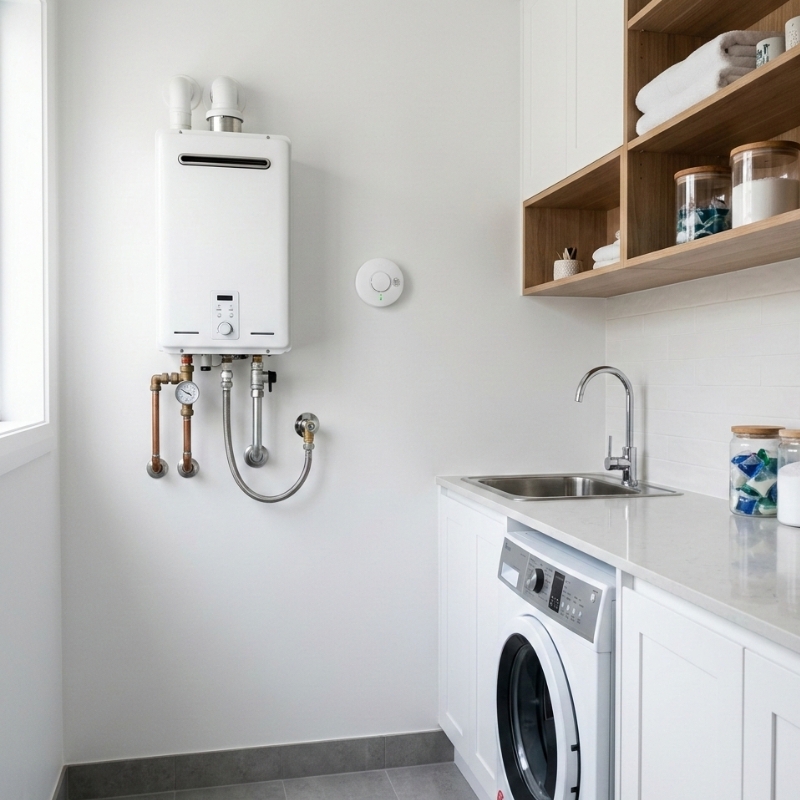
Hot water units — including gas hot water systems — usually give you plenty of warning before something becomes genuinely unsafe. The problem is that many of the “signals” don’t look dramatic at first: a faint smell, a little drip from a pipe, a new noise, or water that suddenly runs hotter than normal.
This Sydney-focused guide walks you through the safety red flags that matter most, especially for homes with gas hot water. You’ll learn what to do immediately, what you can check safely (no tools, no covers removed), and when it’s time to stop using the unit and get a licensed professional involved.
First: what counts as “unsafe” with hot water?
A hot water unit can become unsafe in three main ways:
• Gas risk: leaks, poor combustion, or carbon monoxide (CO) risks (particularly for gas appliances)
• Heat risk: overheating, scalding water, or failed temperature control
• Pressure risk: relief valve discharge, overpressure events, or tank failure risks
Some issues are urgent emergencies. Others are “stop and organise help soon”. The goal is to recognise which is which.
The Sydney “stop / check / leave / call” safety framework
Use this simple decision flow if you’re worried right now:
• Stop: stop using hot water if you suspect a safety issue (especially a gas smell, overheating, or heavy leaking)
• Check: do only safe checks you can do from outside the unit (odour, visible leaks, flame colour through the viewing window, unusual sounds)
• Leave: if you smell gas strongly, feel unwell (headache/nausea), or suspect carbon monoxide, leave the area and get fresh air
• Call: for immediate danger, call emergency services; otherwise, contact a licensed gasfitter/plumber to assess the unit
If you’re in an apartment or townhouse complex, remember there may be shared cupboards, shared ventilation spaces, or strata-controlled access to isolation valves. When in doubt, treat gas odours and suspected CO as urgent.
Red flag group 1: gas smells and combustion warnings
If you smell gas near your hot water unit
A gas smell around a hot water unit is not something to “wait and see”. Even if it comes and goes, it can indicate a leak at a connection, a faulty regulator, or a burner issue.
Do this immediately:
• Don’t use flames (no lighters, matches, BBQs)
• Don’t switch electrical appliances on or off in the area (switches can spark)
• Ventilate if it’s safe to do so (open doors/windows)
• Turn off the gas at the meter or appliance isolation valve only if you can do it safely and quickly
• Leave the area and seek help if the smell is strong or you feel unsafe
Sydney reality check: gas hot water units are often tucked into tight laundries, side passages, balconies, or hot water cupboards. Limited airflow can make odours feel stronger and can also worsen combustion problems.
Yellow/orange flame, soot, or scorch marks
If your gas unit has a viewing window, a healthy flame is typically steady and mostly blue. A yellow/orange flame can indicate incomplete combustion, which increases the risk of soot build-up and potentially carbon monoxide.
Look for:
• Sooty marks around the unit, flue, or nearby surfaces
• Black staining, scorch marks, or discoloured paint
• A flame that “lifts” or blows around instead of burning steadily
Do not try to clean, adjust, or “tune” the burner yourself. If you see soot or an abnormal flame, stop using the unit and have it assessed.
Pilot light keeps going out (older systems)
For older gas units with a pilot, repeated pilot outages can be more than a nuisance. It can point to:
• Poor ventilation or downdrafting
• Thermocouple/ignition faults
• Gas supply irregularities
• Burner or flue issues affecting combustion
If relighting becomes frequent, treat it as a warning sign rather than a routine chore.
Q: Can my hot water unit produce carbon monoxide?
Yes, gas appliances can produce carbon monoxide if they’re not burning correctly or if the flue/ventilation is inadequate. CO is dangerous because you can’t smell it.
Common CO exposure symptoms can feel like a virus:
• Headache
• Dizziness
• Nausea
• Fatigue or confusion
If you suspect carbon monoxide (symptoms plus a gas appliance issue), get into fresh air immediately and seek medical advice. For clear, NSW-specific guidance, refer to the NSW Government information on gas water heaters and carbon monoxide risks: NSW Government gas water heater safety.
Red flag group 2: overheating, scalding, and temperature problems
Water suddenly becomes much hotter than usual
Water that becomes unexpectedly hot can be a sign that temperature control has failed or is drifting out of spec. In a household, this is more than discomfort: it can become a scalding hazard, particularly for children and older adults.
Watch for:
• Hot water surges when someone turns on a tap
• Temperature swings during showers
• “Boiling-hot” water at basins that used to be safe
If you notice this, reduce hot water use and organise an assessment promptly. Don’t keep “testing it” with repeated showers.
Overheating signs around the unit
Overheating can show up as:
• A very hot case surface (hotter than you’d expect)
• Unusual heat radiating into the surrounding cupboard/room
• A pressure relief line discharging hot water (more on this below)
• New creaking, pinging, or rumbling noises
Sometimes overheating and pressure problems show up together, because heat expands water and increases pressure.
Tempering valve issues (common scalding culprit)
Many Sydney homes have a tempering valve (or mixing valve) that helps limit the temperature delivered to bathrooms. If that valve fails, is incorrectly set, or is blocked by debris, you might get overly hot water at taps.
A key point: you don’t need to know the plumbing configuration to recognise the symptoms. If bathrooms suddenly feel scalding or unpredictable, treat it as a safety concern.
Q: Is it normal for hot water to fluctuate?
Minor fluctuation can happen, especially with continuous flow units under varying demand (someone turns on a second tap, and the unit adjusts). But big swings, sudden scalding bursts, or temperature changes that started recently are not “normal”.
If the change is new, consider it a warning sign and get it checked.
Red flag group 3: pressure issues, relief valves, and leaking
The pressure relief valve is dripping or running
Most hot water systems have a temperature and pressure relief (TPR) valve (often connected to a discharge pipe). Some homes also have an expansion control valve (ECV). These valves can release water to relieve excess pressure.
What’s a concern:
• Constant dripping that never stops
• A steady stream of water from the discharge line
• Staining, scaling, or corrosion around the valve/outlet
• Water pooling near the unit
• A discharge pipe that looks damaged, blocked, or incorrectly positioned
A small amount of occasional discharge can happen with thermal expansion, but ongoing discharge is a sign that something isn’t right and should be assessed.
Water is leaking from the base of a storage tank
A leak from the base can indicate internal corrosion. Once a storage tank begins to fail structurally, the risk is not just water damage. In severe cases, tank rupture can occur.
Red flags include:
• Rust streaks down the tank body
• Dampness or rust around the base ring
• Persistent puddling even when you haven’t used hot water
• Water that looks brownish or metallic at the hot tap
If you suspect a storage tank is failing, minimise use and organise a professional assessment soon.
Water hammer, banging, or rumbling
Noises can be harmless, but some are meaningful warnings:
• Banging or “hammer” when taps turn off: can be pressure surges or plumbing shock
• Rumbling/roaring: can be sediment build-up in storage tanks (hot spots can form)
• Screeching/whistling: can be valves or restrictions
Noises that are new, loud, or paired with overheating or relief valve discharge should be treated as higher priority.
Q: Can a hot water unit explode?
It’s rare, but serious failures can occur when pressure and temperature safety controls fail or when a tank is severely compromised. That’s why relief valves, temperature controls, and correct installation matter so much.
The practical takeaway: don’t ignore repeated pressure relief discharge, overheating, or signs of tank deterioration.
A safe-at-home checklist (no tools, no covers removed)
If you’re unsure whether something is dangerous, run through this checklist:
• Smell: any gas odour near the unit or meter?
• Sight: any soot, scorch marks, or unusual discolouration?
• Leak: any pooling water, rust streaking, or constant discharge from pipes?
• Temperature: any sudden scalding, big fluctuations, or water that’s hotter than normal?
• Sound: any new banging, rumbling, roaring, or whistling?
• Symptoms: any unexplained headaches/dizziness/nausea when the unit is operating?
If you tick any of the above and it’s new or worsening, reduce use and arrange assessment.
Sydney-specific scenarios people miss
Hot water cupboards and poor ventilation (apartments and townhouses)
Hot water units in enclosed cupboards are common across Sydney. Poor airflow can worsen combustion issues for gas appliances and can concentrate odours.
Signs your cupboard setup might be risky:
• Strong heat build-up in the cupboard
• Sooting around vents or louvres
• Musty smells or scorch marks inside the enclosure
Do not modify cupboard ventilation yourself. Just treat the signs as “needs professional inspection”.
Winter habits: closed doors and reduced airflow
In Sydney winters, people tend to keep doors closed and windows shut. That can reduce ventilation, which is relevant for any gas appliance that depends on good airflow and safe flueing.
If you’ve noticed issues only “in winter”, don’t dismiss it. Seasonal patterns can be a clue.
Beachside suburbs and corrosion
Coastal air accelerates corrosion. If you’re in beachside areas, rust and external deterioration can happen faster, especially to fittings, valves, and exposed metal.
Where this connects to gas hot water choices (without guessing your setup)
If you’re reading this because you’ve noticed safety red flags, it can help to understand that different gas hot water options have different profiles:
• Continuous flow gas units can show early warning signs through temperature fluctuation, error codes, ignition issues, and airflow/flue sensitivity
• Storage gas units often telegraph problems through relief valve discharge, rumbling, rust, and base leaks
If you’re comparing what might suit your home after a safety scare, you can browse our gas hot water range to understand the typical styles and configurations used in Sydney homes.
What not to do when you suspect a safety problem
These well-meaning actions can make things worse:
• Don’t keep restarting or relighting repeatedly (especially if you smell gas)
• Don’t remove covers, panels, or sealed compartments
• Don’t attempt “valve testing” or adjustments unless you’re licensed
• Don’t ignore persistent relief valve discharge (it’s a safety device doing its job)
• Don’t delay if there are health symptoms that could match CO exposure
Practical “call now” triggers vs “call soon” triggers
Call now (urgent)
• Strong gas smell that persists or increases
• Anyone feels dizzy, nauseous, or gets headaches when the unit runs
• Soot/scorching plus abnormal flame behaviour
• Significant leaking that’s flooding or affecting electrics
• Relief valve discharge that is heavy/continuous, and the water is extremely hot
Call soon (within days)
• New and persistent drips from valves or fittings
• Temperature has become unpredictable or hotter than normal
• New rumbling/roaring noises from a storage tank
• Pilot/ignition issues are becoming frequent
• Rust streaks or dampness around the base of a tank
If you’re weighing up what a safe path forward looks like for your household and layout, it can help to explore typical gas hot water options for Sydney homes so you understand what “normal operation” should look like.
FAQ
What should I do if I smell gas near my hot water unit?
Treat it seriously. Avoid flames and switching electrical items, ventilate if safe, turn off gas only if it’s safe and quick, leave the area if the smell is strong, and get urgent help.
How can I tell if a gas hot water unit might be producing carbon monoxide?
You generally can’t smell CO. Watch for “flu-like” symptoms (headache, dizziness, nausea) alongside appliance warning signs like soot, yellow flames, or poor ventilation. Get into fresh air and seek urgent help if you suspect it.
Is a dripping relief valve always dangerous?
Not always, but it’s never something to ignore. Occasional discharge can happen, but constant dripping or a steady stream suggests a pressure/temperature issue that needs assessment.
Why is my hot water suddenly scalding?
It can be a temperature control issue, a tempering/mixing valve fault, or a system regulation problem. Reduce use and organise an inspection promptly to avoid scald risk.
What does rumbling in a storage tank mean?
Often, sediment build-up causes hot spots and noise. It can contribute to inefficiency and stress on the unit, and it’s worth checking before it escalates.
Should I keep resetting a continuous flow unit if it throws errors?
If errors repeat, it’s a sign that something is wrong (gas supply, ignition, airflow, sensors). Repeated resetting can mask a safety issue. Get it checked.
Can I do any safe checks myself?
Yes: smell for gas, look for leaks/soot/scorch marks, note temperature changes, and pay attention to unusual noises or health symptoms. Avoid opening panels or adjusting valves.
If I think my unit is unsafe, what’s the next step?
Stop using it as much as possible and arrange a professional assessment. If you’re also considering what style of gas unit fits your household after a safety concern, you can request help with gas hot water installation information as a next step.