

Blog
Is DIY Rheem Installation Safe for Homeowners?

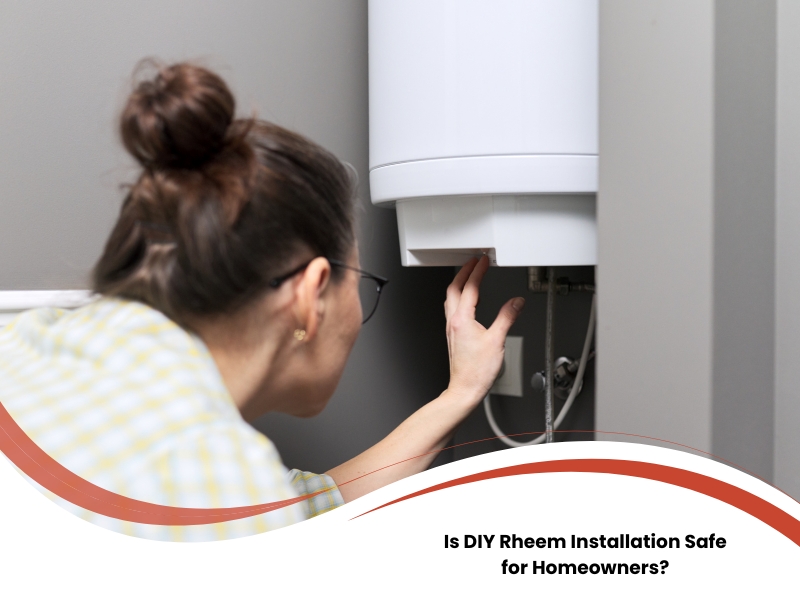
No, DIY Rheem installation is generally not safe for homeowners because it involves complex plumbing, electrical, and safety compliance tasks that require licensing. While it may appear straightforward, even small mistakes can cause gas leaks, water damage, or invalidate your warranty. This article unpacks the major risks, why a poor setup leads to damage, and how a licensed plumber ensures long-term safety and performance. By the end, you’ll understand why professional installation is the smart move for any Australian home.
What are the risks of doing your own Rheem installation?
Doing your own Rheem installation carries serious safety and compliance risks, ranging from water leaks and electrical hazards to complete system failure or personal injury. Without the right qualifications or tools, even a small mistake can create major safety issues and costly damage down the track. The biggest problems occur when essential safety valves, fittings, or electrical connections are installed incorrectly or skipped altogether.
- Faulty pipework and electrical wiring can trigger shocks, leaks, or even fires if not sealed or grounded properly.
- Gas models risk dangerous carbon monoxide buildup without adequate ventilation or flue clearance.
- An incorrect valve setup causes pressure imbalance and tank stress, which may lead to bursting or scalding hazards.
- Manufacturer warranties become void if installation deviates from certified Rheem instructions or fails inspection.
Because installation must meet Australian Standards (AS/NZS 3500 and 3000) and local council codes, DIY jobs often fail compliance checks, exposing you to fines or forced rework. Even when a system appears to run smoothly at first, hidden faults can develop slowly, reducing performance and shortening your heater’s lifespan. The truth is, while a DIY install might seem like a money-saver, it’s a risky shortcut that can cost thousands in future repairs, replacements, and safety penalties.
Why can a faulty Rheem installation lead to system damage?
A faulty Rheem installation leads to system damage because it throws off the unit’s delicate pressure, temperature, and electrical balance elements essential for safe and efficient operation. When these factors aren’t properly aligned, the system overworks to compensate, causing faster deterioration of its key components. In short, what seems like a minor installation mistake can quietly set off a chain reaction of mechanical and thermal stress that shortens the system’s life.
- A misfitted relief valve can’t release excess pressure, causing tank expansion, warping, or even rupture under strain.
- Incorrect drain lines or missing trays lead to corrosion and water pooling that weaken joints and internal parts.
- Gas models with poor airflow corrode internally, lose efficiency, and risk incomplete combustion or carbon buildup.
- Loose electrical connections create shorts, erratic heating, or overheating that can burn out elements and wiring.
Over time, these installation errors reduce the heater’s lifespan, lower performance, and push up your energy bills. Worse still, they can hide deeper issues such as heat loss, internal corrosion, or sediment accumulation that make the system less efficient every day. Problems like common causes of hot water system heat loss often stem from poor installation practices issues that a licensed plumber could have avoided with correct setup and testing.
How does a licensed plumber ensure safe Rheem installation?
A licensed plumber ensures safe Rheem installation by following certified procedures, issuing compliance documents, and verifying every safety component. They don’t just install they guarantee the system functions efficiently and legally.
- They use AS/NZS 3500.4 plumbing and AS/NZS 3000 electrical standards to ensure compliance.
- Relief valves, expansion controls, and drain lines are correctly positioned for safe operation.
- They provide compliance certificates covering plumbing, gas, and electrical aspects.
- Every part is tested for leaks, grounding, and pressure stability before commissioning.
Choosing professionals means the work meets safety codes, warranty requirements, and your home’s energy standards. A trusted provider offering complete Rheem water heater installation ensures your unit performs efficiently from day one with zero guesswork or compliance risks.
What are the steps in a standard Rheem system setup?
A standard Rheem system setup follows a step-by-step installation process that ensures safety, efficiency, and warranty compliance. When each phase is completed correctly, the system performs reliably and lasts for years.
| Step | Task | Why it matters |
| 1 | Choose the right system type and size | Prevents underperformance or wasted energy |
| 2 | Position unit per clearance rules | Avoids overheating and ensures service access |
| 3 | Install isolation, pressure, and tempering valves | Protects against scalding and pressure failures |
| 4 | Connect gas, water, and electrical lines per standards | Prevents leaks, shorts, or gas hazards |
| 5 | Attach relief valves and drain lines | Maintains pressure control and safe discharge |
| 6 | Test and commission the system | Confirms safe operation before handover |
| 7 | Provide compliance certificates | Legally validates and protects your warranty |
When these steps are skipped or rushed, small oversights can create noise, leaks, or heat imbalance. For further guidance, you can explore guides on troubleshooting noisy hot water systems to understand how improper setup leads to recurring issues.
Should you hire professionals for Rheem heater servicing?
Yes, hiring professionals for Rheem heater servicing is essential to maintain safety, efficiency, and warranty protection. Ongoing maintenance prevents faults that typically appear months after installation.
- Scale or sediment buildup can block heating elements.
- Unchecked valves may stick, causing temperature spikes.
- Electrical terminals loosen, creating efficiency losses.
- Missed service intervals can void the warranty altogether.

Routine servicing by a licensed plumber ensures that your heater runs smoothly and complies with water heater compliance requirements. It’s a straightforward way to extend your unit’s life and avoid unexpected costs down the track.
Final thoughts on safe Rheem installation for your home
In short, DIY Rheem installation isn’t safe, it’s risky, non-compliant, and potentially expensive in the long run. Only licensed professionals have the skills to ensure your system operates correctly and meets Australian safety standards. A compliant setup keeps your water hot, your warranty valid, and your home protected.
For tailored insights or next-step planning, consider seeking expert advice from Sydney Hot Water Systems for guidance that matches your property’s needs and energy goals.