

Blog
How Long Should Your Hot Water Unit Last? Lifespan Clues Sydney Homeowners Shouldn’t Ignore

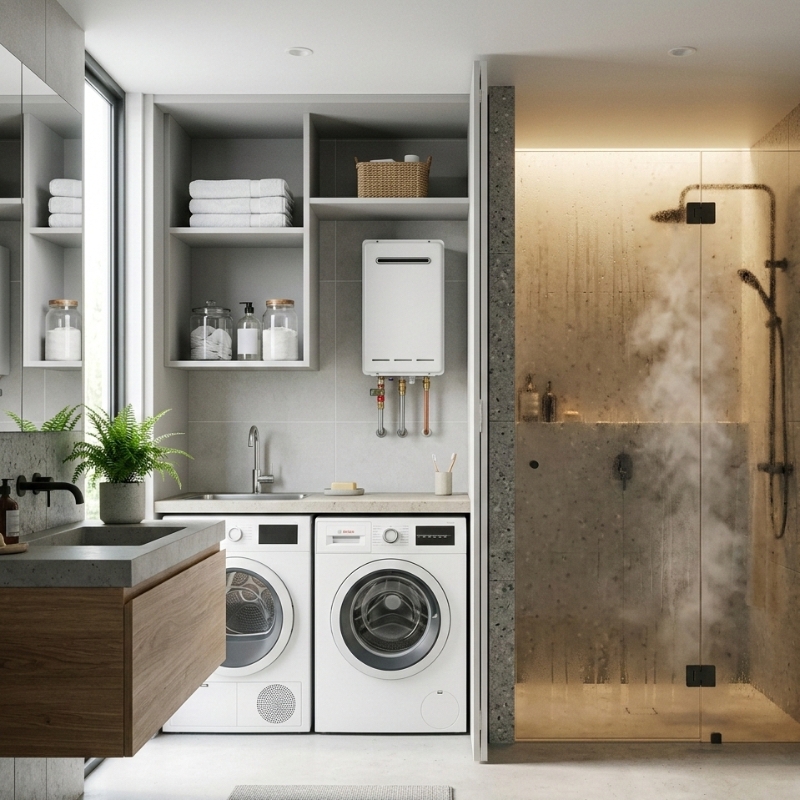
In Sydney, most homeowners don’t think about their hot water system until the morning shower turns lukewarm, the unit starts making strange noises, or a puddle shows up where it definitely shouldn’t.
The tricky bit is that hot water units rarely fail “out of nowhere”. They usually give off warning signs for weeks or months. If you know what those signs look like, you can plan your next move instead of getting forced into a rushed decision when you’ve got no hot water at all.
This guide is designed for Sydney homes and apartments, and it stays practical: expected lifespan ranges, what shortens a unit’s life, what symptoms mean, and when it’s time to stop throwing good money after bad.
What “lifespan” really means for a hot water unit
A hot water unit’s lifespan is the period it can deliver safe, reliable hot water at a reasonable running cost without frequent breakdowns.
That matters because a unit can technically keep heating water while quietly:
• leaking internally
• corroding around fittings
• losing efficiency due to scale and sediment
• running hotter than it should (a scalding risk)
• putting extra strain on electrical or gas components
So “still working” isn’t always the same as “still worth keeping”.
Quick answer
In Sydney, many storage tank units start to become higher-risk for failure once they’re around a decade old (sometimes earlier, sometimes later), while well-maintained continuous flow units often run longer. But the more important question is whether your unit is showing end-of-life symptoms, because those signs matter more than age alone.
Typical lifespan by unit type in Sydney homes
Sydney has a mix of housing styles (older terraces, post-war brick homes, modern townhouses, high-rise apartments), and that changes demand patterns and installation setups. The unit type also makes a big difference to longevity.
Electric storage tanks
Electric storage tanks are common and straightforward, but they’re vulnerable to internal corrosion and sediment build-up over time.
Many last roughly around the 8–15 year mark, depending on:
• water conditions
• how hard the household pushes it (big family vs couple)
• installation quality
• whether maintenance, like anode checks, ever happens
Gas storage tanks
Gas storage systems can be robust, but they still have tank-related ageing (corrosion, valves, sediment). The burner and controls can also wear.
Often, you’ll see similar tank-life patterns as electric storage, with variability based on usage and maintenance.
Continuous flow (instantaneous)
Continuous flow units avoid the “tank rusts out” problem, so the core failure mode is different. Their lifespan tends to depend on:
• heat exchanger condition
• scaling/mineral build-up
• component wear (ignition, sensors, valves)
With decent servicing, many run longer than basic storage tanks, but they can be sensitive to water quality and installation details.
Heat pump units
Heat pumps can deliver efficiency benefits, but they’re more complex than a basic electric tank. Longevity can be good, yet it hinges on:
• airflow and placement
• correct sizing
• compressor/fan health
• regular servicing
Solar hot water
Solar systems include multiple parts: collectors, a tank, valves, pumps (sometimes), and backup heating. Some components may last a long time, while others (like pumps/controllers) may need earlier replacement.
The “system lifespan” is often a story of staged component replacements, not one clean end date.
What shortens lifespan in Sydney specifically
Sydney homeowners often notice patterns that feel “random”, but there are repeatable local factors that can shorten hot water system life.
Coastal corrosion and salty air
If you’re in beachside suburbs or exposed coastal areas, external corrosion can be faster:
• rusting around the base
• deterioration of fittings
• damage to exposed metal parts and brackets
Even if your tank is indoors, outdoor units and exterior pipework can cop it.
Sediment and mineral scale
Scale and sediment are silent lifespan killers. Over time, they can:
• reduce heating efficiency
• create rumbling or “kettling” noises
• increase wear on heating elements or burners
• block strainers or valves
Winter load spikes
Sydney winters aren’t alpine, but they do push hot water systems harder:
• colder inlet water means the unit works harder to reach the desired temperature
• Longer showers and higher demand are common
• weaker units show their age when recovery time drags out
If your unit “only struggles in winter”, that’s often a sign it’s losing capacity or efficiency.
Apartment installations and access limitations
In apartments, hot water may be:
• in a cupboard with limited ventilation
• located on balconies (weather exposure)
• part of a shared/central arrangement (strata controlled)
Restricted access sometimes means minor leaks or odd sounds go unnoticed until they become major.
How to tell how old your unit is
Before you decide anything, figure out the age. In many homes, the installation date has been forgotten, especially if you bought the property with the existing unit.
Try this:
• Check the compliance/data plate on the unit (often shows manufacture date or serial information).
• Look for old invoices, warranty cards, or settlement documents.
• In apartments, ask the strata records if a replacement was logged.
If you can’t find a date, use the symptoms section below as your main guide.
Lifespan warning signs Sydney homeowners shouldn’t ignore
Here’s where you get real value: the signs that often show up before failure.
1) Rust-coloured or dirty hot water
If hot water starts coming out with a rusty tinge, that can point to:
• internal tank corrosion
• failing sacrificial anode (storage tanks)
• corrosion in pipes (less common if only the hot is affected)
A one-off after plumbing work can be different, but persistent discolouration is a red flag.
Q&A: Is rusty hot water dangerous?
It’s not usually an immediate poisoning risk, but it can stain fixtures and indicate your tank is deteriorating. If corrosion is inside the tank, the failure risk increases, and you don’t want to wait until it leaks.
2) Water pooling, dampness, or corrosion around the base
Any water around the unit should be taken seriously. Common causes:
• leaking fittings or valves (sometimes repairable)
• a pressure relief valve discharging excessively (cause needs checking)
• tank failure (often not repairable)
A leak from the tank body itself is typically end-of-life.
3) Rumbling, popping, or banging noises
Noises often come from sediment build-up inside storage tanks. As the element heats trapped water under sediment, you can get popping or rumbling (sometimes called “kettling”).
This usually means:
• efficiency is dropping
• The unit is working harder than it should
• internal wear is increasing
4) Hot water runs out faster than it used to
If you’re getting shorter showers before the water goes cold, likely causes include:
• sediment reducing effective tank volume
• thermostat issues
• ageing elements/burners
• System undersizing is becoming more obvious as the unit loses efficiency
5) Temperature swings or inconsistent hot water
Hot-cold-hot patterns can point to:
• failing thermostat or element (electric)
• sensor/valve issues (continuous flow)
• burner modulation problems (gas)
• flow restrictions or scaling
Inconsistent temperature is also a safety concern if it leads to scalding. Heated water services in NSW commonly require temperature control in certain situations to reduce scald risk, so it’s worth treating this as more than “annoyance”. A helpful starting point for the safety context is the NSW Government’s plumbing standards and notes, which point you toward current requirements and guidance: NSW plumbing standards and notes.
6) Repeated repairs in a short period
A unit that needs one repair after years of quiet service is one thing. A unit that needs two or three fixes in a year is sending a message.
As components age, failures can cascade:
• one part gets replaced
• another part fails soon after
• you end up paying “replacement money” in dribs and drabs
7) Your power bill or gas usage creeps up
Not every bill increase is your hot water system’s fault, but ageing units often become less efficient due to:
• sediment insulating heating elements
• worn burners
• scaling in heat exchangers
• higher standby heat loss in older tanks
If you’ve changed nothing else and bills trend upward, it’s worth considering hot water efficiency as a suspect.
Repair or replace? A practical decision framework
Age alone shouldn’t force your hand, but it’s a useful anchor when combined with symptoms.
When repair can make sense
Repair is often reasonable when:
• The unit is relatively young
• The fault is isolated (a valve, thermostat, igniter, or minor fitting leak)
• There’s no sign of tank corrosion or repeated issues
• Performance was otherwise solid
If you’re unsure what’s “minor” versus “end-of-life”, it helps to first understand what type of setup you actually have and how it’s meant to perform in a Sydney household. A quick scan of hot water system options for Sydney homes can make the next step clearer, especially if you’re comparing system types or household demand.
When replacement is usually smarter
Replacement tends to be the better call when:
• the tank is leaking or visibly corroding
• You have rusty water, indicating internal deterioration
• Repairs are becoming frequent
• The unit is older, and the failure is major (tank issues, repeated heating failures)
• performance no longer matches household needs (bigger family, renovations, more bathrooms)
Q&A: Is it worth repairing an older unit “one last time”?
Sometimes, but it’s risky. If the repair doesn’t address the underlying ageing issue (like tank corrosion or heavy scale), you can end up paying twice: once for the repair, then again for an urgent replacement shortly after.
What maintenance actually extends lifespan (and what doesn’t)
Some maintenance really does slow down ageing. Some “tips” are mostly fluff.
Useful, lifespan-extending actions
• Checking and replacing the sacrificial anode (storage tanks) when needed
• Flushing sediment where appropriate (especially if noise and reduced capacity are present)
• Ensuring valves and temperature control devices function correctly
• Servicing continuous flow units to manage scaling and keep combustion/controls operating properly
• Keeping outdoor units protected from unnecessary exposure (where safe and compliant)
Things that don’t fix ageing
• Turning the temperature up to “make it last” (this can increase wear and scald risk)
• Ignoring early leaks because “it’s just a drip”
• Assuming a reset button is a long-term solution when the unit keeps cutting out
If you’re leaning toward a longer-term fix (instead of another patch), it’s worth thinking about what might need to change at the property level—capacity, location, ventilation, compliance, or even how many bathrooms are drawing at once. That’s where help with hot water system installation fits naturally, because installation details often determine whether the next unit lasts and performs the way you expect.
Sydney scenarios that often signal the end-of-life
Sometimes it helps to see how this plays out in real homes.
Scenario 1: “It only runs out in winter”
This often indicates the unit is losing effective capacity or efficiency. Winter demand makes the weakness obvious.
Action:
• If the unit is older and you also notice noises or slower recovery, it may be approaching replacement time.
Scenario 2: “The unit is fine, but we hear banging”
Noise plus age commonly points to sediment build-up and wear.
Action:
• Don’t ignore it. Even if it still heats, it’s often working harder than it should.
Scenario 3: “We’ve had two repairs in six months”
Repeated repairs are often a sign of a system in decline.
Action:
• Compare the total repair spend against the benefits of replacing with a better-matched unit for your household.
Scenario 4: “We’re in an apartment and don’t know who’s responsible”
In apartments, responsibility can depend on whether the hot water system is:
• inside the lot (often owner responsibility)
• part of common property or a central plant (often strata responsibility)
Action:
• Confirm responsibility first, so you’re not paying for something that should be handled differently.
When to stop DIY checking and call a licensed professional
There are safe “observation” checks homeowners can do (look for leaks, listen for noises, note temperature changes). But stop and seek professional help if you notice:
• any gas smell or suspected gas leak
• water actively leaking from the unit body
• electrical tripping related to the unit
• scalding hot water or unpredictable temperature swings
• frequent pressure relief discharge (especially if new)
• signs of severe corrosion around fittings or base
If any of the red flags above are showing up—and you want to understand the safest, most sensible next step without guesswork—hot water system support is a good place to start.
FAQs
How long should a hot water unit last in Sydney?
It depends on the type (storage, continuous flow, heat pump, solar), usage, and maintenance. Many storage tanks start becoming higher risk as they reach older age brackets, while continuous flow units can often run longer with appropriate servicing. Symptoms matter more than the calendar.
What are the most common signs a unit is about to fail?
The big ones are:
• rusty/discoloured hot water
• leaking or dampness around the base
• rumbling/popping noises
• running out of hot water faster
• temperature inconsistency
• repeated repairs
Is a leaking unit always a replacement?
Not always. A leak from a valve or fitting can be repaired. A leak from the tank body itself is typically end-of-life for storage systems.
Why does my unit make a rumbling noise?
Often, it’s sediment build-up. It can reduce efficiency and increase wear. It’s a sign the unit may be ageing or needs servicing, and it shouldn’t be ignored.
How can I tell whether to repair or replace?
Use a combined view:
• Age of the unit
• Severity of the fault
• Presence of corrosion/rusty water
• Frequency of repairs
• Household demand (has it outgrown the unit?)
If repairs are stacking up or corrosion signs appear, replacement is commonly the smarter choice.
Does increasing the temperature make it last longer?
No. It can increase wear and can increase scald risk if temperature control devices aren’t doing what they should. If your water is inconsistent or too hot, treat it as a safety issue and get it checked.