

Blog
Hot Water System Size Mistakes Sydney Households Make (And How to Avoid Them)

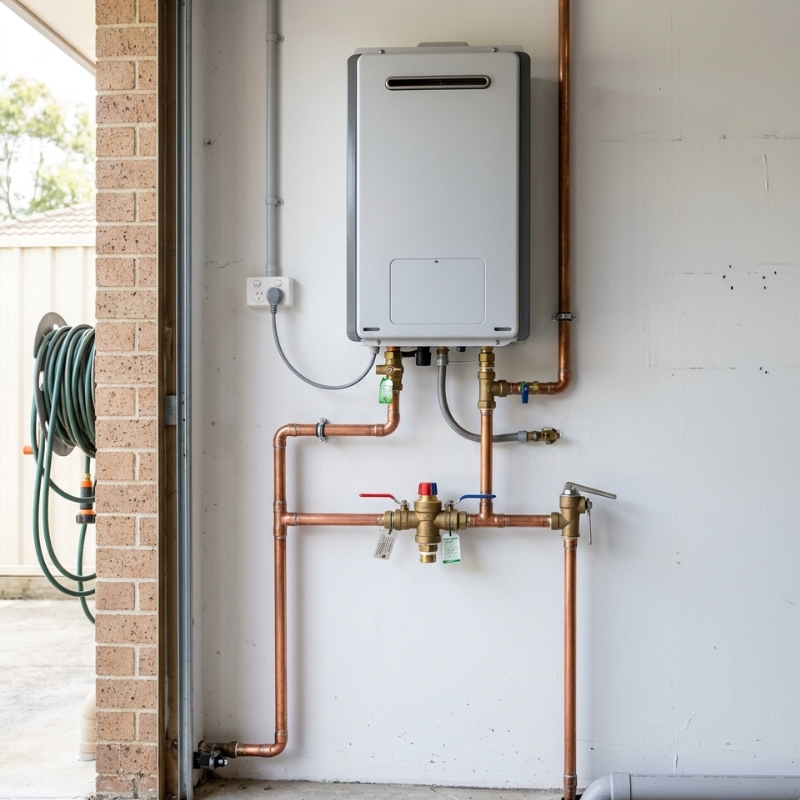
Choosing the right hot water system size sounds simple until you’re the one standing under a lukewarm shower on a July morning while someone else starts the dishwasher.
In Sydney, sizing mistakes usually happen for one reason: people focus on a single factor (like “family of four = X litres”) and miss the real-world variables that decide whether your system feels generous or constantly stretched. The good news is you don’t need to be an engineer to avoid the common traps.
This guide breaks down the biggest sizing mistakes Sydney households make, what they look like day-to-day, and how to sanity-check your setup before you commit to the wrong option.
The sizing basics most people miss in Sydney homes
Before we get into mistakes, it helps to separate two ideas that get mixed up constantly:
• Storage systems (tank) are sized mainly by litres (L) and how quickly the system can reheat (recovery time).
• Continuous flow (instantaneous) systems are sized by litres per minute (L/min) at certain temperature conditions and how many fixtures can run at once.
That one difference is behind a lot of “we bought a bigger unit and nothing changed” stories.
A quick Sydney reality check: peak demand matters more than daily demand
Many households don’t use a huge amount of hot water over a full day — but they use a lot in a short window.
Think about a typical weekday morning in Sydney:
• Two showers back-to-back (or at the same time)
• Bathroom handwashing
• Kitchen sink rinse
• Dishwasher fill cycle
• Laundry starting before work or school
If your system can’t handle that peak window, it will feel “too small” even if the total daily usage is modest.
Mistake 1: Sizing by number of people only
“Family of 4” is a starting point, not a sizing rule.
Two Sydney households can both have four people and need very different capacity:
• Household A: quick showers, efficient WELS showerheads, one bathroom in use at a time
• Household B: teen showers, two bathrooms used simultaneously, spa bath on weekends, dishwasher running every night
How it shows up
• You run out of hot water unpredictably
• You’re fine on weekdays but struggle on weekends
• You’re “okay” in summer but not in winter
How to avoid it
Instead of headcount, size around your peak hour (your busiest hot water hour of the day). Write down what happens in that hour on a normal morning and a “busy” morning.
Q&A: “Why do we run out of hot water when the tank is a decent size?”
Because tank size is only half the story. The other half is:
• how hot the stored water is
• how much cold water is mixed in via the tempering valve
• how quickly the unit recovers (reheats)
• how many hot outlets are running during your peak window
Mistake 2: Ignoring simultaneous use (especially with 2+ bathrooms)
Sydney homes increasingly have two bathrooms — and that changes everything.
A system that copes with one shower at a time may struggle when you add:
• a second shower
• a kitchen tap running
• a washing machine fill cycle
This is the classic “it only fails when everyone is home” pattern.
How it shows up
• Hot water is fine until a second shower starts
• Temperature swings when a tap is turned on
• The “farthest” bathroom runs cold first
How to avoid it
Do a “simultaneous use” audit:
• How often do two showers run at once?
• Does anyone shower while the dishwasher/laundry is running?
• Do you have rain showers or high-flow fixtures?
If you’re comparing options and want a strong brand reference point for Sydney conditions, start with Rheem systems for Sydney home.
Mistake 3: Confusing tank litres with usable hot water
A 250L tank does not equal 250L of shower-ready hot water.
Why?
• Water is tempered (mixed) down to a safe delivery temperature
• The usable amount depends on storage temperature, mixing ratio, and your shower flow rate
• Heat loss and pipe runs reduce what arrives at the tap
How it shows up
• “We bought a bigger tank but still run out”
• You get one great shower, then the second is mediocre
• The hot water seems to “fade” faster than expected
How to avoid it
Think in terms of shower minutes, not tank litres.
At-home check (simple):
• Time your typical shower
• Note if you’re using a standard showerhead or a high-flow/rain head
• Multiply by how many showers happen in your busiest window
You don’t need perfection — you’re looking for whether your household behaves like:
• one-at-a-time, steady demand
or
• multi-bathroom, stacked demand
Mistake 4: Overlooking shower flow rate (the hidden multiplier)
This is one of the biggest sizing “gotchas” in Sydney, especially in renovated bathrooms.
A high-flow showerhead can double the hot water draw without you realising. Even if your tank is “big enough,” the system empties faster when flow is high.
How it shows up
• You run out faster after a bathroom renovation
• One shower drains the system more than expected
• Rain shower looks amazing… until winter
How to avoid it
Do a quick flow estimate:
• Use a bucket (or large container) and a phone timer
• Run the shower for 10 seconds and measure the amount
• Convert to L/min by multiplying by 6
If your flow is high and you have multiple bathrooms, sizing needs to reflect that.
Q&A: “Should we just buy the biggest system so we never run out?”
Not always. Oversizing can create other problems:
• higher standby heat loss (for storage tanks)
• unnecessary energy use
• higher upfront cost without real comfort benefits
• slower cycling that can feel inefficient
Better is “right sized for peak demand,” not “as big as possible.”
Mistake 5: Forgetting winter performance in Sydney
Sydney winters aren’t Canberra-cold, but they’re cold enough to matter for hot water sizing and performance.
In winter:
• incoming water is colder
• your system works harder to lift temperature
• showers often run hotter and longer
• continuous flow units can deliver lower flow at higher temperature rise
How it shows up
• “It was fine in summer, now it’s not”
• You need to crank the tap hotter than usual
• Continuous flow feels weaker during cold snaps
How to avoid it
When you assess sizing, do it for your worst-case season:
• busiest household day
• winter inlet temperatures
• peak simultaneous use
If you’re researching options across types (storage, continuous flow, heat pump), browsing a curated range like Rheem hot water options helps you compare specs without mixing up the sizing units (litres vs L/min).
Mistake 6: Treating recovery time like an afterthought
Recovery time is why two tanks of similar size can feel totally different.
A smaller tank with fast recovery can outperform a larger tank with slow recovery for some households — especially where showers are spread out.
How it shows up
• First shower is fine, second is weak even after a wait
• You “never catch up” after guests visit
• Off-peak systems feel empty at the wrong time of day
How to avoid it
Map your usage timing:
• Are your showers clustered in 60–90 minutes?
• Do you need strong hot water again in the evening?
• Are you on controlled load/off-peak where heating happens at set times?
If your system reheats when you’re not using it, even a decent size can feel wrong.
Mistake 7: Misunderstanding controlled load/off-peak timing (common in NSW)
Many Sydney homes have tariffs where the system heats during set windows. That can be cost-effective, but it changes the “feel” of sizing.
A correctly sized tank can still run out if:
• the reheat window doesn’t align with your usage
• a big draw happens outside the heating period
• the household routine changes (WFH, kids’ schedules, sport nights)
How it shows up
• Hot water is great in the morning, poor at night
• You run out after laundry + dishes + showers on the same evening
• It improves temporarily after a day when no one is home
How to avoid it
Before blaming size, check:
• your heating schedule
• whether the unit is allowed to reheat when you need it
• whether routine changes are driving the issue
If you’re unsure whether a performance issue is sizing, controls, or a safety component like a tempering valve, it’s worth reviewing NSW guidance on licensed plumbing standards and compliance expectations. Here’s a starting point: NSW plumbing standards and notes.
Mistake 8: Not considering your home’s layout (pipe runs and heat loss)
Sydney has plenty of older homes — terraces, semis, fibro cottages — where the hot water unit sits far from bathrooms.
Long pipe runs mean:
• more heat loss
• longer wait time for hot water
• more water wasted while waiting
• “it feels undersized” even when it isn’t
How it shows up
• The ensuite is slow to heat but the main bathroom is fine
• You waste a lot of water waiting for hot
• The first minute is lukewarm, then it stabilises
How to avoid it
Sizing alone won’t fix long pipe runs. You may need to think about:
• insulation on hot water lines
• smart recirculation approaches (where appropriate)
• fixture and tapware flow behaviour
This is a great example of why “bigger tank” isn’t always the solution.
Mistake 9: Focusing on purchase cost and ignoring lifetime fit
This isn’t about pushing you into an expensive system — it’s about avoiding false economy.
Two common money traps:
• undersizing to save upfront, then living with daily compromises
• oversizing “just in case,” then paying for capacity you don’t use
If you’re trying to understand the real-world variables that drive decisions, this explainer on what affects the hot water system installation cost can help you connect the dots between household needs, system type, and complexity factors — without turning sizing into guesswork.
Q&A: “What are the biggest ‘hidden’ factors that change what size we need?”
In Sydney, the big ones are:
• shower flow rate (especially in renovated bathrooms)
• simultaneous use across bathrooms and appliances
• winter inlet temperature and temperature rise needs
• tariff timing (controlled load/off-peak)
• recovery time (how quickly the system catches up)
• long pipe runs in older layouts
A simple 10-minute hot water sizing self-check (Sydney edition)
You don’t need perfect numbers — just enough clarity to avoid the common mistakes.
Step 1: Identify your peak window
Pick your busiest hour:
• weekday mornings
• weekend mornings
• weekday evenings
Step 2: Count simultaneous draws
In that hour, note what can overlap:
• showers
• dishwasher fill
• washing machine fill
• kitchen sink
Step 3: Sanity-check shower flow
If you can, estimate flow with a timer and container. If not, at least identify:
• standard shower
• rain shower / high-flow
• multiple showers at once
Step 4: Consider season and routine
Ask:
• Is winter when problems show up?
• Has your routine changed (WFH, kids’ schedules)?
• Are you on controlled load/off-peak?
Step 5: Decide what you’re actually solving
Are you trying to fix:
• running out of hot water
• inconsistent temperature
• slow delivery to taps
• poor performance during simultaneous use
• inefficiency from oversizing
Different symptoms point to different “mistakes.”
When it’s not a sizing problem
It’s easy to assume “wrong size” when the real issue is performance or safety related.
Red flags that shouldn’t be ignored:
• water that goes scalding hot then cold quickly
• relief valve discharge that’s frequent or heavy
• visible leaks or pooling water
• banging/hammering sounds that persist
• sudden pressure drops during use
These can involve controls, valves, pressure regulation, or unit condition — not simply litres or L/min.
FAQs
What happens if my hot water system is too small?
You’ll usually notice:
• hot water running out during peak times
• temperature fading across back-to-back showers
• worse performance in winter
• bigger disruption when guests stay
Can a hot water system be too big?
Yes. Oversizing can mean:
• paying more upfront for capacity you don’t use
• extra standby heat loss (storage tanks)
• less efficient operation in some households
Right-sizing is typically a better goal than maximum size.
Why do we run out of hot water even with a big tank?
Common reasons include:
• high shower flow rate
• multiple bathrooms used at once
• slow recovery time
• controlled load/off-peak timing mismatch
• long pipe runs and heat loss
• a tempering/mixing issue affecting delivered temperature
Does winter affect continuous flow performance in Sydney?
It can. Colder inlet water increases the temperature rise needed, which can reduce available flow at higher temperature settings. This is most noticeable during simultaneous use.
Is “litres” the same thing as “litres per minute”?
No. Storage tanks are measured in litres (stored volume). Continuous flow units are rated by litres per minute at specific conditions (delivery capability).
How do I know if the problem is sizing or something else?
A sizing issue usually correlates with:
• peak-demand moments
• simultaneous use
• seasonal changes
If problems happen randomly, involve sudden swings, or come with leaks/valve discharge, it may be a control, valve, pressure, or unit condition issue rather than size.