

Blog
How Do Energy-Efficient Water Tanks Cut Power Costs?

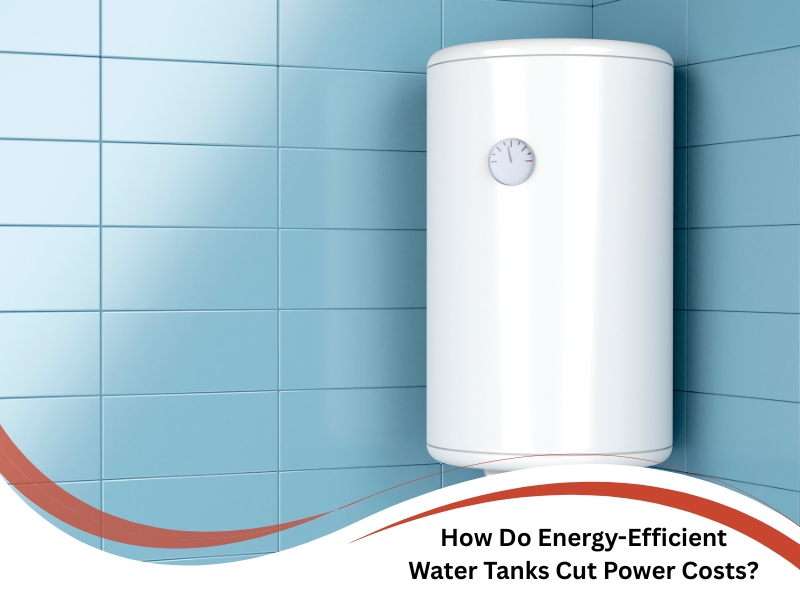
Energy-efficient water tanks reduce household power costs by using advanced technology to retain heat, minimise waste, and lower energy usage during daily operation. With power prices giving Aussies a fair dinkum headache lately, more households are turning to clever solutions that help slash bills without sacrificing comfort. One of the biggest culprits behind rising energy use is the hot water system. Older units tend to chew through electricity, making them costly to run. In contrast, newer tanks are built for efficiency and long-term savings. This article explores how switching to an energy-efficient water tank can cut your power costs without the drama.
Why do homeowners switch to energy-efficient water tanks?
Homeowners switch to energy-efficient water tanks because they’re looking for long-term cost savings and sustainable home solutions that reduce power consumption. With energy bills climbing faster than a roo in spring, plenty of Aussies are giving their old hot water units the boot. A more efficient system not only lowers ongoing costs but supports greener living, too. Here are the most common reasons people make the switch:
- Rising energy costs are forcing households to rethink how they use power, and hot water is one of the biggest contributors.
- Environmental concerns are growing, and switching to energy-efficient systems helps reduce carbon footprints without sacrificing hot water access.
- Government incentives and rebates often support the installation of efficient water tanks, making them more affordable for average homeowners.
- Advanced designs and modern insulation reduce the time tanks need to reheat, which lowers total energy consumption over the year.
For many households, it’s a no-brainer: upgrade the tank, lower the bills, and do your bit for the planet.
What problems arise from outdated hot water systems?
Outdated hot water systems contribute to higher electricity bills, inconsistent performance, and environmental damage due to inefficient heat use and energy waste. Letting an old water heater soldier on can be more trouble than it’s worth. They tend to lag behind when it comes to performance and can end up costing a motza to run. Here are the issues with old systems:
- Older tanks suffer from significant heat loss, causing them to use more electricity to maintain water temperature.
- Rust, sediment build-up, and wear inside the tank make heating less effective, leading to longer heat cycles and more energy use.
- Traditional systems often rely on outdated technologies, which weren’t designed with energy efficiency in mind.
- Poor insulation and lagging pipes cause extra heat loss, especially during colder months, adding to operational costs.
Rather than constantly troubleshooting older systems, more homeowners are looking at fixing hot water tank issues the right way — starting with modern replacements that address the root causes of waste and high costs. These limitations mean outdated hot water systems not only cost more to run but are also more prone to breakdowns, repairs, and inconsistent water temperature.
How does an energy-efficient tank actually save electricity?
Energy-efficient tanks save electricity by combining insulation, heat retention technology, and smarter usage cycles that minimise wasted power during heating. Modern systems are built to be as efficient as possible — they keep your water hot without burning a hole in your pocket. Here are the technologies that make it possible:
- High-density foam insulation around the tank reduces heat loss, meaning less frequent reheating is required.
- Heat pump systems draw warmth from the surrounding air, reducing electricity usage by up to 60% compared to traditional systems.
- Timers and smart controllers allow users to heat water during off-peak periods, saving on electricity rates.
- Energy ratings clearly reflect performance, helping homeowners select systems with proven low energy consumption.
One major option for energy-conscious homes is energy-saving water heaters for homes. These models use technology like evacuated tubes or compressors to reduce energy use, resulting in consistent performance with lower running costs.
Which types of energy-efficient water systems work best in Sydney?
In Sydney’s temperate climate, solar water heaters, heat pumps, and hybrid models are the best-performing energy-efficient water systems due to their ability to harness ambient conditions and minimise electricity use. Sydney’s weather is perfect for getting the most out of energy-efficient systems. Whether you’re in the ‘burbs or beachside, there’s a system that fits the bill. Here are the top system types for Sydney homes:
- Solar water heaters are ideal for Sydney’s sunny climate, using roof panels to pre-heat water, significantly reducing grid power use.
- Heat pump systems work well even in mild weather, using ambient air temperature to efficiently heat water without direct solar access.
- Hybrid models combine solar and electric or gas backup, ensuring a reliable hot water supply even during cloudy periods.
- Instantaneous systems with high efficiency ratings offer space-saving benefits, ideal for smaller urban homes and apartments.
For anyone weighing up options, it’s worth considering why you should compare hot water systems before buying. The differences in design, function, and efficiency can significantly impact both upfront cost and long-term savings.
Comparison of Common Energy-Efficient Water Systems in Sydney
|
System Type |
Energy Source |
Best Use Case |
|
Solar |
Sunlight |
Homes with roof space |
|
Heat pump |
Ambient air |
Homes with limited sun exposure |
|
Hybrid (Solar + Backup) |
Sunlight + Gas/Electric |
Households needing reliability |
|
Instantaneous |
Gas or Electric |
Compact urban homes |
How to maintain your energy-efficient water tank for long-term savings
Maintaining your energy-efficient water tank is essential to preserve performance, extend its lifespan, and keep energy savings consistent over the years. If you want your hot water unit to go the distance, a bit of TLC goes a long way. A little effort up front can save you big bucks down the line. Here are the best ways to maintain your system:
- Schedule annual professional inspections to identify minor issues early, especially pressure relief valves and anode rods.
- Flush the tank periodically to remove sediment, which helps maintain heating efficiency and avoid blockages.
- Monitor insulation around pipes and the tank itself, and replace any worn lagging materials promptly.
- Install a timer or controller to regulate when water is heated, reducing unnecessary usage during low-demand periods.
Regular maintenance keeps tanks operating at peak efficiency and reduces the risk of sudden breakdowns. This is especially critical for homes using high-efficiency or heat pump models. Another option for Sydney households is investing in eco-friendly hot water systems, which not only reduce emissions but also align with Australia’s broader energy goals.
Final thoughts on switching to an energy-efficient hot water tank
Switching to an energy-efficient hot water tank leads to lower power bills, better environmental outcomes, and more reliable household hot water over time. You don’t have to sacrifice performance for savings—today’s tanks are smarter, more adaptable, and built for the modern Aussie household. If you’re ready to explore a tailored upgrade for your home, you can always seek expert advice from Sydney Hot Water Systems.