

Blog
What Should You Consider Before Installing A Gas Hot Water System?

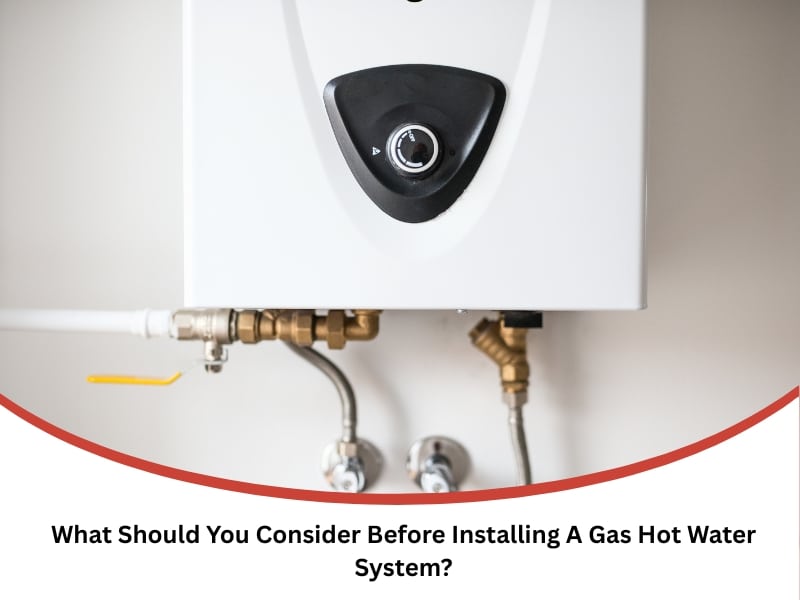
Gas hot water systems are a reliable option in many Australian homes. They heat quickly, save energy, and over time can reduce your utility bills. But picking a system isn’t just about the price tag or brand. You’ve got to think about safety, the correct size, installation quality, and what happens after it’s set up. This article explores what you need to know before installing gas hot water system, so you avoid common mistakes and end up with a system that works well for years.
Why do many homes struggle with gas hot water installations?
Homes in Sydney struggle with installing a gas hot water system because they often overlook NSW‑specific technical, legal, or site constraints right from the start. Here are the most common stumbling blocks:
- Poor ventilation, flue clearance, or exhaust terminals lead to inspection failures under NSW gas standards.
- Gas supply mismatches: pipe sizing, pressure, or natural gas vs LPG issues.
- Use of unlicensed or under-qualified installers—illegal in NSW.
- Delays from missing compliance certificates or failure to lodge certificates through NSW systems after work completion.
Knowing and complying with NSW‑specific technical standards, gas supply capacity, licensing, and compliance paperwork in advance will prevent many installation issues, reduce risk, and ensure smoother approval from authorities.
How can poor planning affect the installation of a gas hot water system?
If you don’t plan ahead, real‑world complications almost always show up. These are what people often miss when preparing the install:
- All gasfitting work in NSW must be done by a licensed gasfitter under the Gas & Electricity (Consumer Safety) Act 2017. Cutting corners risks rejected work or fines.
- Ignoring NSW building codes and MEPS rules requiring star ratings, safety features, and WaterMark certification.
- Poor site choice: not allowing clearance, flue direction, access, or secure supports.
- Failing to check development-control or council rules needing permits or placement changes.
Comprehensive planning that covers licensing, site constraints, energy standards, and local council rules is essential in Sydney. It prevents costly changes, non‑compliance, or having to move or reinstall components.
Planning also means considering system performance in the long run. If you’re unsure about load management, it’s smart to understand how to choose the right size hot water system to avoid mismatches between usage and output.
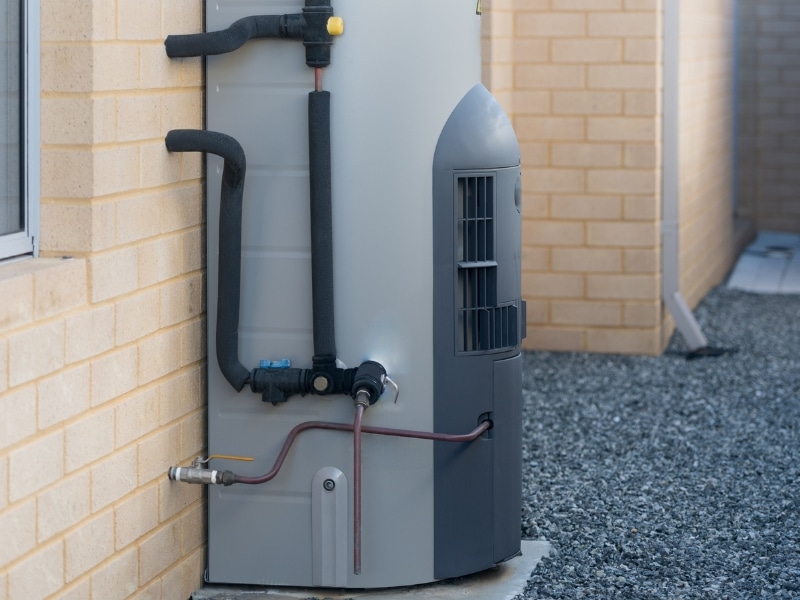
Could skipping permits delay installing a gas hot water system?
Obtaining all required permits in NSW is a must when installing gas hot water system in Sydney, and skipping them almost always causes delays and legal risks. Here are that can go wrong when permits are ignored:
- Local councils or NSW Fair Trading may reject compliance or occupation certificates if permits for gas works aren’t properly lodged.
- Without licensed gasfitter work and certificates, installations may fail inspections or operator testing.
- Legal fines or remedial orders can force rework, adding cost and delays.
- Insurance claims may be denied if damage arises from unpermitted or uncertified installations.
Ensuring all permits, approvals, and appropriate licences are in place before work begins is not just a legal box‑tick in Sydney—it’s essential to avoid long delays, legal trouble, and costly remedial work.
Which safety steps are vital when installing gas hot water system?
You must adhere to strict safety requirements when installing gas hot water system in Sydney to protect occupants and satisfy NSW regulations. Here are the essential safety steps:
- Confirm that the installer holds a current gasfitting licence issued by NSW authorities, is registered to perform gas installation works, and is insured for the work undertaken.
- Ensure all flue terminals, vents and exhausts are correctly placed, sealed, and directed according to NSW gas standards advisory notes, to prevent back‑drafts or gas leaks.
- Install appropriate safety devices: pressure relief valves, temperature control (tempering valves if required), leak detection, and ensure the gas system is pressure tested.
These safety steps are more than suggestions—they align with NSW legal obligations. Skipping any exposure puts people at risk, may violate consumer safety laws, and jeopardises the trustworthiness of your system.
How do professionals simplify installation process?
Professionals familiar with installing gas hot water systems in Sydney can navigate regulations, site constraints, and inspection steps. Their involvement makes things easier by:
- Advising on the correct size, model, and efficiency rating of your gas hot water system to match usage needs and NSW energy standards.
- Handling permits, council approvals, licensing checks, and compliance documentation submission.
- Managing safety compliance: flue placement, gas pipe sizing, venting, temperature control, and testing to NSW standards.
- Coordinating installation schedule, inspections, compliance checks, and handover for a smooth process with fewer costly corrections.
Using professionals who understand both system specs and NSW regulations turns what might be a complex, risk‑filled journey into one that’s compliant, safer, and more predictable in cost and timeline. By working with qualified installers, you’re far more likely to discover reliable solutions for installing a gas hot water system safely — from system selection to final compliance sign-off.
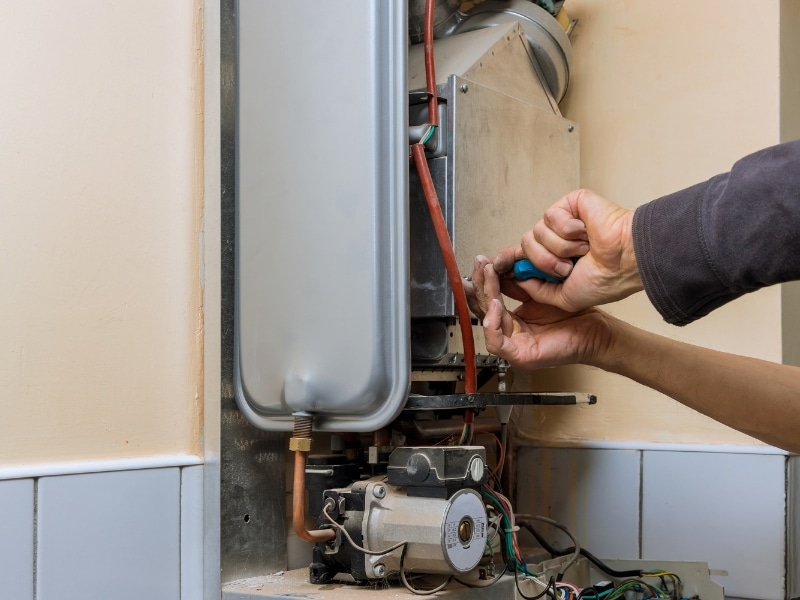
What maintenance keeps a gas hot water system efficient?
Proper maintenance keeps your gas hot water system operating smoothly, using less energy, and lasting longer. Without it, even the best systems can fail early or run inefficiently. Here are the maintenance tasks that matter most:
- Flush or purge the system annually to clear sediment that reduces efficiency and strains parts.
- Inspect and replace anode rods and pressure relief valves before corrosion or failure causes leaks or rust.
- Check burner, flue, and exhaust for blockages, wear, or soot to maintain safe combustion.
- Test temperature settings and monitor for irregular heating or gas odours to detect faults early and sustain performance.
Maintaining a clean, rust-free system is essential for extending your unit’s life. If you’re unsure where to begin, start with proven ways to prevent a hot water heater from rust damage — a critical part of any long-term maintenance strategy. Here’s a quick comparison of common maintenance actions and what happens if you skip them:
| Maintenance Action | Why It Matters | What Happens If it is skipped |
| Flushing the system yearly | Removes sediment that reduces efficiency and damages components | Lower hot water output, higher energy bills |
| Checking anode rods and valves | Prevents corrosion, leaks, and pressure faults | Rust damage, early tank failure |
| Inspecting the burner and flue | Ensures safe operation and clean combustion | Safety risks, reduced efficiency |
| Verifying thermostat and settings | Maintains steady temperature and detects faults early | Water too hot/cold, scalding or energy waste |
Consistent maintenance isn’t optional if you want long‑term reliability. A quick yearly check can save you thousands in repairs or replacement costs while keeping your system running efficiently and safely.
Final thoughts on preparing for a smooth installation process
A well‑prepared installation in Sydney depends on aligning design, technical safety, legal compliance, and ongoing maintenance. Address site constraints, gas supply, and ventilation early. Have all approvals and licensed tradespeople in place. Maintain the system properly so it operates efficiently and safely. If you’re planning an upgrade or new system, it’s worth taking a moment to explore how Sydney Hot Water Systems can assist with hot water needs — especially when you want the job done right, the first time.