

Blog
How Does Maintenance Cut Your Hot Water Repair Cost?


Ever wondered why some households never face emergency water heater issues while others foot massive bills? If you’ve been hit with a steep hot water repair cost, you’re not alone — and it likely wasn’t just bad luck. Minor problems ignored for too long often lead to costly fixes that catch you off guard. But here’s the good news: smart maintenance habits can keep that cost from blowing out. This article explains how timely care helps dodge expensive repairs, avoid risky breakdowns, and keep your hot water system humming longer.
What common problems drive up your hot water repair cost?
When things go wrong, they tend to go wrong fast. Most cost spikes stem from overlooked problems that spiral. Common culprits include:
- Anode rod corrosion: A worn anode rod allows rust to form inside your tank, often leading to full tank replacement.
- Sediment buildup: Minerals in Sydney’s water supply settle in the bottom of storage tanks, causing overheating and system inefficiency.
- Faulty thermostats: These cause either cold showers or dangerously high temperatures, both of which need urgent fixes.
- Pressure relief valve leaks: This valve protects against dangerous pressure buildup. A leak can mean it’s not working right, risking total failure.
- Heating element burnout: Often due to scale buildup, this causes electric units to fail mid-shower, often requiring part replacement.
Stay sharp — regular maintenance finds these early and slashes the total repair cost.
Why do hot water repair cost vary between different systems?
Not all systems break the same or cost the same to fix. Repair pricing swings based on what you’ve got installed. Here’s how:
- Electric systems: They’re easier and faster to service, with widely available parts and fewer risk factors.
- Gas systems: More components and gas safety checks increase labour time and require specialist know-how.
- Solar and heat pumps: High-efficiency systems come with higher‑end parts and more complex electronics, raising technician rates.
- System age: Newer systems with valid warranties can get parts replaced free. Older ones? You’ll cover it all out of pocket.
Well-maintained systems also avoid risks like scalding or system overheating. That’s why a significant part of long-term maintenance involves preventing burns and scalds from hot water systems, particularly in households with children or the elderly.
Regular servicing ensures safety settings are functional and valves stay within legal temperature limits. If you’ve skipped regular servicing, you’re likely to pay more. Keeping systems clean and calibrated flattens costs and extends lifespan.
When should you replace instead of repair to control hot water repair costs?
Sometimes, keeping a failing system alive costs more than starting fresh. But how do you know when it’s time? Keep these in mind:
- 10+ years old: Older units begin corroding from the inside out, even with upkeep.
- Frequent breakdowns: If you’re calling a technician more than twice a year, you’re better off with a new system.
- High monthly bills: Outdated systems consume more energy to perform the same tasks, resulting in higher costs over time.
- Rusty water or smells: Internal tank damage can contaminate your hot water, which isn’t something you want to fix repeatedly.
Replacing may sound costly, but it caps your repair spending and brings long-term savings.
How can professional installation help avoid future hot water repair costs?
Installation isn’t just plug and play — and mistakes here often set up costly problems later. Skilled setup delivers better performance and lower future costs.
- Correct sizing: A unit that’s too small or large will wear out faster and perform worse.
- Secure plumbing: Proper pipe fitting prevents leaks and avoids water pressure damage over time.
- Safety compliance: Licensed installers ensure temperature valves and vents meet safety standards and local codes.
- Power connections: Electrical issues from amateur setups risk short circuits or heating faults down the line.
This is also where reliable hot water repair solutions for homeowners begin — by preventing major issues with the proper setup from the start.
What hidden factors can unexpectedly increase your hot water repair cost?
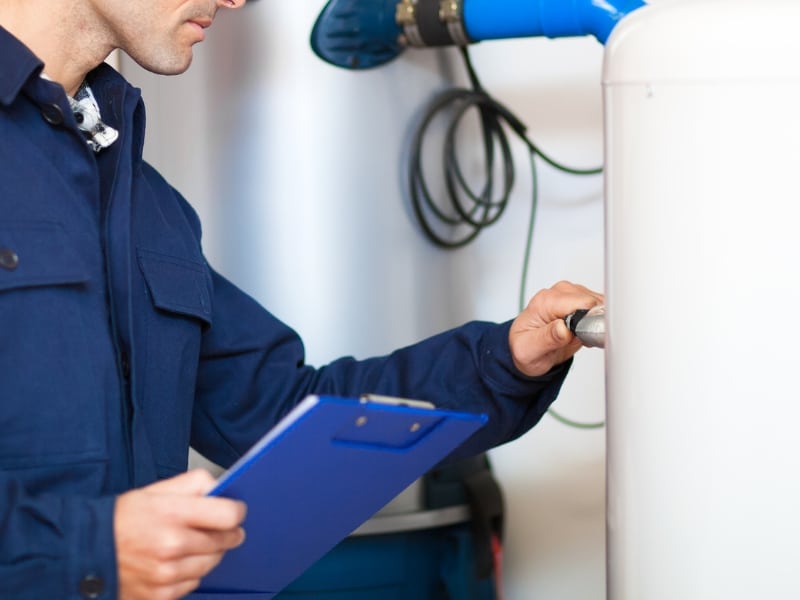
Even well-maintained systems can surprise you. Certain sneaky factors bump up repair bills without warning:
- Water quality: Hard water causes scale, and even water that “looks fine” can hide mineral imbalances that damage tanks.
- Location of the system: Units in tight or roof areas cost more to access and service.
- External weather conditions: Harsh exposure can crack valves, while frost can burst pipes if insulation is poor.
- Incorrect DIY fixes: Many DIY efforts cause more harm than good — especially when ignoring the risks of repairing hot water issues right away.
These factors don’t show up until trouble hits. That’s why consistent inspections are worth every cent.
Which types of hot water repairs are most common in Sydney homes?
Sydney homes often experience the same recurring faults, which are often due to climate, water type, or everyday usage habits. Regular attention can catch these early:
- Element replacement: Hard water scaling fries the heating element, reducing output and increasing bills.
- Thermocouple failure: Gas units stop heating when this small sensor goes out — and it’s one of the most frequent gas repairs.
- Valve failure: Pressure relief valves wear out from age or overuse, causing dripping or full-on leaks.
- Internal corrosion: Tanks that miss yearly servicing often show rust that leads to tank rupture.
- Incorrect water pressure: High pressure from supply mains can wear fittings and joints, causing burst seals.
|
Repair Type |
Common Cause |
Prevention Tip |
|
Heating element failure |
Scale buildup |
Annual tank flushing |
|
Valve leaks |
Age and pressure imbalance |
Test valve function every 6 months |
|
Rust inside the tank |
Anode rod deterioration |
Replace the rod every 3–5 years |
|
Pilot light issues |
Dirty or damaged components |
Clean and test the gas line yearly |
|
Seal wear and tear |
High water pressure |
Use a pressure‑limiting valve at the inlet |
Avoiding common repair mistakes that raise hot water repair costs means tracking these early and acting before failure sets in.
Final thoughts
Smart maintenance doesn’t just save money — it saves stress, time, and the mess of a cold shower on a winter morning. Regular inspections and proper care are the difference between occasional small repairs and ongoing major ones. For anyone weighing repair costs or considering upgrades, ask Sydney Hot Water Systems about your repair options today.