

Blog
Hot Water Not Heating Properly in Sydney Homes: Likely Causes and Early Warning Signs

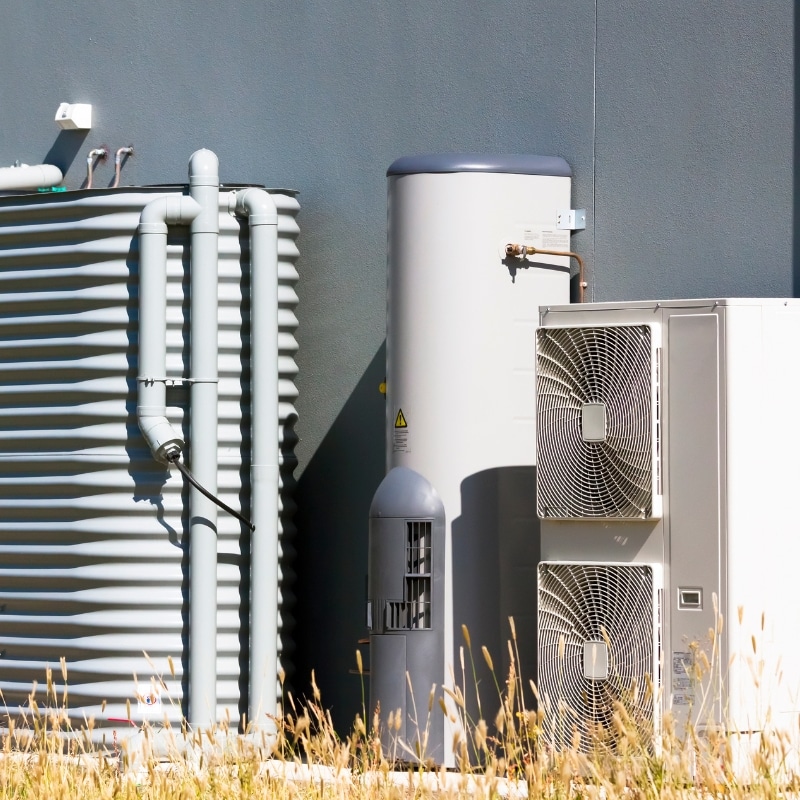
When your hot water isn’t getting properly hot, it’s rarely a sudden, unexplained event, and many hot water repair issues in Sydney homes start subtly — showers that never quite heat up, water that goes cold too quickly, or inconsistent temperatures between taps.
Understanding what’s behind these issues can help you spot early warning signs, reduce safety risks, and avoid being caught without hot water altogether. This guide breaks down the most common reasons hot water systems struggle to heat properly in Sydney conditions, what symptoms to watch for, and when the problem usually moves beyond simple checks.
What “Not Heating Properly” Really Means
Hot water problems don’t always mean there’s no hot water at all. In Sydney households, heating issues usually fall into one of these categories:
• Water is warm but never truly hot
• Hot water runs out much faster than it used to
• Temperature fluctuates during use
• One tap is hot, another is only lukewarm
• Hot water takes far longer to heat than normal
Each of these symptoms points to different underlying causes — and many develop gradually before a complete breakdown occurs. Addressing early symptoms often reduces the likelihood of needing urgent hot water repairs in Sydney later.
Common Causes of Hot Water Heating Issues in Sydney
Thermostat Problems (Electric Systems)
Electric hot water systems rely on thermostats to regulate temperature. When a thermostat begins to fail, the system may heat water inconsistently or not reach the correct temperature at all.
Early warning signs include:
• Lukewarm water even after long heating cycles
• Temperature changing from day to day
• Water that cools faster than normal
Sydney homes with older electric systems are particularly prone to thermostat wear, especially in areas with ageing infrastructure, where hot water repair in Sydney homes is commonly triggered by gradual component failure.
Faulty Heating Elements
Most electric systems use one or two heating elements. If one element fails, the system may still produce hot water — just not enough of it.
Typical symptoms:
• Hot water runs out quickly
• Water heats slowly overnight
• Morning showers are warm, but evening water is cold
This is one of the most common reasons households assume their system is “working fine” until demand increases.
Gas Supply or Burner Issues (Gas Systems)
Gas hot water systems need a steady gas supply and a clean burner to heat efficiently. Problems can arise from pilot light issues, burner blockages, or gas pressure inconsistencies.
Signs to watch for:
• Water never reaches full temperature
• System works intermittently
• Noises or delayed ignition when heating starts
Gas-related issues should never be ignored, as they can present safety concerns beyond just water temperature.
Sediment Buildup Inside the Tank
Sydney’s water supply often contains minerals that settle at the bottom of hot water tanks over time. This sediment layer acts as insulation, making it harder for heat to transfer to the water.
Common indicators:
• Popping or rumbling noises during heating
• Reduced hot water capacity
• Increased energy usage without better performance
Sediment buildup is especially common in older systems and is a frequent contributor to heating inefficiency.
Tempering Valve Malfunctions
Tempering valves are designed to limit water temperature for safety, particularly in bathrooms. When these valves fail or become blocked, they can mix in too much cold water.
You might notice:
• Kitchen taps are hot, but showers are not
• Water temperature won’t increase past a certain point
• No improvement even after system reheats
In NSW, tempering valves are a compliance requirement, so issues should be handled carefully.
Early Warning Signs You Shouldn’t Ignore
Heating problems often give clear signals before complete failure. Recognising these early can prevent a sudden loss of hot water.
Water Going Cold Too Quickly
If your hot water lasts only a few minutes, it often indicates:
• A failed heating element
• Heavy sediment buildup
• A tank that can no longer retain heat efficiently
Inconsistent Temperatures Between Uses
Fluctuating water temperature usually points to:
• Thermostat calibration issues
• Gas burner inefficiencies
• Valve-related mixing problems
Slow Recovery Time
Recovery time is how long your system takes to reheat after use. Longer recovery often means:
• Heating components are struggling
• System capacity is no longer meeting household demand
Unusual Noises During Heating
Noises aren’t just annoying — they’re often diagnostic clues:
• Banging or popping suggests sediment
• Hissing can indicate pressure issues
• Clicking in gas systems may signal ignition problems
Electric vs Gas: How Heating Issues Differ
Electric Hot Water Systems
Electric systems tend to show a gradual decline. Temperature issues often worsen slowly, making early signs easy to overlook.
More likely problems include:
• Thermostat drift
• Partial element failure
• Increased energy use with poorer heating
Gas Hot Water Systems
Gas systems usually show clearer symptoms when something goes wrong.
Common gas-specific issues:
• Pilot light going out
• Burner blockages
• Gas pressure inconsistencies
Because gas systems involve combustion, heating issues should always be treated with extra caution.
Is Lukewarm Hot Water a Safety Risk?
Many people assume lukewarm water is merely inconvenient, but it can present risks.
Potential concerns include:
• Bacteria grow if the water doesn’t reach safe temperatures
• Inconsistent tempering increases scalding risk
• System strain leading to sudden failure
Australian consumer safety authorities highlight the importance of correct temperature regulation for both hygiene and safety, particularly in homes with children or elderly residents. Guidance from NSW Fair Trading reinforces the need for compliant temperature control and licensed work when safety components are involved.
Simple Checks Homeowners Can Do Safely
Before assuming the worst, there are a few safe observations you can make:
• Check whether all taps are affected or just one area
• Note how long hot water lasts compared to before
• Listen for new or unusual noises
• Observe whether the issue is constant or intermittent
Avoid opening panels, adjusting valves, or interfering with gas or electrical components, as these require licensed handling under NSW regulations.
When Heating Issues Usually Need Professional Attention
Some warning signs indicate the issue has moved beyond monitoring:
• Hot water never reaches a usable temperature
• Water temperature changes suddenly mid-use
• Hot water runs out within minutes consistently
• System shows visible leaks or corrosion
• Gas systems fail to ignite reliably
Where safety, compliance, or component failure is involved, a professional hot water repair solution ensures the system is assessed and addressed correctly under NSW requirements.
Frequently Asked Questions
Why is my hot water warm but not hot?
This is commonly caused by thermostat issues, tempering valve problems, or sediment buildup limiting heat transfer.
Can sediment really stop my system from heating properly?
Yes. Sediment acts as a barrier between the heat source and the water, reducing efficiency and capacity over time.
Is it normal for hot water to run out faster in winter?
In Sydney, colder inlet water during winter can reduce effective hot water volume, especially if the system is already under strain.
Should I turn up the thermostat to fix lukewarm water?
Adjusting thermostats without proper knowledge can create scalding or safety risks and may breach NSW compliance rules.
How do I know if it’s time to stop troubleshooting?
If temperature issues are consistent, worsening, or affecting multiple fixtures, professional assessment is usually required.