

Blog
Heat Pump Hot Water Rebates in NSW: What Sydney Households Can Claim and How the Upgrade Works

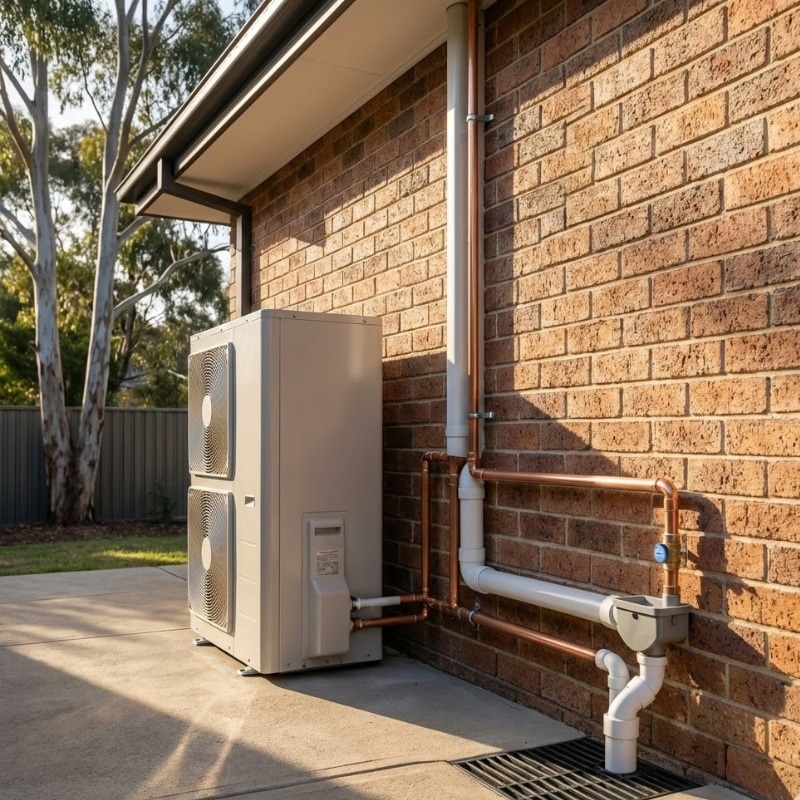
If you’ve been thinking about switching to a heat pump hot water system in Sydney, you’ve probably heard words like “rebate”, “discount”, “ESS”, “certificates”, and “approved installers” thrown around — often with wildly different numbers attached.
Here’s the simple truth for NSW in 2026:
- Most Sydney households don’t get a single, fixed “rebate amount” deposited into their bank account
• Instead, the most common pathway is an upfront discount applied through an approved program and installer network
• The discount depends on your existing system, the heat pump you install, and the installation complexity (and it can change over time)
This guide explains, in plain Australian English, what’s available in NSW, what Sydney households can typically qualify for, and the exact upgrade steps — so you can avoid the common traps and get a heat pump installed properly the first time.
You’ll also find practical Sydney-specific tips (space, noise, drainage, strata, switchboard capacity) that are often missing from rebate explainers.
“Rebate” vs “Discount” in NSW: What You’re Actually Getting
A lot of NSW heat pump marketing uses “rebate” as shorthand. But NSW’s main government-backed pathway is commonly described as a discount that lowers the upfront cost when you upgrade through the scheme.
That matters because it changes how you should plan:
- You don’t usually install first and claim later
• You generally follow an approved process so the discount can be applied at the right time
• The paperwork (including forms you sign) is part of how the discount is created and validated
What NSW Programs Can Help With Heat Pump Hot Water in Sydney?
In NSW, the most referenced support for heat pump hot water upgrades is linked to the NSW Government’s household energy saving upgrades approach, which includes a specific “upgrade your hot water system” pathway for efficient solar or heat pump systems.
1) NSW Government “Upgrade your hot water system” discount pathway
The NSW Government explains that households and businesses can access discounts to lower the cost of switching to an energy-efficient solar or heat pump hot water system.
That same program environment is connected to the Energy Savings Scheme (ESS) and approved suppliers/installers.
2) Federal support that may apply (often alongside NSW)
Some households may also see additional benefits linked to federal certificate-style incentives for eligible heat pump systems. Solar Choice notes two “government rebates” are commonly discussed in NSW: federal STCs and the NSW ESS.
Important: the exact value and availability can vary by product eligibility, timing, and installer/supplier processes — so it’s best to treat this as “potential additional support”, not a guaranteed fixed dollar figure.
Who’s Eligible in NSW? The Practical Rules Sydney Households Should Know
The IPART consumer fact sheet for NSW’s Energy Savings Scheme is very clear on core eligibility principles.
To qualify for a discount under the ESS hot water upgrade pathway in NSW, you generally need to:
- Be in NSW (Sydney households qualify)
• Replace an existing electric or gas hot water system with an approved heat pump hot water heater
• Use a licensed installer
• Ensure the old system can’t be reused, supporting “genuine energy savings”
Also worth noting:
- IPART does not set prices or the discount amount — costs vary by system and installation complexity
• You should expect quotes to spell out expected and potential extra charges (valves, site prep, electrical work, removal of old system)
How the Upgrade Works (Step-by-Step for Sydney Homes)
This is the part most people want: the actual process, in order.
Step 1: Work out what you have now (it affects eligibility and install complexity)
Before you call anyone, take 3 minutes to note:
- Current system type: electric storage, gas storage, gas instantaneous, solar with electric booster
• Capacity/size (on the compliance plate if accessible)
• Location: outside, laundry, side path, balcony (units), rooftop (solar), etc.
• Any obvious constraints: tight access, stairs, narrow corridors, strata by-laws (apartments)
This helps an installer tell you whether your upgrade is straightforward or likely to need extra electrical or plumbing work.
Step 2: Choose the right heat pump category (not just “cheapest after discount”)
Heat pumps vary by:
- Tank size (sizing affects comfort and running costs)
• Integrated vs split systems (layout and noise considerations)
• Placement needs (airflow, drainage, noise rules)
If you want to see common system types and configurations first, start here: heat pump hot water systems in Sydney
Step 3: Get quotes that separate “discount” from “out-of-pocket”
The NSW consumer fact sheet recommends getting quotes that include all expected and potential extra charges — and to shop around.
When you compare quotes in Sydney, ask each provider:
- What is the discount component and what are you paying?
• Does the quote include: removal/disposal of the old unit, valves, tempering valve work, electrical upgrades, commissioning and compliance paperwork?
• What could change the price on the day (unexpected switchboard upgrade, access issues, extra pipework)?
Step 4: Paperwork you should expect (and keep)
Under the ESS process described by IPART:
- You’ll be asked to sign a nomination form
• You’ll receive an upfront discount after the nomination form is signed and returned (keep a copy)
• After installation, you may sign a Post Implementation Declaration confirming the work met your needs
If a provider is vague about forms, can’t explain what you’re signing, or won’t give you copies, treat that as a red flag.
Step 5: Installation day in Sydney (what “good” looks like)
A proper heat pump install should include:
- Safe removal and disposal of your old system
• Correct placement for airflow and local noise considerations
• Correct valvework and temperature delivery (especially for bathrooms)
• Clear commissioning checks, plus a walkthrough of operating mode/timers
For Sydney households that want a clean, compliant install with the right setup from day one, this is the service you’re typically looking for: professional hot water installation in Sydney
Step 6: After install: audits, follow-ups, and what to do if you’re not happy
The IPART fact sheet notes:
- If issues arise, speak to the installer first
• If not resolved, contact the Accredited Certificate Provider (ACP) listed on your nomination form
• NSW Fair Trading and Building Commission NSW may also be relevant pathways, depending on the concern
You may also be contacted to confirm details of your installation, and inspectors may visit to check work quality.
Sydney-Specific “Gotchas” That Can Blow Out Your Quote
Even with an excellent discount, your out-of-pocket cost can rise if the install isn’t straightforward. In Sydney, the common culprits are:
1) Switchboard and electrical capacity
Heat pumps are efficient, but they still need appropriate electrical supply. In older Sydney homes (Inner West terraces, older units, some Northern Beaches stock), you may need:
- a dedicated circuit
• RCD protection updates
• switchboard tidy-up or upgrade
A quality quote flags this early rather than springing it on you mid-job.
2) Drainage and condensate management
Heat pumps can produce condensate. If there isn’t an obvious drainage pathway, installers may need to run additional drain lines — common in units, tight side paths, or elevated placements.
3) Noise and placement (especially in units and close-set housing)
IPART’s consumer guidance specifically calls out installers considering airflow and local noise rules when choosing location.
In Sydney, noise complaints are more likely when:
- the unit is near a bedroom window (yours or the neighbour’s)
• it’s installed on a balcony in an apartment
• it’s placed in a narrow side return that amplifies sound
4) Strata approvals for apartments
If you’re in a unit (Parramatta, Zetland, Wolli Creek, Chatswood, etc.), check strata by-laws early. Some strata committees require:
- written approval for external equipment
• approved installers
• noise considerations and placement drawings
What Can Sydney Households “Claim”? Setting Expectations Without the Hype
A lot of marketing online throws around big numbers. The most useful reality check comes from IPART:
- IPART doesn’t set the price or the discount amount
• Costs vary by system and installation complexity
So, instead of chasing a headline figure, focus on what you can control:
- Pick an appropriate system for your household size and usage
• Compare quotes that clearly show your minimum payment and any extra costs
• Choose reputable, licensed installers and keep paperwork
• Confirm warranty coverage and after-sales support
Warranty expectations you should ask about
The IPART consumer fact sheet states that from 1 December 2025, systems installed under the ESS with tanks up to 700 litres must include a 5-year warranty on the tank and heat pump.
That’s a practical question to ask every provider:
• “Is this being installed under the ESS, and what warranty applies in my situation?”
AEO: Fast Answers to the Questions Sydney People Ask Most
What rebates are available for heat pump hot water in NSW?
NSW households can access discounts through the NSW Government’s hot water upgrade pathway, linked to the Energy Savings Scheme (ESS), when replacing an existing electric or gas system with an approved heat pump installed by a licensed installer.
Some households may also see additional federal incentive benefits depending on product eligibility and supplier processes.
Is it a rebate paid to me, or an upfront discount?
The NSW pathway is commonly described as a discount that lowers the upfront cost when you upgrade through the scheme.
Do I need to replace an existing system to qualify?
Under the ESS pathway described by IPART, eligibility requires replacing an existing electric or gas hot water system with an approved heat pump, and the old system can’t be reused.
What paperwork will I sign?
You should expect a nomination form (keep a copy), and after installation you may be asked to sign a Post Implementation Declaration.
Can someone door-knock me and offer an ESS discount?
IPART’s consumer guidance states that salespeople are not allowed to knock on your door uninvited to offer discounts under the ESS.
Where do I find the official NSW info?
The best starting point is the NSW Government program page: Upgrade your hot water system.
The Sydney Upgrade Checklist (Print This Before You Call)
Use this as your pre-quote checklist:
- Confirm your current system type (electric/gas/solar)
• Check access to the unit (stairs, narrow paths, balconies)
• If you’re in a unit: check strata requirements early
• Ask quotes to break down: discount, minimum payment, and extras
• Confirm licensed installation, paperwork copies, and warranty coverage
• Choose the heat pump size based on household demand, not just price
If you want to move from “research” to action, these pages help you compare options and book the right work in Sydney:
- heat pump hot water systems in Sydney
- professional hot water installation in Sydney
- hot water system replacement in Sydney
Final Word for Sydney, NSW
Heat pump hot water rebates (more accurately, discounts) in NSW can make switching far more affordable — but the best outcome comes from doing it the right way:
• Follow the official program pathway
• Get quotes that show the real out-of-pocket cost
• Keep your nomination form and post-install documentation
• Prioritise proper placement, drainage, and electrical readiness
• Choose a reputable, licensed installer to avoid compliance headaches