

Blog
Why Your Rheem Hot Water System Runs Out of Hot Water Quickly — Causes & Fixes for Sydney Homes

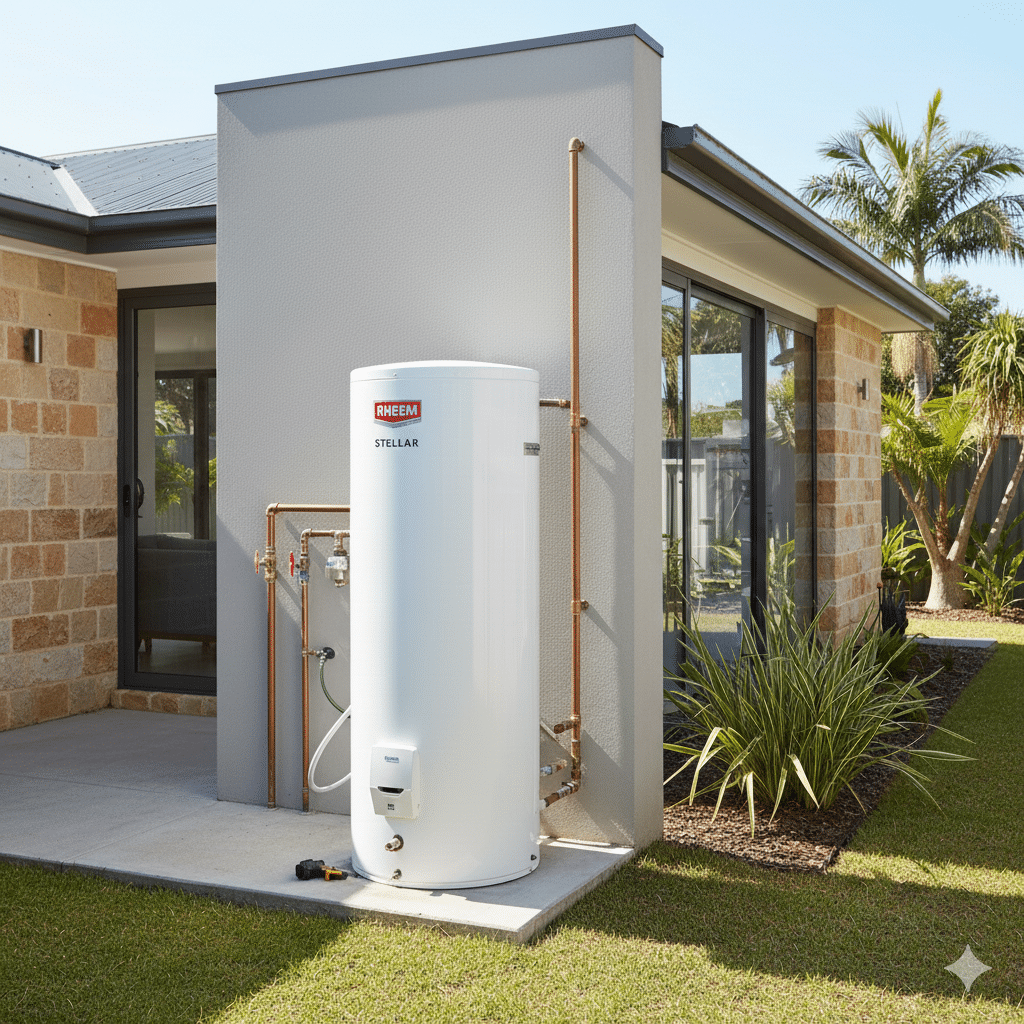
Few things are more frustrating than jumping into a warm shower only for the water to go cold halfway through. It’s a common issue many Sydney households face with their Rheem systems — and while it’s annoying, the causes are usually straightforward and fixable. This guide explains the most common reasons your Rheem hot water system may be running out too quickly, plus the practical fixes that can get you back to consistent hot water.
Incorrect Thermostat Temperature Setting
If your Rheem’s thermostat setting is too low, your system won’t heat the water to the ideal temperature, which means the hot water will run out sooner than expected.
- Thermostat set too low: Produces a smaller usable volume of hot water.
- Unintentional adjustment: Dials can be bumped without noticing.
- Age-related drift: Older thermostats may shift temperature accuracy.
- Need clarity? You can compare your system’s ideal settings with Rheem hot water systems Sydney specialists who understand the requirements of local households.
Sometimes, simply adjusting the thermostat can make a noticeable difference.
Sediment Build-Up in the Hot Water Tank
Sydney’s water hardness varies across suburbs. Over time, minerals and sediment settle at the bottom of your tank and begin affecting how your system heats water.
- Sediment creates insulation: Heating elements become less efficient.
- Reduced effective tank capacity: Less hot water is available.
- Slower reheating: Hot water takes longer to recover between uses.
- Rumbling noises: A tell-tale sign sediment is burning at the bottom.
A professional flush every 6–12 months keeps your tank delivering full performance.
The Hot Water Tank Is Too Small for Your Household
Sometimes the hot water system itself is perfectly fine — it’s your household’s demand that has outgrown it.
- Multiple simultaneous hot water uses: Shower + dishwasher + washing machine drains the tank quickly.
- Growing families: More people mean more showers and more demand.
- Multi-story or multi-bathroom homes: Higher peak usage times.
- Unsure about sizing? Many homeowners consult hot water repairs Sydney technicians to assess whether their tank needs upgrading.
When your household has outgrown the tank, running out of hot water becomes a frequent problem — even if the unit is operating correctly.
Internal Component Faults in Gas or Electric Rheem Systems
As your Rheem system ages, internal parts begin wearing out and reducing the hot water consistency.
- Burnt-out electric heating element: One of the most common failures.
- Gas burner or ignition issues: Lead to weak or inconsistent heating.
- Faulty thermostat sensor: Prevents accurate water temperature control.
- Dip tube deterioration: Cold water mixes with hot water too early.
All gas and electrical repairs must follow NSW safety laws as outlined by NSW Fair Trading – Plumbing & Drainage Regulations. Always use a licensed technician for safety and compliance.
Your Best Next Steps for Restoring Hot Water Reliability
Most Rheem systems that run out of hot water too quickly are dealing with one of these core issues: incorrect thermostat settings, sediment build-up, an undersized tank, or internal system faults. Many of these can be fixed with simple maintenance or adjustment — but recurring problems are a sign that a professional review is needed.
Sydney homeowners often find long-term reliability comes from pairing proper maintenance with the right-sized Rheem system. Whether you need troubleshooting, repairs, or are considering a system upgrade, getting expert guidance will ensure your hot water stays consistent — no more cold-shower surprises.