

Blog
Is Solar Hot Water Installation Smarter Than Gas or Electric?

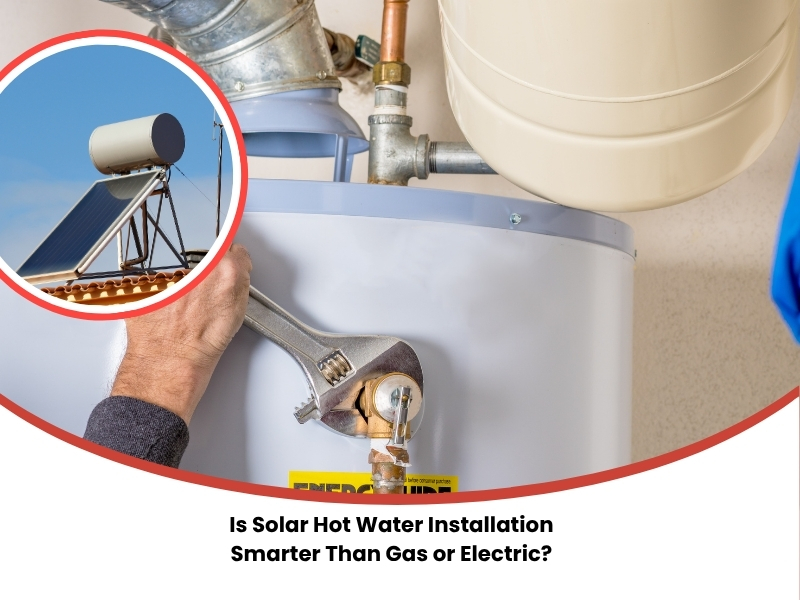
Solar hot water installation tends to outperform gas or electric systems over time thanks to lower running costs and environmental benefits. Many Sydney homeowners are wondering whether solar hot water systems truly outperform gas or electric heaters. And fair enough — the upfront cost still gives people pause. In this post, you’ll gain a clearer picture of how solar stacks up, what to expect from installation and maintenance, and whether it makes financial sense in the long run.
What factors influence the cost of solar hot water installation in Sydney?
When you start getting quotes, you’ll realise that “solar hot water installation” isn’t a one‑size‑fits‑all product. Here’s what usually drives cost up or down:
- System size and capacity: You could be quoted for a small 160 L tank, or a big 315 L version with extra tubes. Bigger systems require more material and labour.
- Roof orientation, pitch, and shade: A perfectly north-facing roof receives full sun. Shaded or west‑facing ones might need tilt frames or more panels.
- Backup heating (electric or gas boost): That extra heater kicks in when solar isn’t enough, but it adds to both purchase cost and future electricity or gas use.
- Plumbing layout and retrofits: Older homes sometimes need pipe relocations or structural work. These tricky jobs add to labour.
- Brand and quality: Rheem, Rinnai, Dux, Thermann — each brand has different material specs, warranties, and lifespan expectations.
- Licensing and installer quality: A seasoned, licensed installer costs more, but cuts down on mistakes and future fixes.
- Rebates, permits and local incentives: Eligible systems get STCs or other rebates, which lower the net cost.
- Supplementary parts and accessories: Insulation, extra piping, expansion vessels, and mounting hardware all add up.
When you compare quotes, insist on a breakdown — how much goes to the tank, the collectors, labour, and add-ons. Also, explore affordable yet reliable solar hot water heater installation options to spot good deals that still deliver quality.
Why do some households struggle with hot water system reliability?
Poor system sizing, skipped maintenance and flawed installation are the main reasons why some homes keep getting hot water issues. Even after installing a new hot water system, many run into surprises. Here are the usual suspects:
- Poorly sized systems: Underestimate your hot water demand (morning shower, dishwasher, laundry) and the system won’t keep up. Oversized systems aren’t cheap either.
- Valve or plumbing issues: Temperature or pressure relief valves can jam. Corroded piping can leak. These minor faults cause big headaches.
- Lack of backup support: During prolonged cloudy periods, solar heating falls short. If your booster is undersized or missing, you’ll run cold.
- Scale and corrosion (hard water): Minerals build up in pipes, tanks, and collectors. That reduces performance and can lead to premature failure.
- Installation errors: Maybe roof fixings weren’t strong, pipes weren’t insulated, or sensors were installed incorrectly. Those errors compound over time.
If your system seems flaky, it’s worth knowing how regular hot water maintenance reduces costly repairs — that insight often saves more than the maintenance cost itself. Keep servicing up, and your solar hot water repair bills shrink.
How does solar hot water installation help lower energy bills in Sydney?
By using sunlight to heat water, solar systems reduce reliance on electricity or gas and shrink your energy bills. Sydney gets plenty of sunshine — and a solar hot water system puts that to work for you:
- Sunlight is free fuel: The collectors absorb solar energy and convert it directly to heat, bypassing electric resistance or gas usage.
- Reduced booster use: You’ll rely less on the electric or gas heater for topping up, especially on bright days.
- Better heat retention: Modern tanks are better insulated, so water stays hot longer, needing less extra heating overnight.
- Efficiency gains: Advances in collector design (evacuated tubes, improved metals) mean more heat per sun hour.
- Less grid dependence: With lower demand on your electricity or gas supply, your overall energy usage (and bill) drops.
Here’s a sample comparison:
| System Type | Annual Cost (Estimate) | Solar Contribution | New Cost (Approx.) |
| Electric | ~$1,200 | 70–80 % | ~$240–360 |
| Gas | ~$900 | 65–75 % | ~$225–315 |
Before committing, many homeowners must review what to consider before installing a new hot water system to ensure their setup meets their needs.
What maintenance is required after a solar hot water installation?
To keep your system efficient and reliable, it needs regular checkups: cleaning, valves, flushing, and inspections. Once your system is installed, it’s not a “set it and forget it” type of thing. Here’s what to watch:
- Clean collector surfaces: A thin layer of dust, pollen or bird droppings reduces performance. Gentle cleaning every few months helps.
- Inspect and test valves: Temperature, pressure and relief valves must operate correctly to protect the system.
- Flush or descale internals: Scale buildup impedes flow and reduces system life, especially in hard water zones.
- Check tank, connections and anode rod: Look for leaks, rust, or a spent anode rod (which helps prevent corrosion).
- Inspect piping insulation and seals: Worn insulation or cracked seals let heat escape and cause inefficiencies.
If you skip maintenance, your system will degrade faster — and cost more in solar hot water repairs, or lead to an early solar hot water replacement.
What is the typical lifespan of a solar hot water installation?
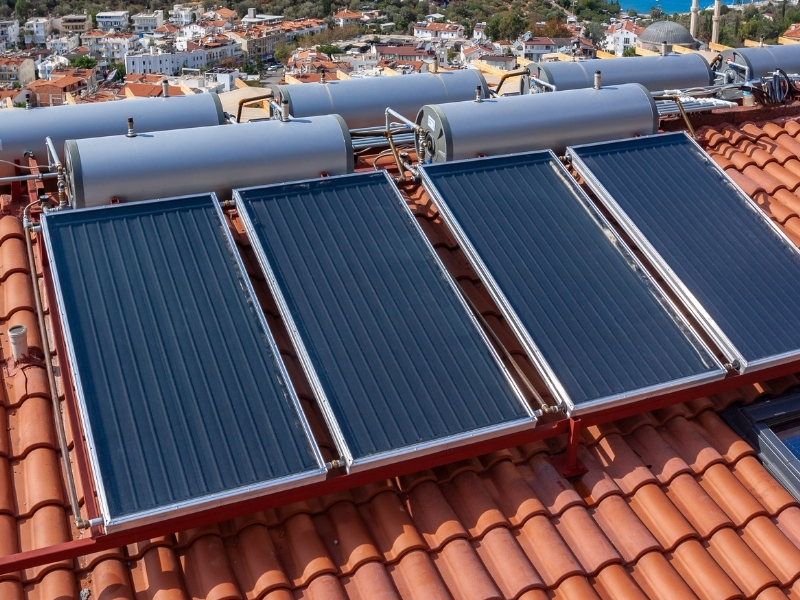
With proper maintenance, a well-designed solar hot water system should last 15 to 25 years. Here’s what contributes to longevity:
- Collectors: 15–25 years, depending on brand and maintenance.
- Storage tanks: 10–20 years, influenced by water quality, corrosion protection, and usage.
- Pumps and electronics: 8–15 years, typically, depending on exposure and care.
- Boosting elements (electric/gas): Usually replaced within 8–15 years.
- Valves and seals: May require replacement every 5–10 years based on stress and water conditions.
Sydney’s climate helps — fewer freezing issues mean less stress on components. Still, brands like Rheem, Rinnai, Dux, and Thermann differ in durability. Also, discuss installation & replacement plans, as well as extended warranties, with your installer.
Are there rebates or incentives available for solar hot water installation?
Yes — homeowners may access STCs, state rebates or council grants that reduce upfront costs for solar hot water systems. In Australia, renewable systems often benefit from financial support: You may qualify for:
- STCs (Small-Scale Technology Certificates) that offset costs based on system size and climate zone.
- NSW or regional rebates, depending on your location and local programs.
- Local council environmental grants for green upgrades.
- Lower GST or tax adjustments where systems are bundled under eligible renewable categories.
Always confirm your eligibility before you sign. For current, official info, see details on government incentives for solar water heaters and heat pumps.
Final Thoughts
Solar hot water installation is a smart long-term move — better for the planet and your power bill. But don’t rush the process. Think about system size, your daily usage, roof space, and whether the installer has a solid rep. When you’re ready, discover how Sydney Hot Water Systems ensures high-quality hot water installations with tailored advice and expert service. You’ll feel the difference — not just in your water temperature, but in your power bills.