

Blog
Why Do Older Homes Have Recurring Hot Water System Issues?

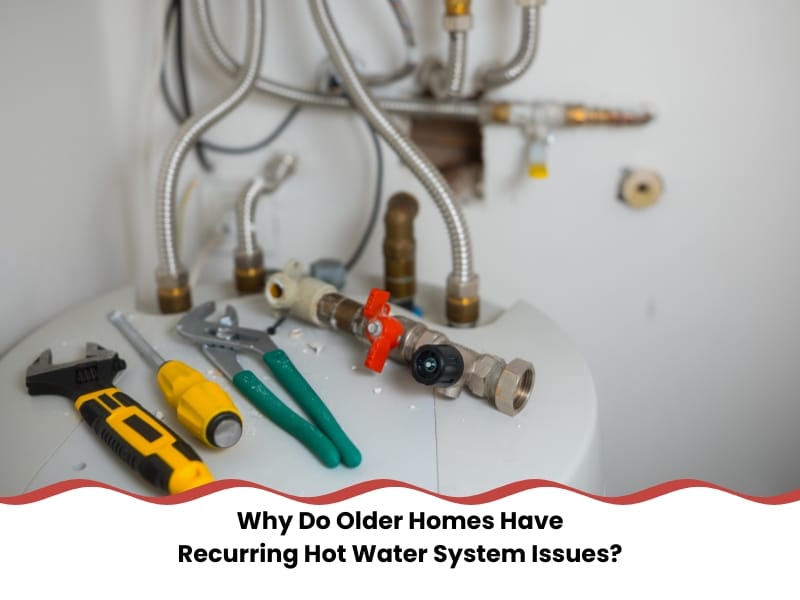
There’s no shortage of charm in Sydney’s older homes — stained glass windows, ornate ceilings, big backyards. But behind all that character, you’ll often find a hot water system that’s cracking under the pressure. These systems weren’t built for today’s water usage or our expectations for piping-hot showers on demand. If you’ve ever stood in your towel wondering why there’s no hot water again, you’re not alone. The same culprits pop up again and again — rusty tanks, dodgy valves, sediment build-up, and old units struggling to heat water efficiently. And here’s the kicker: those small issues can snowball. But one thing you don’t want is character in your plumbing, especially when it comes to hot water system issues. So, what’s really going on with older systems, and how do you fix it without gutting your bathroom?
Why does my hot water system keep running out of hot water?
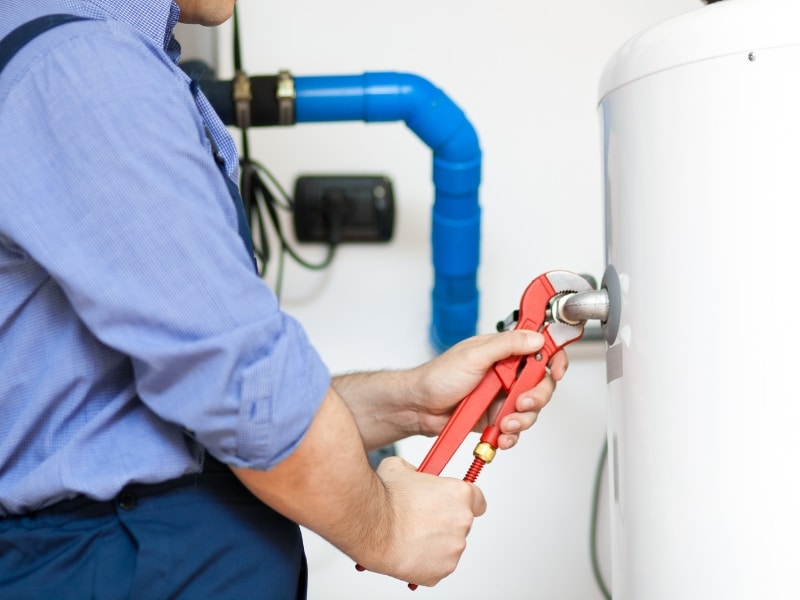
Flicking on the tap and getting little more than a lukewarm dribble mid-shower — that’s not just a bummer. It’s a sure sign your system is falling behind. And let’s be honest, most older setups just weren’t made to handle modern Aussie households juggling dishwashers, washing machines, and back-to-back showers. What’s likely causing the problem?
- Sediment build-up reduces your tank’s capacity — all that gunk settles at the bottom, eating up space and insulating the heat.
- Heating elements on the fritz, especially if your system’s been running for more than a decade.
- Undersized system — that 125-litre tank might’ve worked in 1985, but not for today’s water-hungry appliances.
- Faulty thermostats — if the temp settings are out of whack, you’ll burn through hot water faster than expected.
You don’t always need a total replacement. Sometimes the fix is as simple as a thermostat swap or a thorough flush. Consider an efficient solution for hot water system problems before tossing the whole setup. Old systems with slow heat recovery are a classic reason the hot water never lasts.
Why is my hot water system leaking from the bottom?
Notice a puddle under the tank? Don’t ignore it. That leak could be a slow drip now, but it might be a full-on flood later. Older systems — especially those with steel tanks — are prone to corrosion once the protective anode wears out. Look for these telltale signs:
- Rust patches and corrosion near the base are often hidden behind the tank or near the drain valve.
- Pressure builds up with nowhere to go, especially if your TPR valve hasn’t been serviced in years.
- Worn-out heating elements that crack and cause localised leaks.
- Poor drainage or backflow from pressure relief outlets — older pipework isn’t always up to scratch.
These sorts of hot water system issues can go unnoticed for months in older homes, until a small leak turns into a full-blown floorboard soak. Understanding the right hot water system choices for your home can help you avoid this drama in the long term. Structural damage from unnoticed leaks is all too common in heritage homes with timber floors.
What signs should you look for when hot water system valves start failing?
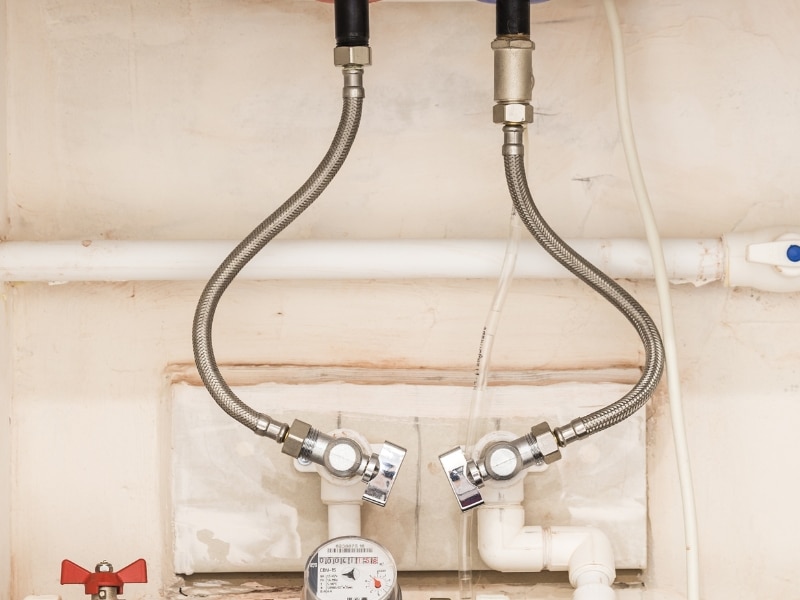
You don’t need to be a plumber to spot a dodgy valve — but you do need to pay attention. A misbehaving valve can make your whole system unpredictable. Keep an eye (and ear) out for:
- Whistling or hissing sounds, especially when the system’s heating up.
- Leaks directly from the valve, even small drips, can signal a bigger issue.
- Fluctuating pressure in your taps or showerheads.
- Sudden shutdowns or inconsistent heating cycles.
Valves wear down with time, especially if they’re rarely tested or cleaned. And once one fails, the others usually aren’t far behind. Failed valves can trigger safety switches or overheat cycles, leaving you in the cold — or worse, causing damage.
How often should you service an older hot water system to prevent problems?
Like an old Holden, your hot water system needs regular servicing to keep going strong. Most people don’t give their system a second thought until it stops working — but a bit of prevention can save you stacks. Here’s what should be done:
- Flush the tank annually, especially if your water’s full of minerals (Sydney water isn’t too bad, but sediment still builds up).
- Check and replace the sacrificial anode every 3–5 years to prevent internal rust.
- Test the temperature and pressure relief valve to ensure it’s operating safely.
- Inspect electrical or gas components for wear, especially in older units.
Recommended hot water system servicing intervals by age:
| System Age | Suggested Service Interval |
| < 5 years | Every 3–5 years |
| 5–10 years | Every 2–3 years |
| 10+ years | Yearly (or every 6 months) |
Skipping regular servicing is a sure-fire way to shorten your system’s life — and it’ll cost you more in the long run.
Can electric pump heating improve water efficiency?
You bet it can. Heat pumps are popping up all over Sydney suburbs like Marrickville and Ryde — and for good reason. Instead of generating heat, they pull it from the air, meaning you’re using way less electricity. Here’s what makes them a smart move:
- Use up to 70% less energy than standard electric systems.
- Perfect for Sydney’s climate, where ambient temperatures are suitable for heat pump operation.
- Retrofit-friendly, so you won’t need to rip out old plumbing.
- Numerous rebates are available if you meet the eligibility requirements through government schemes.
There’s a good reason so many locals are switching — and it’s not just about the bills. Learn more about why heat pumps are an efficient hot water option before deciding on your next system. Efficient heating with fewer moving parts makes heat pumps low-maintenance and high-performing.
What factors affect the cost of installing a heat pump for hot water systems?
Heat pump systems aren’t cheap to install — but they’re a long game. Initially, you’re looking at a cost of anywhere from $2,000 to $4,000, depending on your setup. But long-term? You’ll recoup the difference in lower energy bills. Key cost factors include:
- System brand and size, with high-end models offering better warranties and tech.
- How tricky the installation is, especially in older homes with tight access or legacy plumbing.
- Your suburb, since local tradie rates and permit costs can vary.
- Eligibility for rebates, like the NSW energy-saving programs for hot water system upgrades.
The upfront cost of heat pump installations is eased by rebates and long-term savings — especially if you plan to stay in your home.
Final thoughts
Don’t wait for hot water system issues to catch you off guard — especially when you’re living in a home that’s already seen a few decades. If your hot water system’s leaking, struggling to heat, or sounding like a kettle about to blow, don’t wait for the worst. There are reliable fixes available — from valve swaps to heat pump upgrades — that’ll save you money (and your shower time). When you’re ready to sort it out properly, seek guidance from Sydney Hot Water Systems. We know older systems like the back of our hand — and we’re not afraid to get our hands dirty.